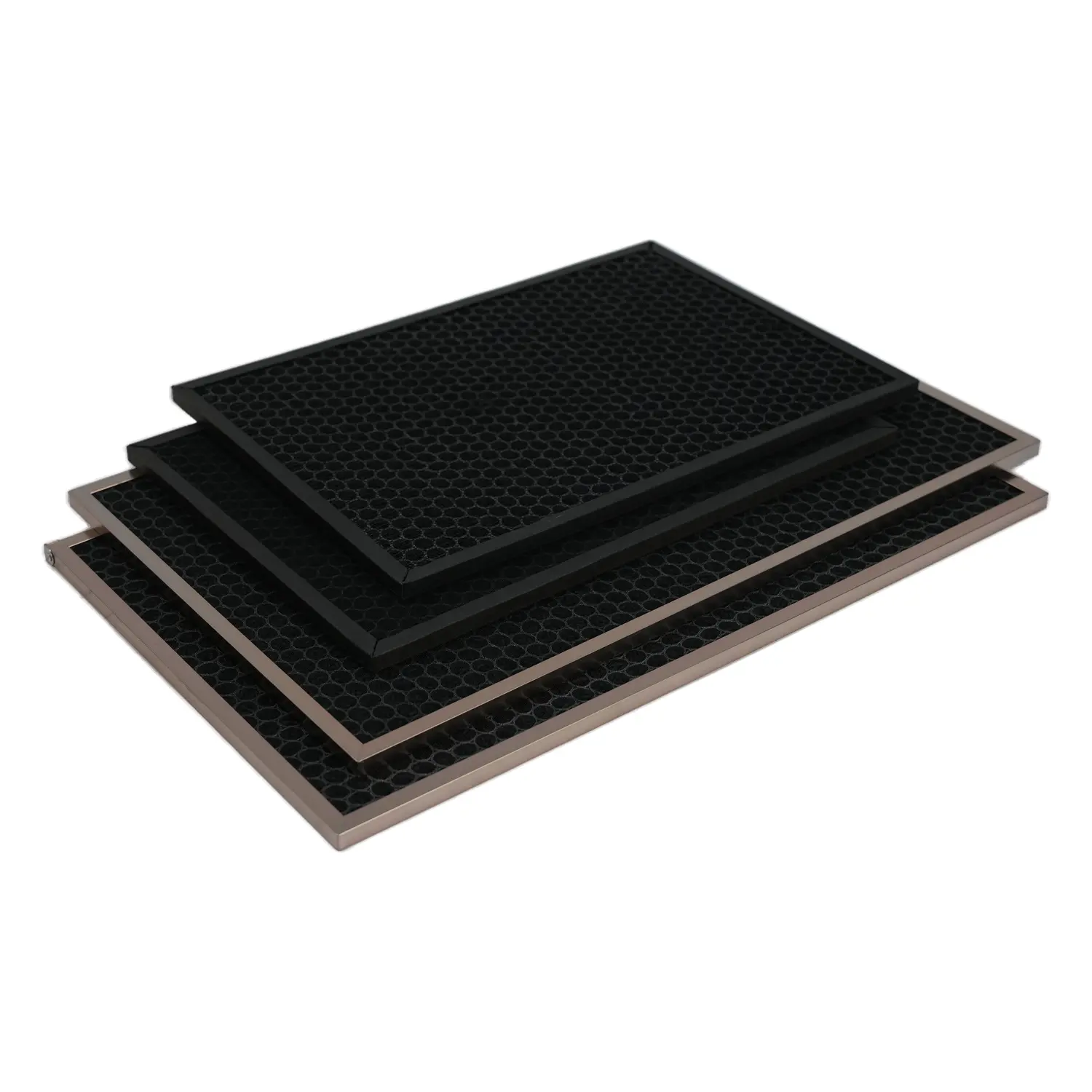
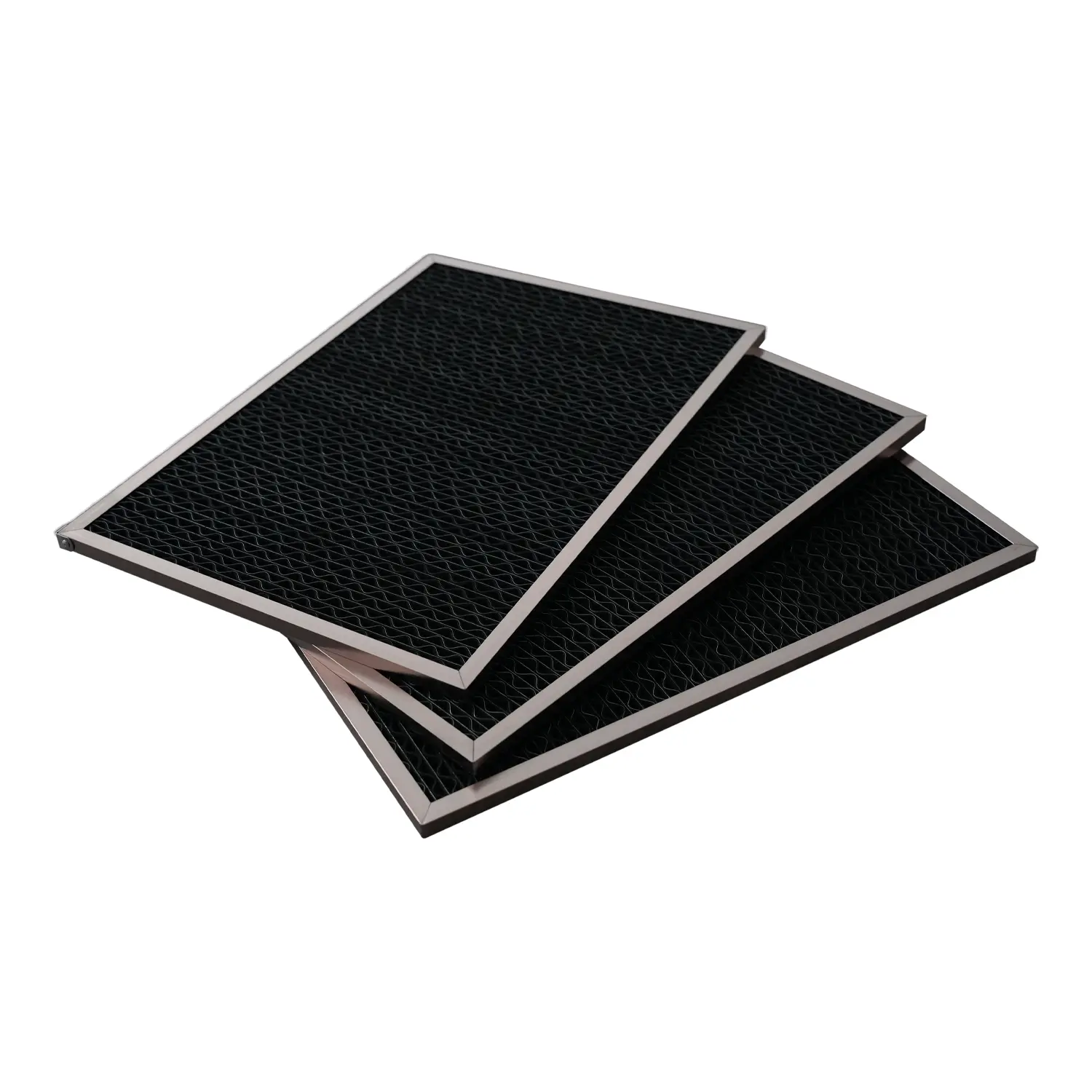
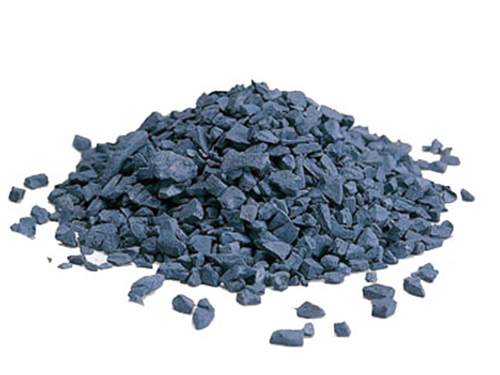
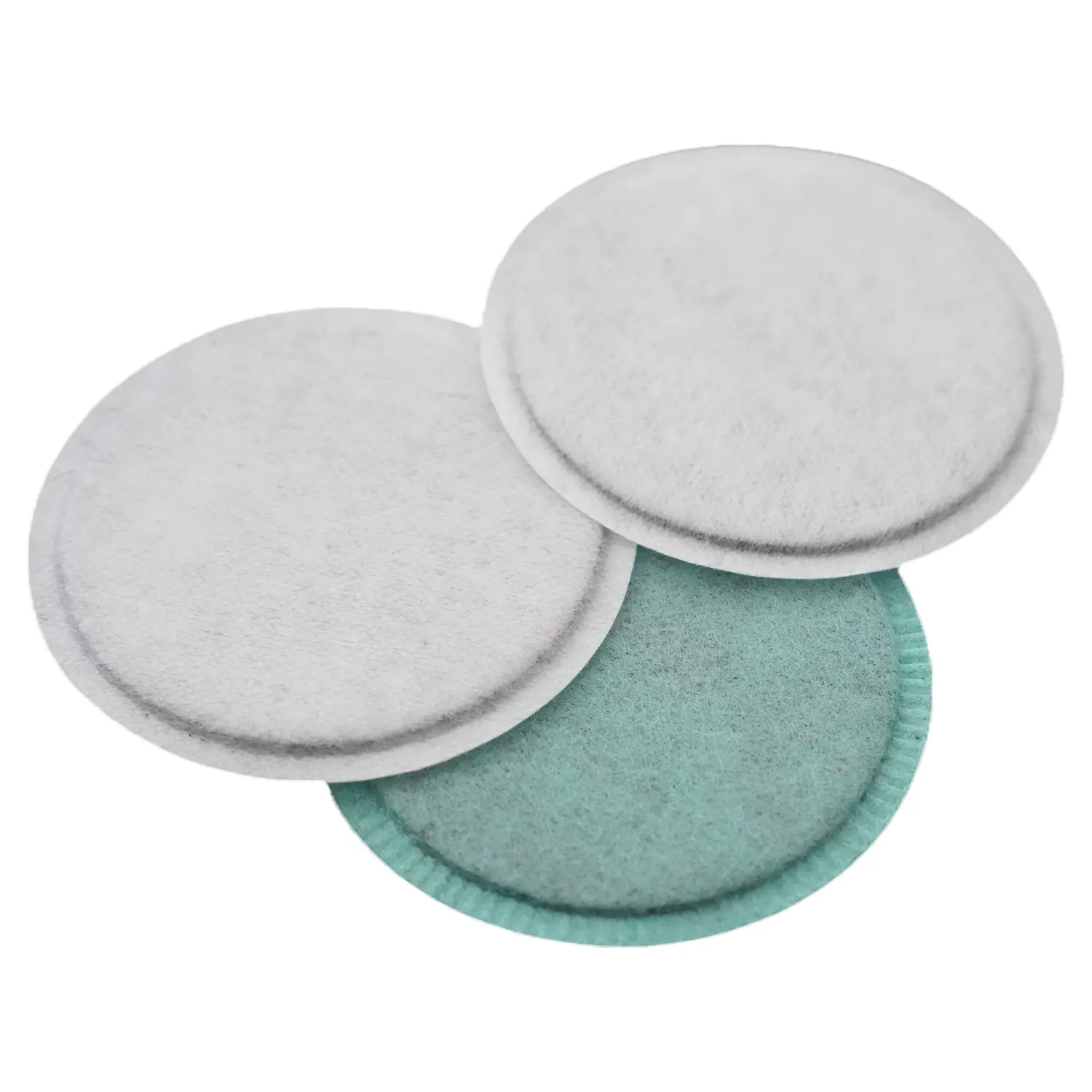
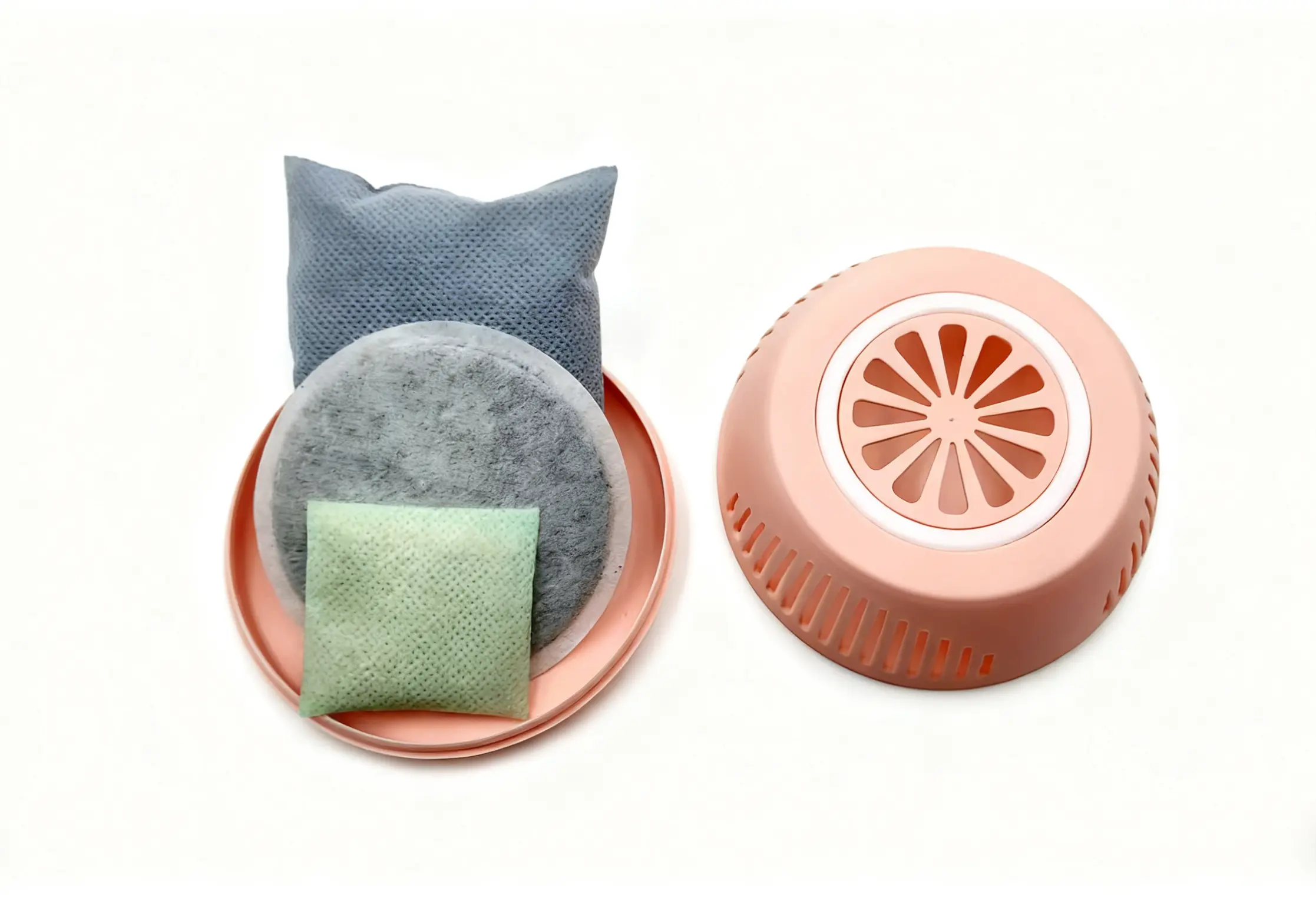
Activated carbon has been used for decades as a reliable adsorption material across water treatment, air purification, industrial processing, and environmental remediation. Its ability to capture impurities through a porous structure has made it a staple material in filtration systems worldwide. Yet as industrial processes become more complex and environmental standards more demanding, traditional activated carbon increasingly shows its limits.
This is where modified activated carbon enters the picture. Rather than replacing the core concept of adsorption, modification techniques fundamentally enhance how activated carbon interacts with specific contaminants. The result is not merely incremental improvement, but a meaningful shift in performance, selectivity, and long-term stability. Understanding why modified activated carbon consistently outperforms standard activated carbon requires looking beyond surface-level specifications and into how these materials behave under real-world conditions.
The Fundamental Limitations of Standard Activated Carbon
Standard activated carbon relies primarily on physical adsorption. Its effectiveness depends on surface area, pore size distribution, and basic chemical affinity. While this works well for general purification, it creates several inherent limitations.
First, adsorption efficiency is often non-selective. Standard activated carbon captures a wide range of substances, but not always the right ones. In environments where target contaminants coexist with competing molecules, valuable adsorption capacity is wasted.
Second, performance declines quickly in complex systems. High humidity, fluctuating temperatures, or the presence of oils and surfactants can block pores and reduce effectiveness. Once fouled, regeneration becomes difficult and energy-intensive.
Third, standard activated carbon struggles with emerging pollutants. Volatile organic compounds with low polarity, heavy metals with specific chemical behaviors, and trace contaminants at ultra-low concentrations often bypass untreated carbon surfaces.
These limitations do not mean standard activated carbon is obsolete. It remains effective for basic applications. But when performance, compliance, and lifecycle cost matter, modification becomes the decisive advantage.
What Makes Modified Activated Carbon Different
Modified activated carbon is not a single product category. It is a family of engineered materials designed to solve specific adsorption challenges. The core carbon structure remains, but surface chemistry, pore accessibility, and functional behavior are deliberately altered.
Modification methods typically fall into several broad approaches:
-
Chemical surface modification, introducing functional groups that bind selectively to target compounds
-
Impregnation with metal oxides or catalysts, enhancing reactivity and adsorption strength
-
Physical activation tuning, optimizing pore distribution for specific molecular sizes
-
Composite structuring, combining carbon with polymers or inorganic materials for hybrid performance
These changes shift activated carbon from a passive sponge into an active, purpose-built adsorption medium.
Enhanced Adsorption Selectivity
One of the most decisive advantages of modified activated carbon is selectivity. Instead of indiscriminately adsorbing everything it encounters, modified carbon can be engineered to prioritize specific contaminants.
Surface functional groups such as hydroxyl, carboxyl, amine, or sulfur-containing groups create chemical affinity with targeted molecules. This is especially critical in applications like:
-
Heavy metal removal from industrial wastewater
-
Acidic gas adsorption in air filtration
-
Removal of specific VOCs in chemical processing
-
Targeted odor control in enclosed environments
By aligning surface chemistry with contaminant behavior, modified activated carbon achieves higher removal efficiency with less material.
This selectivity also reduces premature saturation, extending service life and improving overall system stability.
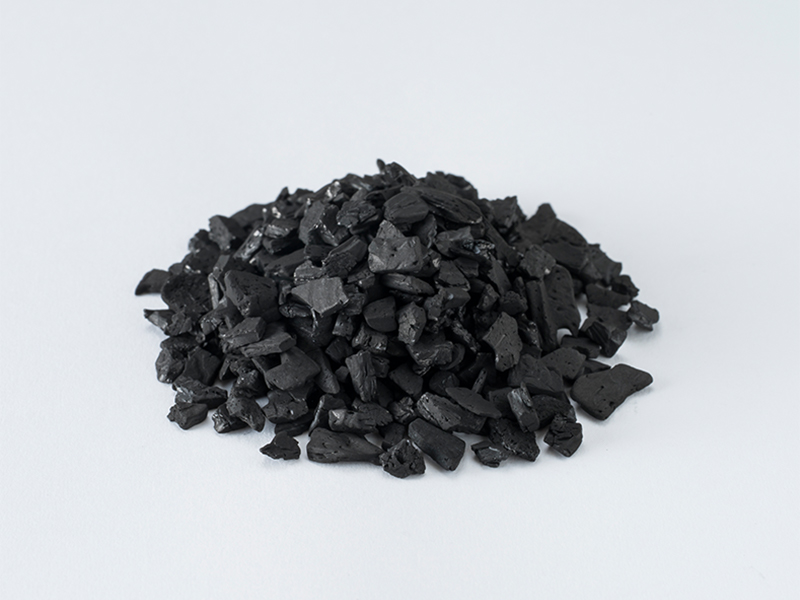
Superior Performance in High-Humidity and Complex Environments
Humidity is a well-known enemy of standard activated carbon. Water molecules occupy pore space, blocking access to adsorption sites and reducing effectiveness against organic compounds.
Modified activated carbon addresses this through hydrophobic surface treatments or functional group balancing. These adjustments allow the material to repel excess moisture while remaining active against target pollutants.
In industrial exhaust systems, wastewater treatment plants, and enclosed indoor air systems, this moisture resistance translates into:
-
More consistent adsorption rates
-
Reduced performance fluctuations
-
Longer operational cycles between replacements
The ability to maintain efficiency under variable environmental conditions is one of the strongest practical advantages of modified carbon.
Improved Capacity for Low-Concentration Contaminants
Modern environmental regulations increasingly focus on trace-level pollutants. Capturing contaminants at parts-per-million or parts-per-billion levels requires more than surface area alone.
Modified activated carbon excels in these scenarios because surface functionalization increases binding energy. Even low concentrations are drawn toward active sites and retained effectively.
This capability is particularly valuable in:
-
Drinking water treatment
-
Pharmaceutical manufacturing
-
Semiconductor cleanroom air systems
-
High-purity chemical processing
Standard activated carbon often reaches diminishing returns in these applications, while modified variants continue to deliver measurable results.
Structural Stability and Reduced Performance Degradation
Over time, standard activated carbon experiences pore collapse, surface fouling, and gradual loss of adsorption capacity. Regeneration cycles accelerate this degradation.
Modified activated carbon often incorporates stabilizing treatments that reinforce pore walls or protect active sites. This results in:
-
Slower performance decay
-
Greater tolerance to thermal regeneration
-
Reduced material loss during handling
From an operational perspective, this stability reduces downtime, maintenance costs, and replacement frequency.
Application-Specific Engineering Advantages
Perhaps the most important reason modified activated carbon outperforms standard carbon is that it is engineered for a purpose, not generality.
Different industries impose radically different demands:
-
Water treatment requires resistance to biological fouling
-
Air purification demands fast adsorption kinetics
-
Chemical processing needs compatibility with aggressive environments
-
Food and pharmaceutical uses require a low contamination risk
Modified activated carbon can be tailored to meet these exact requirements. Standard carbon cannot adapt without compromise.
Comparative Overview: Standard vs Modified Activated Carbon
| Performance Aspect | Standard Activated Carbon | Modified Activated Carbon |
|---|---|---|
| Adsorption Selectivity | Low, non-specific | High, target-oriented |
| Humidity Resistance | Limited | Strong, engineered |
| Trace Contaminant Removal | Moderate | High efficiency |
| Regeneration Stability | Degrades faster | Maintains structure |
| Application Customization | Minimal | Highly adaptable |
| Lifecycle Cost | Lower upfront, higher long-term | Optimized total cost |
This comparison highlights why modified activated carbon increasingly becomes the default choice in advanced systems.
Environmental and Regulatory Advantages
As sustainability and compliance pressures increase, material choice becomes a strategic decision.
Modified activated carbon often supports:
-
Lower material consumption due to higher efficiency
-
Fewer replacement cycles
-
Reduced waste generation
-
Compliance with stricter emission and discharge standards
In many regulated industries, these factors outweigh higher initial material costs.
Economic Considerations Beyond Initial Cost
At first glance, standard activated carbon appears more economical. However, when evaluating the total cost of ownership, modified activated carbon frequently proves more cost-effective.
Factors influencing this include:
-
Extended service life
-
Reduced downtime
-
Lower energy costs during regeneration
-
Improved system reliability
Procurement decisions based solely on unit price increasingly fail to meet long-term operational goals.
Why Modified Activated Carbon Is Becoming the Industry Standard
The shift toward modified activated carbon is not driven by novelty. It is driven by necessity.
As industrial systems become more precise and environmental expectations more demanding, materials must perform predictably under stress. Modified activated carbon meets this challenge by combining proven adsorption principles with modern material engineering.
Rather than replacing activated carbon, modification unlocks its full potential.
Long-Term Performance in Real Operating Conditions
Laboratory performance often looks impressive on paper, but real-world conditions expose material weaknesses quickly. Modified activated carbon consistently demonstrates superior resilience when exposed to fluctuating loads, contaminants, and environmental stressors.
This reliability builds confidence for engineers, operators, and decision-makers who cannot afford inconsistent results.
Strategic Material Selection for Future Systems
Looking forward, filtration and purification systems will continue to evolve. Smart manufacturing, advanced emissions control, and water reuse technologies all demand materials with precise, predictable behavior.
Modified activated carbon aligns with these trends by offering:
-
Tunable performance characteristics
-
Compatibility with automated systems
-
Integration with hybrid filtration technologies
Standard activated carbon, while still useful, lacks this adaptability.
Modified activated carbon outperforms standard activated carbon not because it changes what carbon is, but because it changes what carbon can do.
By enhancing selectivity, stability, and environmental resilience, modification transforms a traditional adsorption material into a high-performance engineering solution. For applications where reliability, efficiency, and long-term value matter, the choice is increasingly clear.
As industries push toward cleaner processes, tighter standards, and smarter systems, modified activated carbon is no longer an upgrade—it is the logical baseline.