
Living with an air conditioner is rarely just about temperature. What people actually experience day after day is airflow, noise, comfort, air freshness, and energy use. At the center of all of these is a component that receives far less attention than it deserves: the air-conditioner filter. It sits quietly behind a grille, invisible during normal use, yet it directly affects how the entire system behaves.
Many air-conditioning complaints begin with symptoms that feel serious—weak cooling, strange odors, rising electricity bills—but often trace back to something far simpler. Filters collect what the air carries. Over time, they change the way air moves, how heat is exchanged, and how clean the indoor environment feels. Knowing when to clean a filter and when replacement is the smarter choice is less about following a fixed schedule and more about understanding how real-world use shapes filter performance.
Living With an Air Conditioner Is Really Living With Its Filter
Every time an air conditioner runs, it pulls room air into the system. That air does not arrive clean. It carries dust, fibers from clothing and furniture, skin flakes, pollen, pet hair, cooking residues, and microscopic particles that never settle on visible surfaces. The filter is the first line of defense, catching much of this before air reaches the evaporator coil.
As the filter loads with debris, airflow resistance increases. The system must work harder to move the same volume of air, which changes sound levels, cooling speed, and power consumption. Many users assume declining performance signals a failing compressor or refrigerant issue, yet the filter is often the silent cause.
Because filters degrade gradually, the change feels normal. People adapt to weaker airflow without noticing. By the time discomfort becomes obvious, the filter has usually been overdue for attention for weeks or months.
What an Air-Conditioner Filter Actually Does During Daily Operation
The role of an air-conditioner filter goes beyond keeping dust off internal components. Its primary function is to regulate what enters the heat exchange zone. Clean airflow allows the evaporator coil to absorb heat efficiently. Restricted airflow disrupts this balance.
When a filter becomes clogged, less air passes through the coil per unit of time. The coil surface may become colder than designed, increasing condensation and sometimes leading to ice formation. Meanwhile, the room cools more slowly, prompting longer run times. This cycle increases wear on motors and raises electricity use.
Filters also influence indoor air circulation. Poor airflow reduces mixing, creating hot and cold pockets in a room. This is why a dirty filter can make a space feel uncomfortable even when the thermostat reading seems correct.
Cleaning vs Replacing: Two Actions That Solve Very Different Problems
Cleaning and replacing an air-conditioner filter are often treated as interchangeable solutions. In reality, they address different stages of filter life.
Cleaning removes surface debris. It restores airflow by clearing dust that blocks open passages in the filter material. For reusable filters, this can be effective when done early and correctly.
Replacement, however, addresses material fatigue. Over time, filter fibers lose structure. Electrostatic properties weaken. Microscopic pores deform. Even if a filter looks clean after washing, its ability to trap fine particles may be significantly reduced.
A common mistake is assuming that visible cleanliness equals functional performance. Filters can appear clear while no longer filtering effectively. Understanding this difference is essential to avoiding false confidence after repeated cleanings.
How Different Filter Materials Change the Maintenance Timeline
Not all air-conditioner filters age in the same way. Material choice shapes how often cleaning is effective and when replacement becomes unavoidable.
Basic plastic or nylon mesh filters are durable and designed for repeated washing. They trap larger particles but offer limited fine filtration. These filters tolerate cleaning well, but their performance relies heavily on airflow rather than particle capture.
Electrostatic filters use charged fibers to attract smaller particles. Washing gradually removes this charge. After several cleanings, airflow may improve, but filtration efficiency declines.
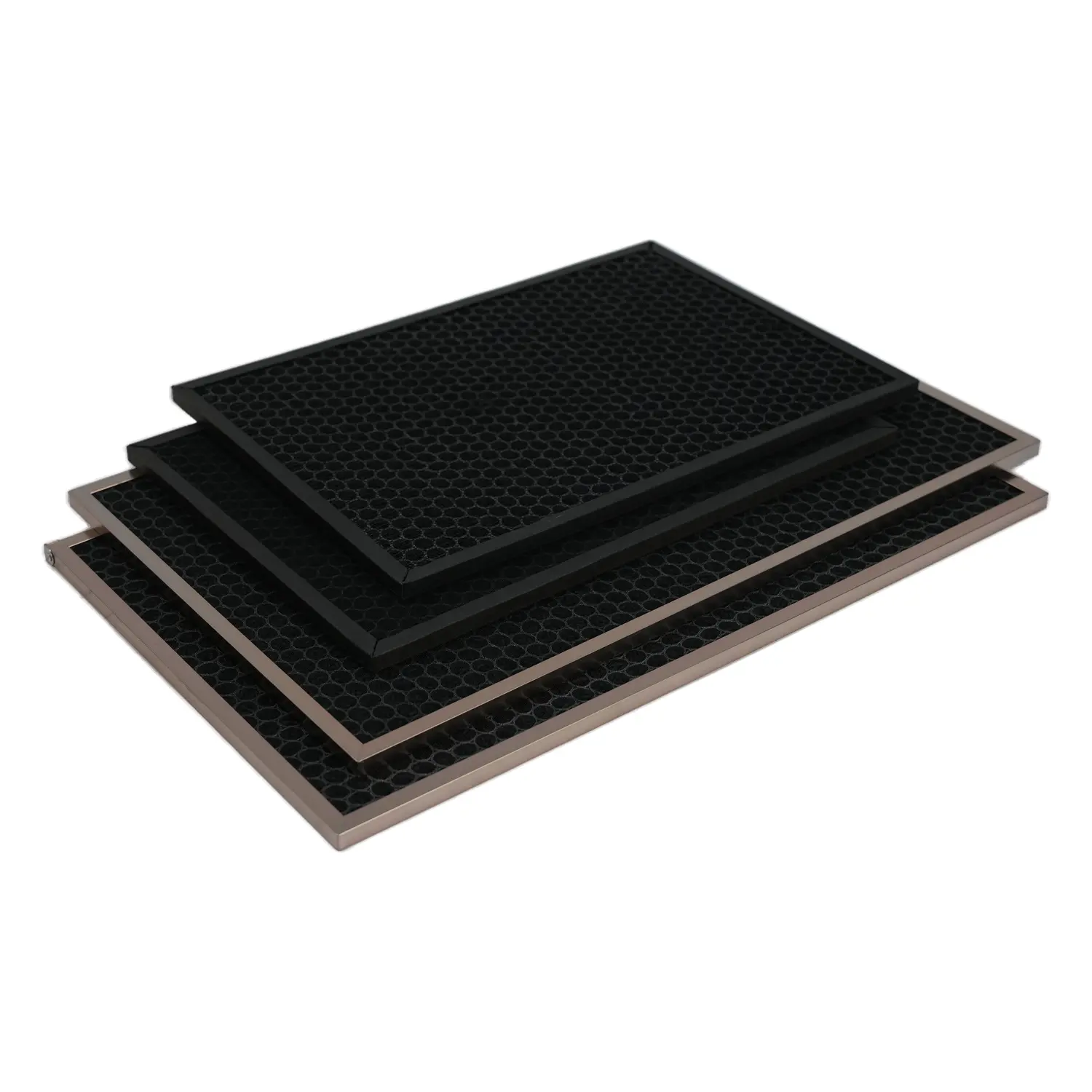
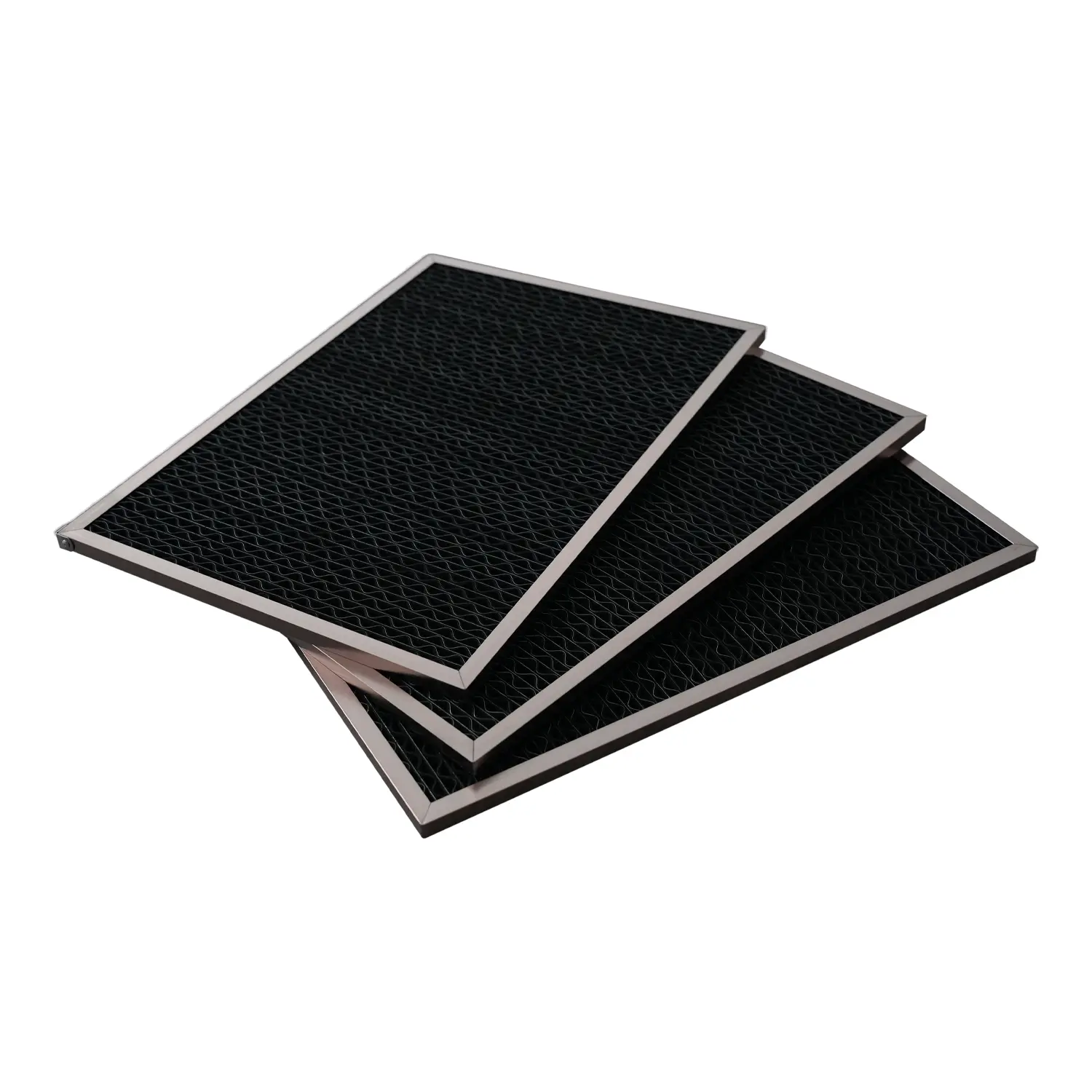
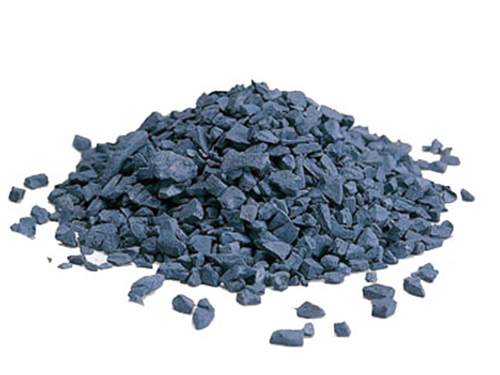
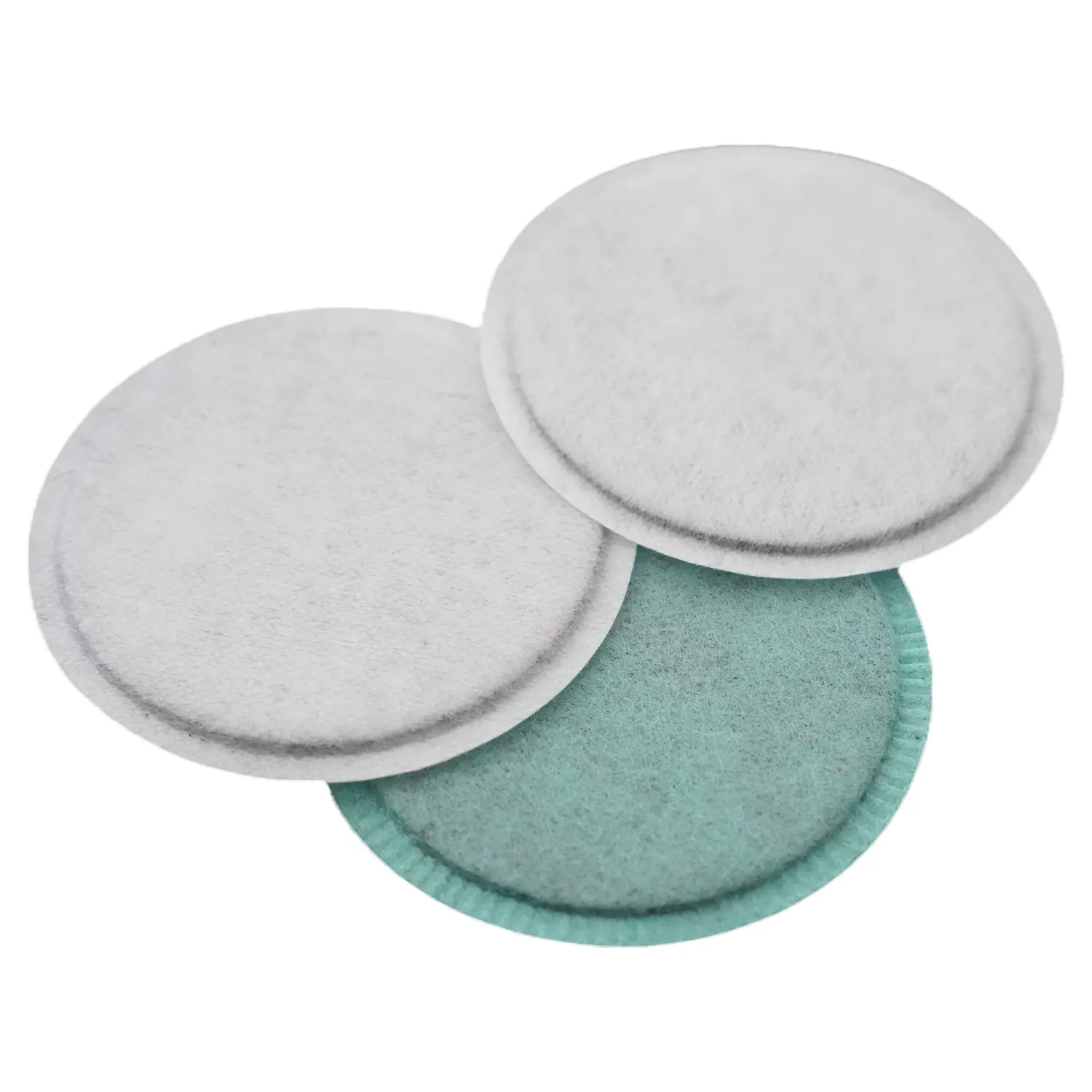
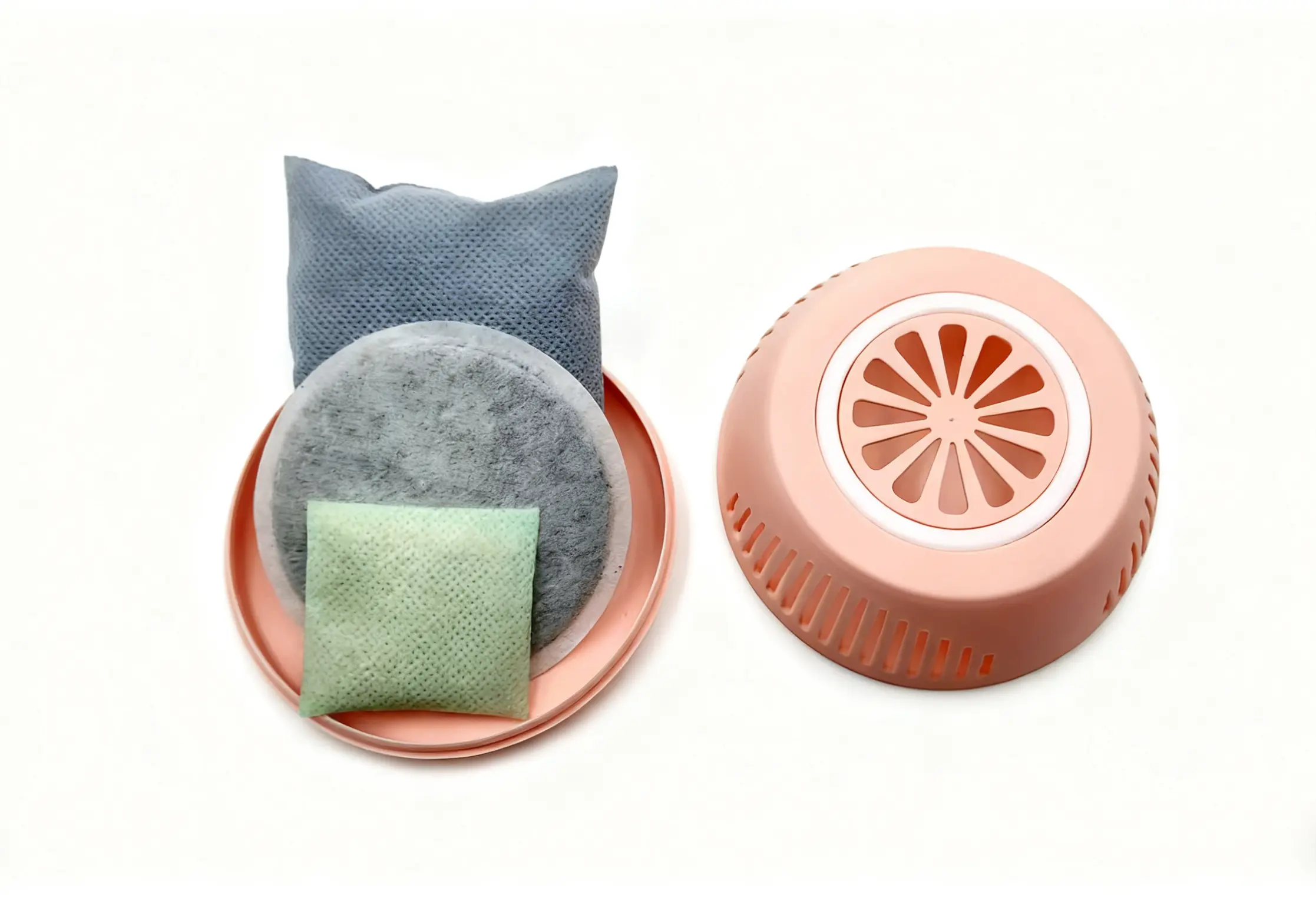
Activated carbon or composite filters absorb odors and certain gases. Once saturated, washing cannot restore their adsorption capacity. Replacement is the only solution.
High-density fiber filters, often found in advanced systems, capture fine particulates effectively but are more sensitive to moisture and mechanical stress. Aggressive cleaning shortens their lifespan.
Material determines not just how often a filter should be cleaned, but how many times cleaning remains meaningful.
Environmental Factors That Shorten or Extend Filter Life
There is no universal maintenance schedule because filters live in environments, not laboratories. The same filter behaves differently depending on how and where it is used.
Urban homes with heavy traffic exposure accumulate fine particulates faster than rural settings. Homes with pets experience continuous hair and dander loading. Open kitchens introduce grease aerosols that cling stubbornly to filter fibers. High-humidity regions encourage microbial growth on trapped organic matter.
Occupancy also matters. More people mean more airborne particles. Systems running for long hours daily load filters far faster than occasional-use units.
Understanding these factors allows users to predict filter behavior rather than react to problems after they appear.
Performance Signals That Tell You the Filter Needs Attention
Filters communicate through system behavior. The signs are subtle at first, then increasingly obvious.
Airflow that feels weaker than usual, even when fan settings are unchanged, often indicates rising resistance. A system that runs longer to achieve the same temperature suggests reduced heat exchange efficiency. New odors, especially musty or dusty smells, can originate from accumulated debris on the filter.
Noise changes matter as well. A strained fan motor or whistling air sound can result from restricted intake. Rising electricity costs without lifestyle changes are another quiet signal.
These symptoms rarely point to sudden mechanical failure. They usually reflect gradual airflow degradation.
Health and Comfort Impacts of Delayed Filter Maintenance
Beyond comfort, filters influence indoor air quality. While not designed as medical-grade purification devices, they significantly reduce airborne irritants.
Delayed maintenance allows trapped particles to re-enter circulation. Fine dust, pollen, and allergens can bypass overloaded filters or detach from saturated fibers. For sensitive individuals, this can mean worsening allergy symptoms, dry eyes, or respiratory irritation.
Comfort also suffers. Poor airflow disrupts temperature balance and humidity control. Sleep quality declines when rooms feel stuffy or unevenly cooled. Over time, these effects shape daily living more than many users realize.
How Often Should Filters Be Cleaned Under Normal Use
Rather than fixed timelines, filter care should follow observation-based intervals. Under moderate use in relatively clean environments, many reusable filters benefit from cleaning every four to six weeks during peak seasons.
In heavier-use scenarios, monthly inspection becomes essential. Cleaning should occur when visible dust accumulation begins to restrict airflow, not only when performance drops noticeably.
The goal is to intervene early, when cleaning fully restores airflow without stressing the filter material.
When Cleaning Is No Longer Enough, and Replacement Becomes Necessary
Every filter reaches a point where cleaning provides diminishing returns. This moment often arrives quietly.
If airflow does not improve after proper cleaning, the internal structure may be compromised. Filters that warp, retain odors, or feel sticky after drying have likely passed their effective lifespan. Repeated washing that leaves fibers brittle or loose signals fatigue.
Replacement at this stage prevents strain on the system and restores original airflow characteristics. Delaying replacement saves little and costs more over time.
The Hidden Cost of Ignoring Filter Replacement
Neglected filters increase operational costs gradually. Extended run times consume more electricity. Fans and motors experience higher load. Evaporator coils accumulate dust, reducing efficiency further and complicating future cleaning.
Over the years, this has led to earlier component failure. What begins as a low-cost consumable issue evolves into a maintenance problem affecting the entire system.
Replacing a filter at the right moment protects much more expensive parts.
Seasonal Maintenance: Why Timing Matters More Than People Expect
Seasonal transitions offer natural maintenance windows. Preparing filters before heavy summer or winter use ensures peak efficiency when demand is highest.
Post-season checks matter as well. Filters loaded during long cooling periods may harbor moisture and debris that degrade material during inactivity. Addressing this before downtime extends filter life.
Seasonal awareness transforms maintenance from reactive to preventive.
Practical Maintenance Habits That Make Filters Last Longer
Effective filter care relies on habits rather than reminders. Regular visual checks build familiarity with normal conditions. Gentle cleaning preserves fiber structure. Allowing filters to dry completely prevents microbial growth.
Equally important is knowing when not to clean. Some filters lose performance with each wash. Recognizing these limits prevents overuse.
Consistency, not intensity, defines good maintenance.
Choosing Replacement Filters That Actually Match Your System
Not all replacements are equal. Size accuracy ensures proper sealing. Excessively dense filters may restrict airflow beyond system design limits. Over-specifying filtration can reduce comfort rather than improve it.
Matching original specifications maintains a balance between airflow and cleanliness.
Air conditioners are not set-and-forget appliances. Their performance depends on small, routine actions. Filters represent the simplest intervention with the greatest impact.
Knowing when to clean and when to replace is less about rules and more about awareness. Paying attention to airflow, comfort, and subtle system changes leads to timely decisions that protect both comfort and equipment.
In the end, the real question is not how often filters should be cleaned or replaced, but whether their condition is being noticed at all.