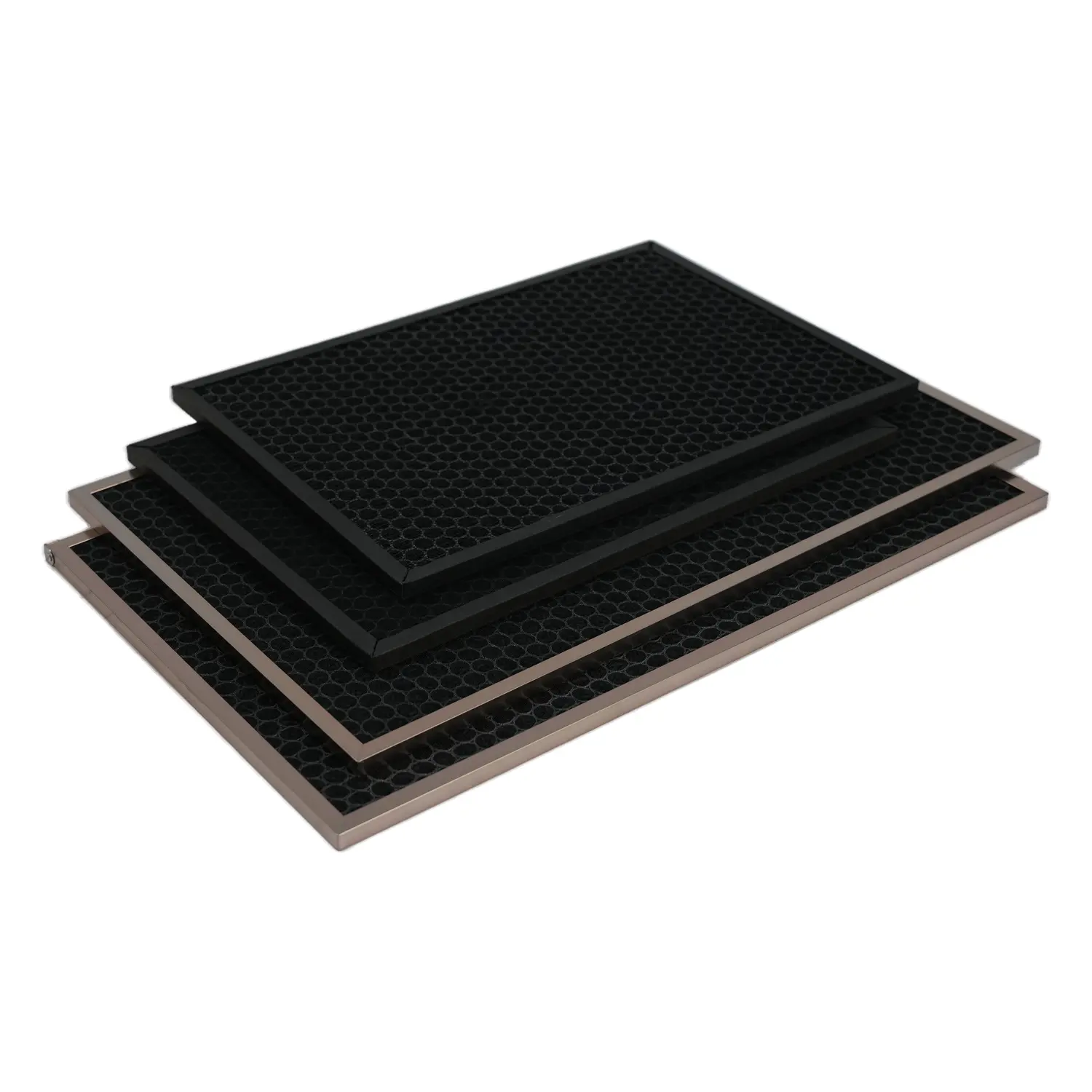
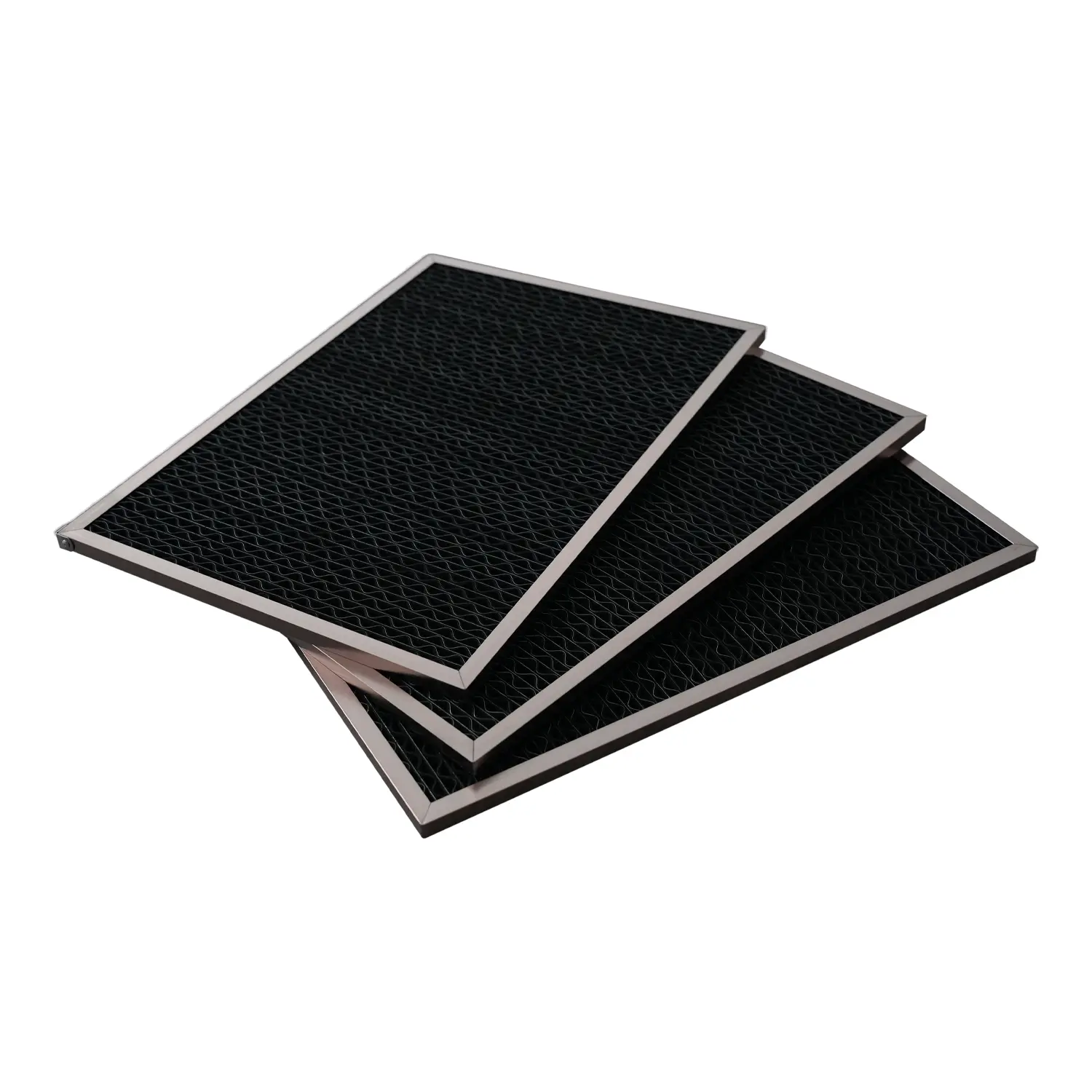
Modern industry produces enormous quantities of gases, chemicals, and microscopic pollutants that eventually find their way into the air we breathe and the water we drink. As environmental regulations tighten and public awareness of pollution grows, the demand for high-efficiency filtration materials has increased dramatically. Among these materials, modified activated carbon fiber felt has gained attention for its exceptional adsorption capacity, rapid reaction kinetics, and adaptability across a wide range of purification systems.
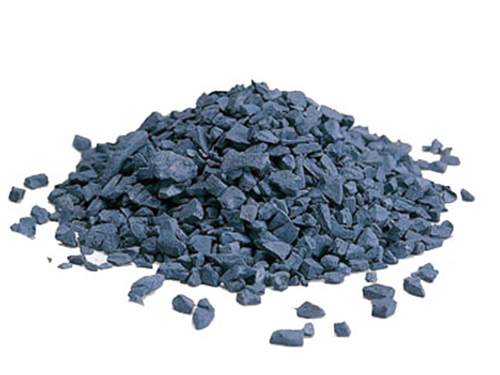
Activated carbon has long been recognized as a powerful adsorbent material. It works by trapping contaminants within microscopic pores on its surface. However, traditional granular or powdered activated carbon often suffers from slower adsorption rates and limited surface accessibility. Activated carbon fiber felt, especially when modified through chemical or physical treatments, addresses many of these limitations. Its fibrous structure dramatically increases the accessible surface area and improves pollutant capture efficiency.
Industries ranging from water treatment and air purification to chemical processing and energy production increasingly rely on modified activated carbon fiber felt to meet stricter environmental standards. The modification process enhances the material’s adsorption capacity, selectivity, and durability, allowing it to target specific pollutants more effectively than conventional carbon materials.
Understanding why modified activated carbon fiber felt performs so well requires exploring its structure, modification techniques, adsorption mechanisms, and real-world applications. These aspects reveal why this advanced filtration material is becoming essential in modern environmental protection systems.
The Structure and Properties of Activated Carbon Fiber Felt
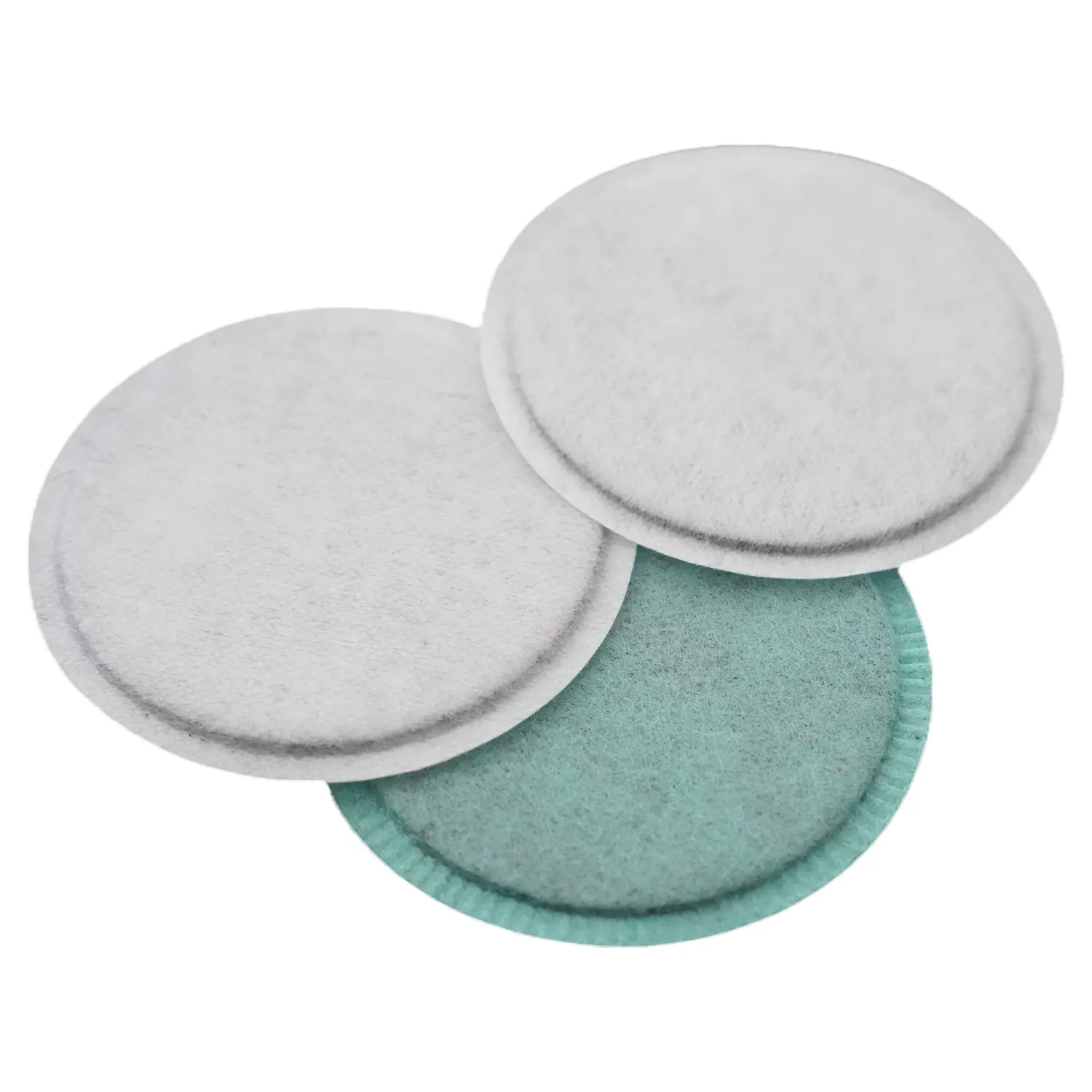
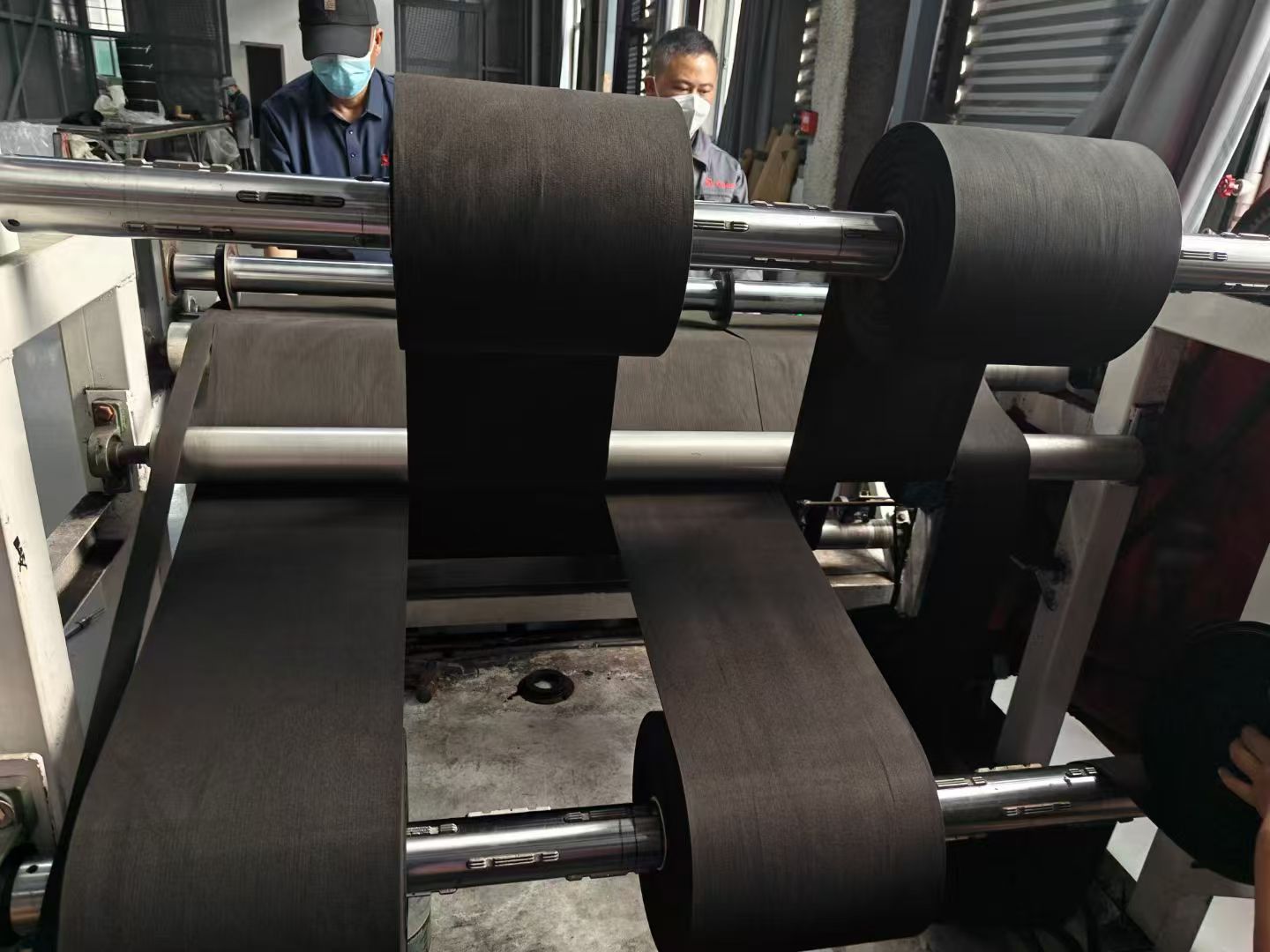
Activated carbon fiber felt is produced from precursor fibers such as polyacrylonitrile (PAN), viscose, or pitch. These fibers undergo carbonization and activation processes that transform them into a highly porous carbon material with an enormous surface area.
Unlike granular carbon, which forms irregular particles, carbon fiber felt maintains a continuous fibrous network. This structure provides several advantages in filtration systems. First, gases and liquids can pass through the felt easily while contaminants are captured within the microscopic pores. Second, the thin fiber diameter allows pollutants to reach adsorption sites more quickly, increasing overall purification efficiency.
Another important feature of activated carbon fiber felt is its uniform pore distribution. The activation process creates a network of micropores and mesopores that significantly increases adsorption capacity. In many cases, the surface area of activated carbon fiber materials can exceed 1,000 square meters per gram.
Beyond high surface area, carbon fiber felt also offers excellent thermal stability, chemical resistance, and mechanical flexibility. These characteristics allow the material to function in harsh industrial environments where temperature fluctuations, corrosive gases, or chemical solvents are present.
However, while standard activated carbon fiber felt already performs well, researchers and manufacturers often apply additional treatments to enhance its performance. This is where modification techniques play a critical role.
Why Modification Improves Activated Carbon Fiber Performance
The basic adsorption properties of activated carbon materials come from their porous structure and carbon surface chemistry. Yet certain pollutants require more specialized adsorption mechanisms. Through modification, manufacturers can adjust the surface chemistry and pore structure of carbon fiber felt to target specific contaminants more effectively.
Modification typically introduces functional groups onto the carbon surface. These groups interact chemically with pollutants, improving the adsorption capacity for particular compounds such as volatile organic compounds (VOCs), heavy metals, or acidic gases.
Common modification strategies include:
-
Chemical oxidation, which introduces oxygen-containing functional groups that enhance the adsorption of polar contaminants
-
Metal impregnation, where metals such as silver, copper, or manganese improve catalytic and antimicrobial properties
-
Surface functionalization is designed to increase affinity for specific organic or inorganic molecules
-
Thermal or plasma treatments, which alter pore size distribution and surface activity
These treatments transform activated carbon fiber felt from a general adsorbent into a specialized filtration material designed for demanding purification tasks.
In industrial filtration systems, such improvements can dramatically increase pollutant removal efficiency while reducing energy consumption and maintenance costs.
Key Advantages of Modified Activated Carbon Fiber Felt
Modified activated carbon fiber felt offers a number of advantages compared with traditional adsorption materials. These benefits explain why it is increasingly used in advanced purification technologies.
First, the fibrous structure allows extremely fast adsorption kinetics. Pollutants can reach adsorption sites quickly because the fibers are thin and evenly distributed. This makes the material particularly effective in systems requiring rapid air or water purification.
Second, modification enhances the material’s chemical selectivity. Functional groups added during treatment create stronger interactions with specific contaminants, enabling higher removal efficiency.
Third, activated carbon fiber felt typically requires less material volume than granular carbon systems to achieve similar or better performance. This compact design reduces equipment size and simplifies system integration.
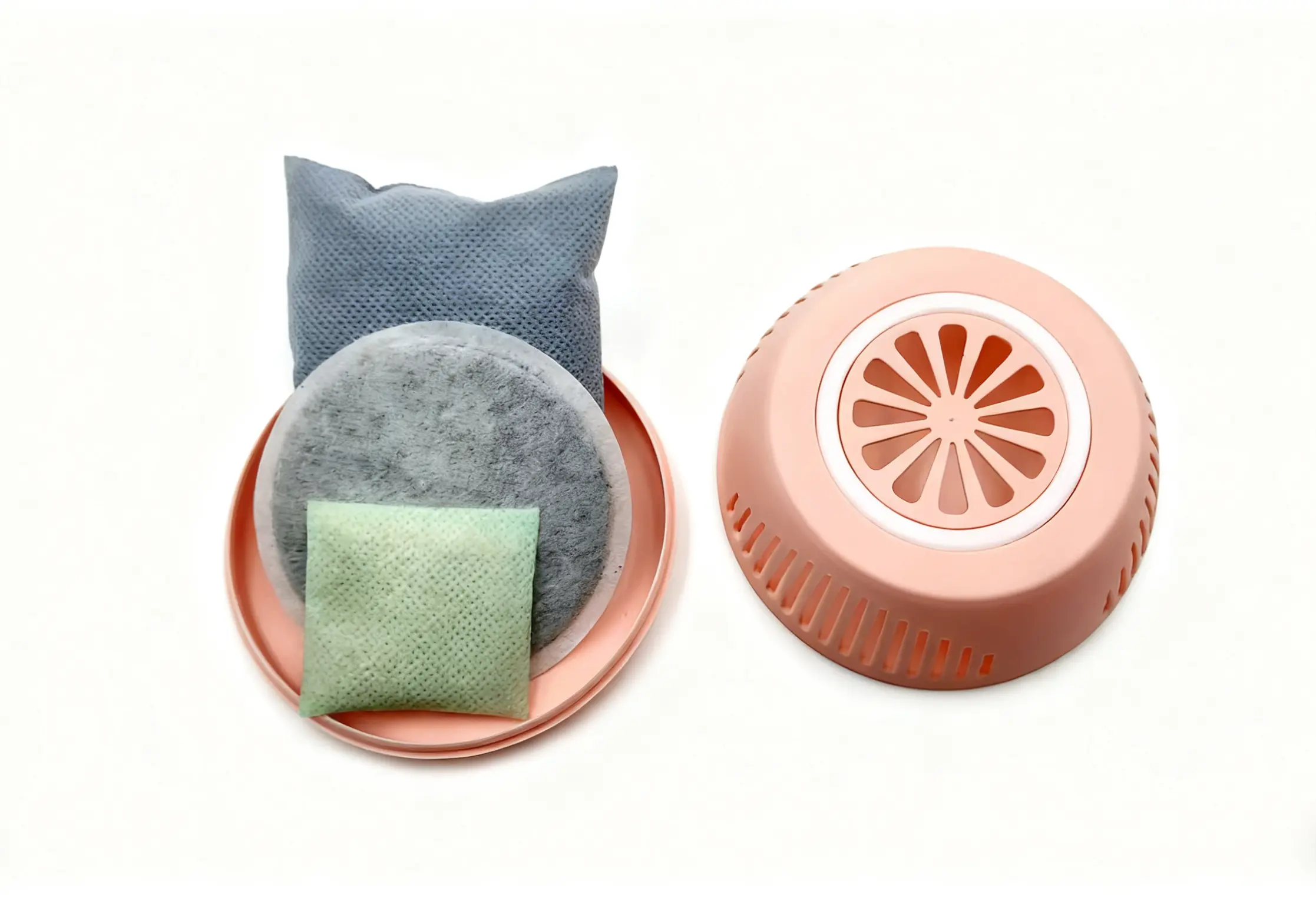
Finally, the felt structure provides excellent flexibility and durability. It can be cut, shaped, or layered to fit different filtration systems without losing structural integrity.
Together, these advantages make modified activated carbon fiber felt an attractive solution for industries that need reliable and efficient purification materials.
Industrial Applications of Modified Activated Carbon Fiber Felt
The versatility of modified activated carbon fiber felt allows it to serve in many industrial sectors. Its ability to capture gases, organic pollutants, and toxic chemicals makes it suitable for both air and water treatment applications.
In environmental protection systems, the material is frequently used to remove volatile organic compounds, industrial solvents, and hazardous gases released during manufacturing processes. Because adsorption occurs rapidly, the material is well-suited for continuous air purification systems where fast response times are critical.
Water treatment is another major application area. Modified activated carbon fiber felt can remove organic pollutants, dyes, pharmaceutical residues, and heavy metals from industrial wastewater. The high surface area and tailored surface chemistry allow efficient removal even at low pollutant concentrations.
Energy and chemical industries also use this material to capture harmful gases generated during fuel combustion or chemical reactions. In some systems, modified carbon fiber felt acts not only as an adsorbent but also as a catalytic support that enhances chemical reaction efficiency.
In addition to these applications, the material plays an important role in emerging technologies such as hydrogen purification, solvent recovery systems, and advanced filtration membranes.
Applications Where Modified Carbon Fiber Felt Is Most Effective
While activated carbon fiber felt can be used in many environments, certain applications benefit particularly from its modified properties.
-
Industrial air purification systems where the removal of volatile organic compounds is required
-
Wastewater treatment plants must eliminate organic pollutants and heavy metals.
-
Chemical manufacturing facilities where toxic gas adsorption is necessary
-
Solvent recovery processes are designed to capture and reuse industrial solvents
Each of these environments demands materials that can perform consistently under challenging conditions. Modified activated carbon fiber felt meets these requirements by combining strong adsorption capacity with high chemical stability.
Performance Comparison with Traditional Activated Carbon
The performance differences between modified activated carbon fiber felt and traditional carbon materials become clearer when examining key technical characteristics.
| Property | Modified Activated Carbon Fiber Felt | Traditional Granular Carbon |
|---|---|---|
| Surface area | Extremely high and easily accessible | High but less accessible |
| Adsorption speed | Very fast due to thin fibers | Slower diffusion through particles |
| Pressure drop | Low in filtration systems | Higher in packed beds |
| Selectivity | Adjustable through modification | Limited chemical selectivity |
| System flexibility | Can be shaped into different structures | Usually limited to fixed beds |
This comparison highlights why many modern filtration systems prefer fiber-based carbon materials. The improved mass transfer and customizable surface chemistry allow higher efficiency in smaller systems.
How Surface Chemistry Controls Adsorption Behavior
Adsorption is not simply about surface area. The chemical properties of the carbon surface determine how strongly pollutants attach to the material.
Modified activated carbon fiber felt contains functional groups such as hydroxyl, carboxyl, and carbonyl groups. These groups create active sites that interact with pollutant molecules through electrostatic forces, hydrogen bonding, or chemical reactions.
In air purification systems, these interactions allow the material to capture organic vapors more effectively than untreated carbon. In water treatment applications, the functional groups can attract dissolved metals or organic compounds, significantly improving purification efficiency.
Surface modification, therefore, plays a crucial role in tailoring adsorption behavior for specific environmental challenges.
Manufacturing Process of Modified Activated Carbon Fiber Felt
Producing modified activated carbon fiber felt involves several carefully controlled steps. The process begins with the selection of suitable precursor fibers, which determine the final material properties.
The manufacturing sequence typically includes:
-
Stabilization, where precursor fibers are oxidized to prepare them for carbonization
-
Carbonization, performed at high temperatures to convert the fibers into carbon
-
Activation, which develops the porous structure and increases the surface area
-
Surface modification, where chemical treatments introduce functional groups or catalysts
Each stage influences the pore structure, mechanical strength, and adsorption characteristics of the final product. Manufacturers often adjust these parameters depending on the intended application of the material.
Emerging Technologies Using Modified Carbon Fiber Felt
Researchers continue to explore new uses for modified activated carbon fiber felt as environmental technologies evolve. One promising area involves combining carbon fiber felt with photocatalytic or electrochemical systems to create hybrid purification materials.
In these systems, the carbon fibers capture pollutants while catalytic coatings break them down into harmless compounds. Such technologies could significantly improve the efficiency of air and water purification systems in the future.
Another emerging field is energy storage. Some modified carbon fiber materials are being investigated as electrodes in supercapacitors and batteries due to their high conductivity and surface area.
These developments highlight the versatility of carbon fiber felt and its potential role in future environmental and energy solutions.
Why Advanced Filtration Materials Will Continue to Evolve
Environmental regulations and industrial sustainability goals are driving continuous improvements in purification technology. As industries attempt to reduce emissions and improve resource efficiency, filtration materials must also evolve.
Modified activated carbon fiber felt represents a step forward in adsorption technology because it combines structural advantages with customizable chemistry. This combination allows engineers to design filtration systems that are both compact and highly efficient.
Future innovations may involve integrating carbon fiber felt with smart monitoring systems, automated regeneration technologies, or advanced catalytic coatings. These developments could further enhance pollutant removal while lowering operational costs.
The Role of Modified Activated Carbon Fiber Felt in Sustainable Industry
Sustainable industrial development requires effective pollution control without excessive energy consumption or waste generation. Materials that capture contaminants efficiently while remaining durable and reusable are essential for achieving this balance.
Modified activated carbon fiber felt supports these goals by providing high adsorption efficiency and long operational life. Its ability to function in diverse environments—from wastewater treatment plants to industrial air purification systems—makes it a valuable component in modern environmental protection strategies.
As industries continue to prioritize clean production and environmental responsibility, advanced materials like modified activated carbon fiber felt will play an increasingly important role in reducing pollution and protecting natural resources.
In many ways, the evolution of this material reflects a broader trend in environmental engineering: solving complex pollution problems through smarter materials and more efficient purification technologies.