
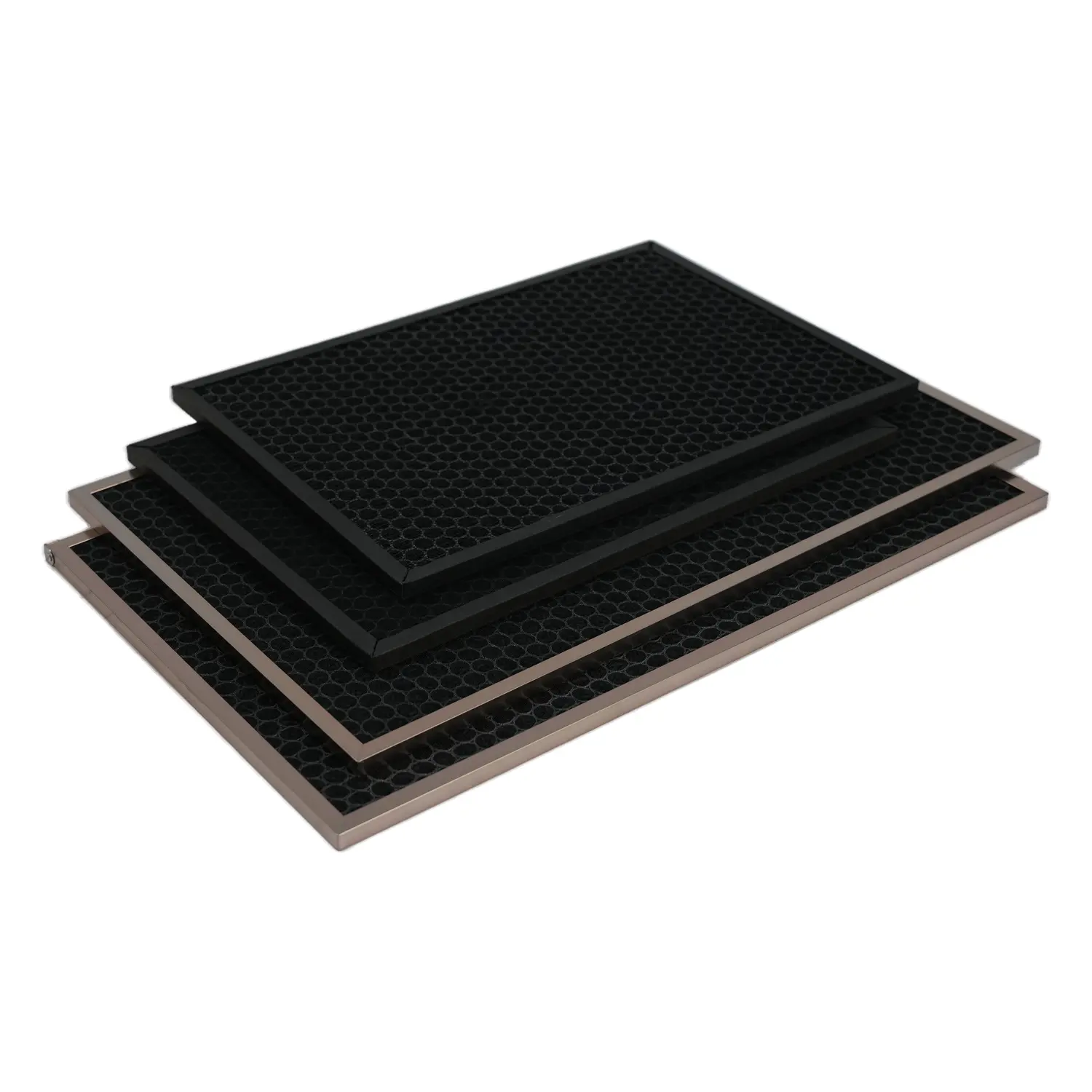
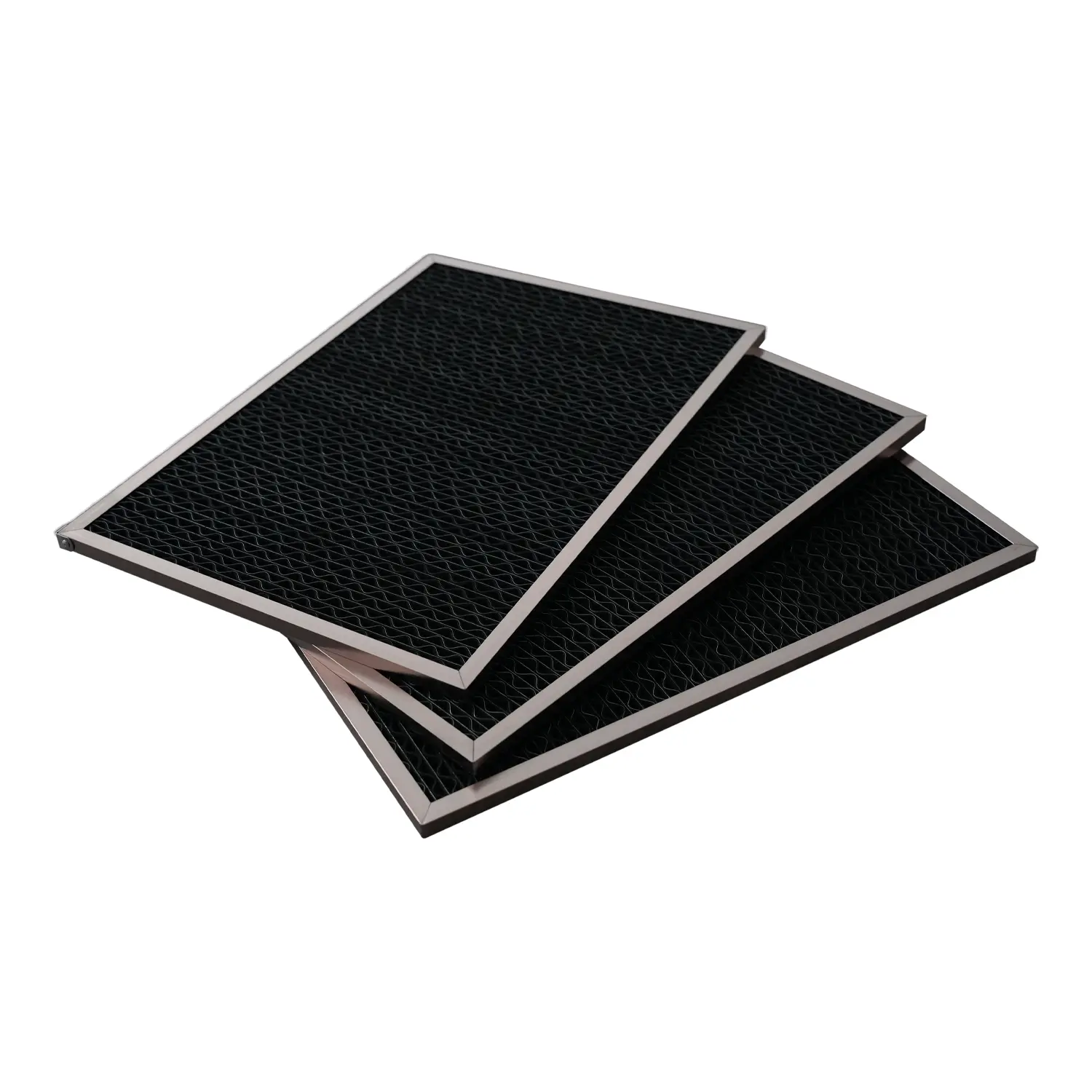
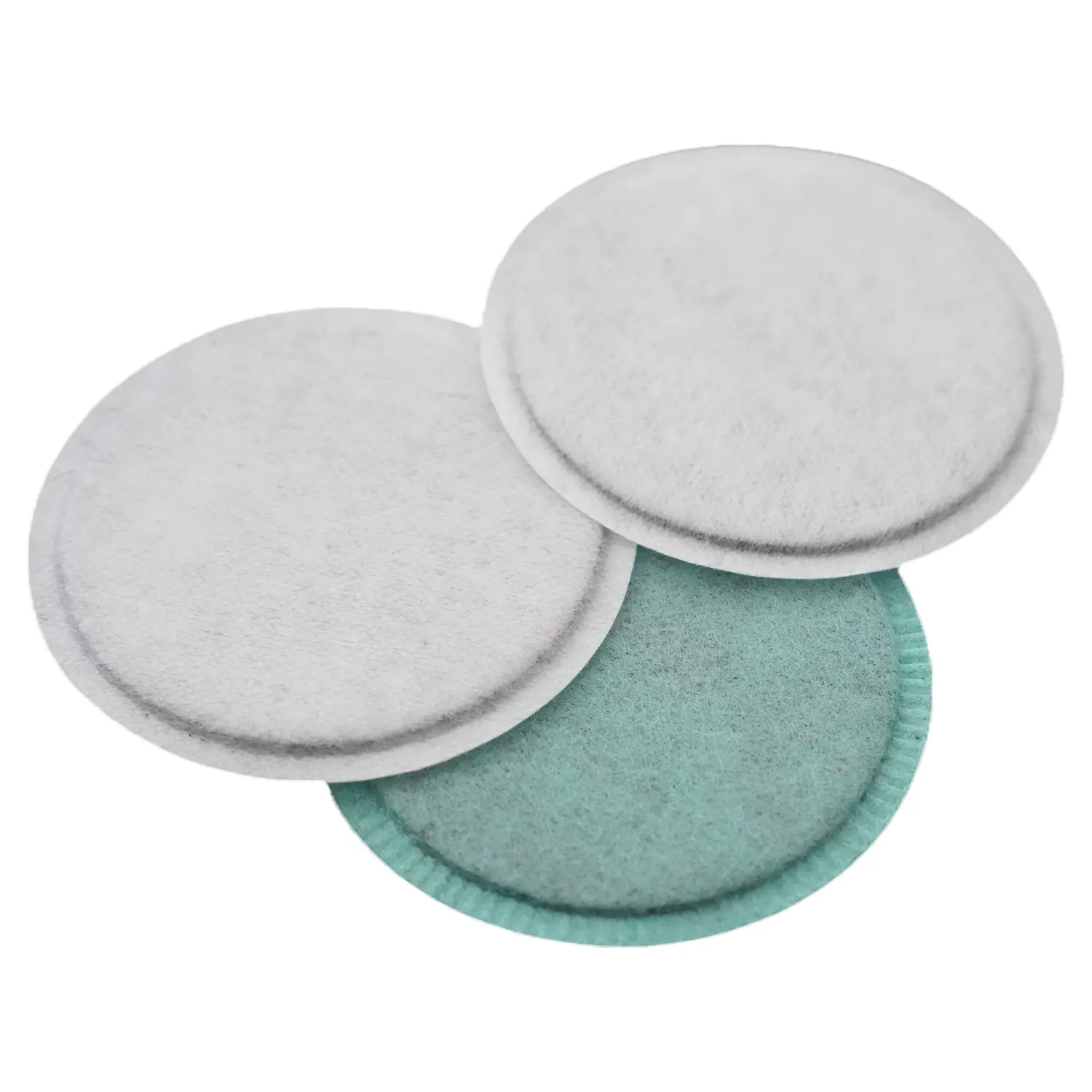
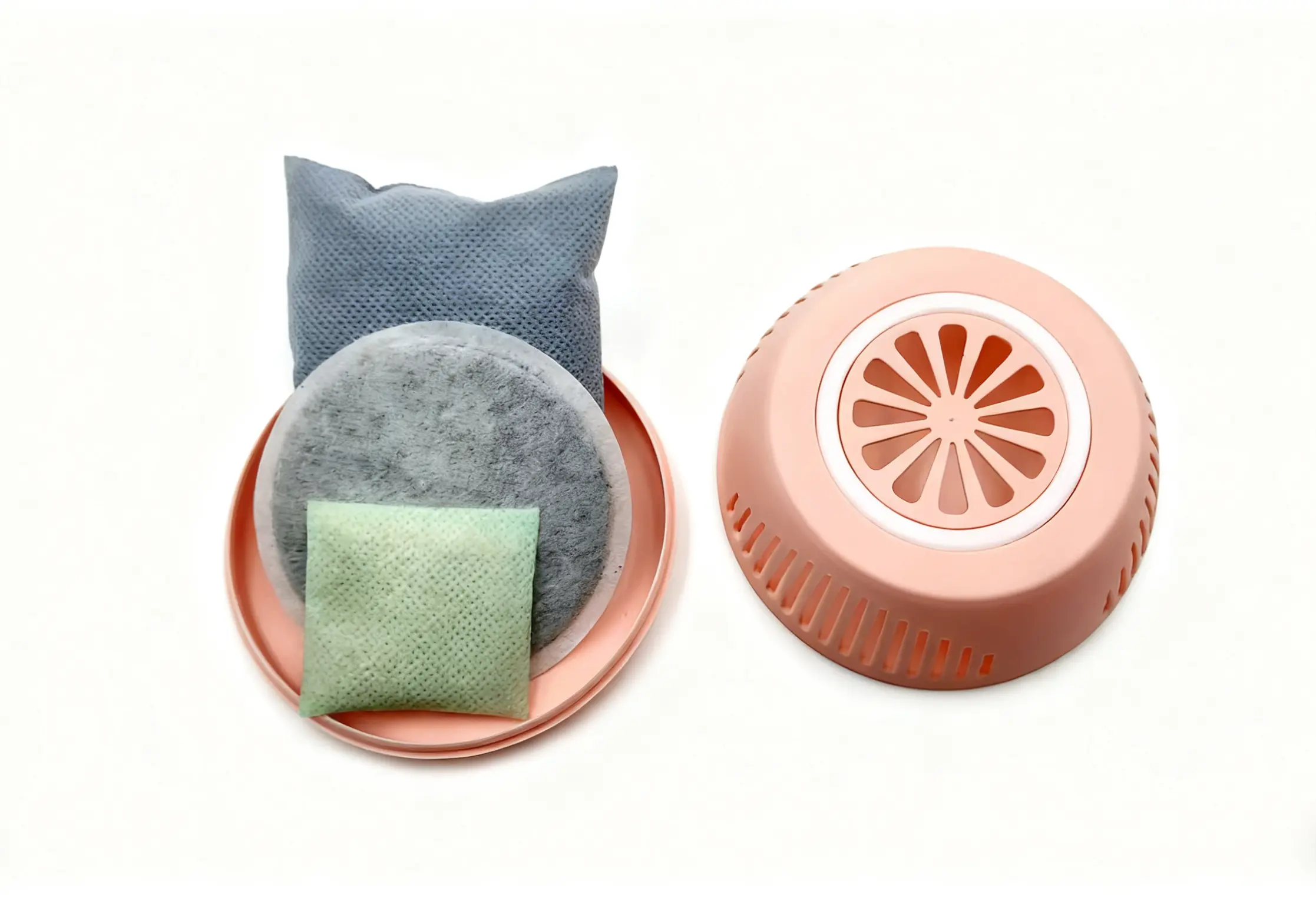
Today, we have a high degree of awareness of the apparent pollutants that cover our planet’s skies and tarnish our surfaces. Dust, pollen, smoke, and pet dander are all physical enemies that we seek to eliminate with a clean living space. But what about the dangers we cannot perceive? A host of imperceptible enemies that are present in the air, including volatile organic compounds (VOCs), harmful gases, and long-lasting odors, all of which are present in our homes, offices, and vehicles. These molecular-level pollutants, which are released from furniture, paints, cleaning agents, and cooking, are unable to be stopped by traditional particle filters. To get them, we must create a different technology that operates on a microscopic scale.
This incredible device is the frontline defense against toxic gases. It’s the silent hero that operates without a noise, inside your air purifier, HVAC system, and car’s ventilation system, he consistently traps and neutralizes the harmful gases and undesirable smells, thereby avoiding other filters. For anyone who is serious about air quality, from homeowners and allergy sufferers to facility managers and industrial engineers, understanding the power and purpose of a carbon filter is not only beneficial, it’s essential.
What is a Carbon Filter and How Does It Work?
Unlike a standard mesh or fiber filter that functions as a net to collect particles, a carbon filter is based on a chemical mechanism that is called adsorption. Understanding this process is crucial to understanding the effectiveness of the filter.
The Adsorption principle: the molecular sponge of nature
It’s important to differentiate between absorption and adsorptive behavior. When a sponge takes in water, the water molecules fill the sponge’s volume physically. However, adsorption is a surface-related phenomenon. During the adsorption process, molecules of gas and odor are attracted to and remain on the outside of a surface, similar to magnets that attach to a metal rod.
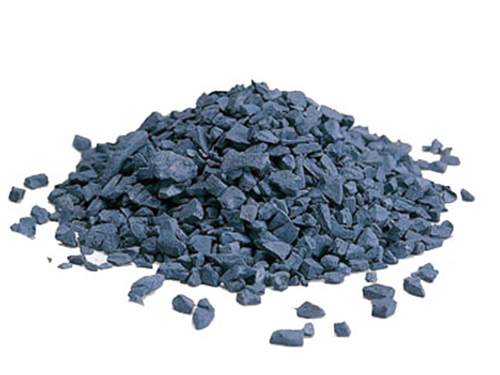
The activated carbon filter is primarily a talented artist. It’s made up of a superporous carbon substrate that is specialized. While it may appear to be a simple black ball or pellet, its internal composition is a complex, intricate network of microscopic channels and pores. This network offers the carbon an astoundingly extensive area. A single gram of activated carbon has the surface area of several football fields.
It’s on this internal layer that the magic occurs. As the polluted air is filtered through the carbon filter, the molecules of VOCs, smells, and other gaseous pollutants are embedded in this porous network. Once they’re inside, they become confined, and their attachment to the carbon surface is through a weak bond (van der Waals bond). The air that is finally released from the filter is depleted of these impurities, which leaves it much purer and fresher.
The Power of Activated Carbon: From Raw Material to Filtering Powerhouse
Not just any carbon can perform this feat. The material used is activated carbon (also known as activated charcoal), which is created from carbon-rich organic materials like coconut shells, wood, or coal. This raw material is put through a two-step “activation” process:
- Carbonization: The raw material is heated in an oxygen-free environment to burn off all volatile components, leaving behind a pure carbon char.
- Activation: This char is then “activated,” typically using either high-pressure steam or a strong chemical agent at extreme temperatures. This second stage is what erodes the carbon’s internal structure, creating the vast network of pores and dramatically increasing its surface area and adsorptive potential.
The result is a material perfectly engineered at a microscopic level to be a highly effective trap for unwanted gas molecules.
The Anatomy of a High-Performance Carbon Filter: Beyond Just Charcoal
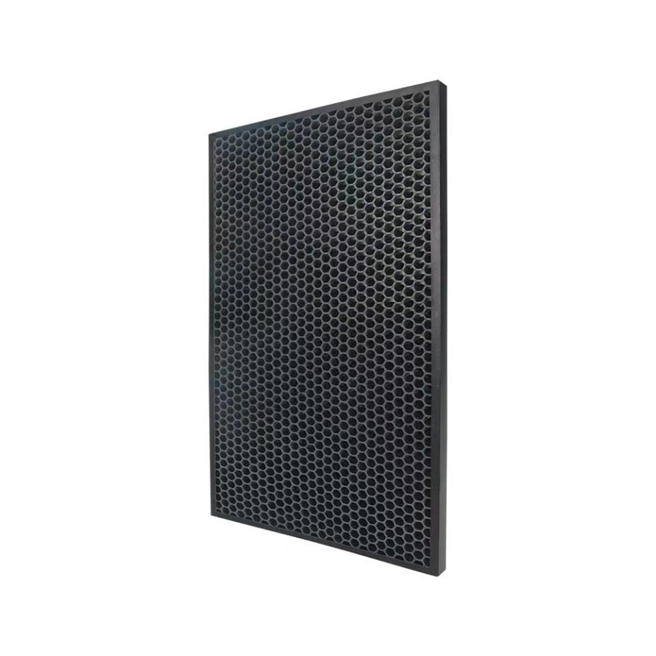
While the principle of adsorption is universal, not all carbon filters are created equal. The effectiveness, efficiency, and longevity of a filter depend on the specific composition of its core components. A high-performance filter is a carefully engineered product designed for maximum capture with minimum impact on airflow.
The Core Medium: Granular vs. Columnar Activated Carbon
The primary engine of the filter is its carbon base. As noted in leading technical specifications, the main material for adsorbing and decomposing harmful gases is highly active columnar activated carbon or granular activated carbon.
- Granular Activated Carbon (GAC): This consists of small, irregularly shaped carbon granules. GAC is widely used and provides a large surface area for general-purpose filtration of common household odors and gases. Its irregular shape can sometimes lead to tighter packing, which may slightly increase air resistance.
- Columnar (Pelletized) Activated Carbon: This type of carbon is extruded into uniform, cylindrical pellets. This standardized shape is a key engineering advantage, as it allows air to flow through the filter bed with less turbulence and resistance. This uniform packing ensures that every pellet is utilized, preventing air from creating “channels” that bypass the filtration media. The result is more consistent performance and, critically, lower wind resistance.
Enhanced Filtration: The Role of Catalysts and Impregnation
The most advanced carbon filters go a step beyond simple adsorption. They incorporate specialized additives that don’t just trap pollutants, but actively destroy them. This is where catalysts and impregnation come into play.
A state-of-the-art filter utilizes granular activated carbon carrying low-temperature catalysts. These are not just mixed in; instead, the nano-scale low-temperature catalyst is evenly distributed within the effective pore size of the carbon itself.
What does this mean?
- Catalytic Conversion: A catalyst is a substance that initiates or accelerates a chemical reaction without being consumed by it. In a carbon filter, these catalysts are designed to react with specific trapped pollutants, breaking them down into harmless components like carbon dioxide and water. This process is known as chemisorption. It is far more powerful than physical adsorption alone because it permanently neutralizes the threat.
- Low-Temperature Efficacy: The “low-temperature” designation is crucial. It means the catalyst works efficiently at normal ambient temperatures found in ventilation systems, without requiring additional heat or energy.
- Nano-Scale Distribution: By distributing the catalyst at a nano-scale within the carbon’s pores, the filter ensures that as soon as a target molecule is adsorbed, it is in immediate contact with the catalyst, ready to break it down.
This catalytic function transforms the filter from a passive trap into an active purification reactor, making it exceptionally effective against challenging chemicals like formaldehyde.
Key Features and Performance Metrics of a Superior Carbon Filter
When evaluating a carbon filter, especially for commercial or high-performance applications, several key features distinguish a superior product from a standard one. These metrics are often validated against stringent international testing standards.
Here are the critical features to look for:
1. Unmatched Adsorption and Decomposition Capability
The ultimate measure of a filter is its ability to clean the air. This relies on the quality of the carbon and its enhancements. A premium filter’s performance is rooted in:
- Highly Active Carbon: The base material has an exceptionally high surface area and is optimized for adsorption.
- Concentrated Effective Pore Size: It’s not just about having pores; it’s about having pores of the right size to effectively trap the target gas molecules. An “effective pore size distribution” that is “relatively concentrated” means the filter is specifically tuned for common indoor air pollutants.
- Integrated Catalysts: The presence of nano-scale catalysts for chemical decomposition elevates the filter’s capability far beyond simple trapping.
2. Minimal Wind Resistance (Low Pressure Drop)
This is a critical engineering feature with significant real-world consequences. “Wind resistance,” known in the HVAC industry as pressure drop, measures how much a filter impedes airflow.
- Why It Matters: A filter with high wind resistance forces the system’s fan to work harder to push air through. This leads to increased energy consumption, higher electricity bills, greater strain and wear on mechanical components, and potentially reduced airflow throughout the space.
- The Advantage of Design: The use of columnar (pelletized) activated carbon is a key strategy to ensure that the wind resistance is small. The uniform shape of the pellets allows air to pass through the filter bed smoothly, minimizing pressure drop while maximizing contact time between the air and the carbon.
3. Proven High-Efficiency Gas Removal
Claims of performance must be backed by empirical data from standardized tests. A top-tier carbon filter demonstrates its effectiveness by achieving high efficiency in removing ammonia, acetaldehyde, acetic acid, formaldehyde, and toluene.
These chemicals are common indoor pollutants with known health risks:
| Chemical Substance | Typical Sources and Applications |
|---|---|
| Formaldehyde | Pressed-wood products such as particleboard and MDF, industrial adhesives, coatings, and new furniture |
| Toluene | Paint thinners, industrial adhesives, nail polish, fuel combustion, and vehicle exhaust |
| Ammonia | Household and industrial cleaning agents, agricultural activities, human and animal waste |
| Acetaldehyde | Wood combustion, vehicle exhaust emissions, certain plastics, and synthetic materials |
| Acetic Acid | Vinyl flooring materials, sealants, adhesives, and vinegar-based cleaning products |
Validation against respected international standards provides a reliable benchmark of quality. A filter that meets the testing standards of Japanese JEM1467, Korean CA TEST, and large enterprise laboratories has proven its performance under rigorous, repeatable conditions, assuring buyers of its efficacy and safety.
Applications: Where Carbon Filters Make a Difference
The versatility and effectiveness of carbon-based filters have led to their widespread adoption in multiple industries and applications. They are essential to any location that has concerns with gaseous pollution or odors.
Because of their widespread popularity, they are commonly utilized in air purifiers, home air conditioners, car air conditioners, central air conditioners, ventilation systems, fresh air systems, livestock deodorization, and other fields.
Residential Air Quality: A Breath of Fresh Air at Home
- Portable Air Purifiers: This is the most common application. Carbon filters are almost always paired with HEPA filters. The HEPA filter captures particulate matter (dust, pollen, dander), while the carbon filter adsorbs odors from cooking and pets, and removes VOCs from cleaning products and off-gassing furniture.
- Household Air Conditioners & Fresh Air Systems: Integrating carbon filters into a home’s central HVAC or fresh air ventilation system provides whole-house protection, continuously scrubbing both recirculated indoor air and incoming outdoor air of pollutants and odors.
Automotive Sector: Cleaner Air on the Go
- Automobile Air Conditioners: Often called cabin air filters, these are essential for protecting vehicle occupants. A carbon cabin filter is highly effective at trapping exhaust fumes, ozone, and other traffic-related pollutants from entering the car’s interior, creating a healthier and more pleasant driving experience.
Commercial and Industrial HVAC Systems
- Central Air Conditioners & Ventilation Systems: In large buildings like offices, hospitals, schools, and airports, carbon filters are critical for maintaining high indoor air quality (IAQ) for a large number of people. They remove a wide range of chemical contaminants and odors, contributing to a healthier and more productive environment.
- Specialized Commercial Environments: Museums and archives use carbon filters to protect priceless artifacts from the damaging effects of acidic gases like sulfur dioxide. Laboratories and manufacturing facilities use them to control chemical fumes, and commercial kitchens rely on them for powerful odor control.
Specialized and Agricultural Applications
- Livestock Farm Deodorization: This is a powerful example of a demanding application. Large-scale animal agriculture generates immense quantities of ammonia and other potent odorous compounds. Heavy-duty carbon filtration systems are deployed to scrub the air exhausted from barns and enclosures. This not only improves the working environment for staff and the welfare of the animals but is also often a regulatory requirement to prevent odor pollution in surrounding communities.
- Indoor Grow Operations: Carbon filters are essential in indoor horticulture to eliminate the strong odors associated with plant growth, ensuring discretion and compliance with local ordinances.
Choosing the Right Carbon Filter: A Buyer’s Guide
Selecting the correct carbon filter requires matching the filter’s specifications to the application’s demands. Here are the key factors to consider:
- Target Pollutants: Are you fighting general household odors or specific industrial chemicals? For common odors, a standard GAC filter may suffice. For challenging VOCs like formaldehyde, an impregnated or catalytic carbon filter is necessary.
- Carbon Volume and Weight: The amount of carbon in a filter is a primary indicator of its capacity and lifespan. A heavier filter with more carbon will generally last longer and be able to adsorb more pollutants before it becomes saturated.
- Filter Size and Seal: The filter must fit perfectly into its housing. Any gaps around the frame will allow air to bypass the filter medium, rendering it ineffective. A tight seal is non-negotiable.
- Pressure Drop: Ensure the filter’s pressure drop rating is compatible with your HVAC system’s fan. A filter that is too restrictive can damage your equipment and compromise airflow.
- Lifespan and Replacement Schedule: A carbon filter is a consumable item. Once its internal pores are filled, it can no longer adsorb pollutants and may even release them back into the air. Adhere strictly to the manufacturer’s recommended replacement schedule.
An Indispensable Investment in Health and Safety
The carbon filter serves as a powerful example of the practical application of chemistry and scientific material to address an everyday problem that is invisible. Through the incredible principle of adsorption, augmented by the power of modern catalysis, it captures and neutralizes the toxic gases and smells that pollute our atmosphere. From preventing the home from smelling fresh to safeguarding workers in industrial settings and preserving priceless artifacts, its uses are as diverse as they are essential.
In a world that is increasingly concerned with health, well-being, and environmental quality, the value of clean air is noteworthy. Involving oneself in the investment of high-quality, high-performance carbon filtration is not considered a luxury; it’s a fundamental component of the safety and health of our homes, offices, and communities. It’s the invisible shield that ensures every inhalation is clean and fresh.