
For decades, the concept of capturing carbon dioxide directly from the atmosphere—Direct Air Capture (DAC)—felt like something out of science fiction. The sheer scale of the challenge is staggering. CO₂, after all, is a trace gas. For every million molecules in the air you breathe, only about 420 of them are CO₂. Trying to catch these specific molecules is like trying to find a single, specific grain of sand on an entire beach.
Early approaches to this challenge often involved brute force: either using massive amounts of energy to freeze the air (cryogenics) or bubbling it through caustic liquid solvents that required high temperatures to release the captured CO₂. These methods worked, but they were incredibly energy-intensive and expensive, making them impractical for global-scale deployment.
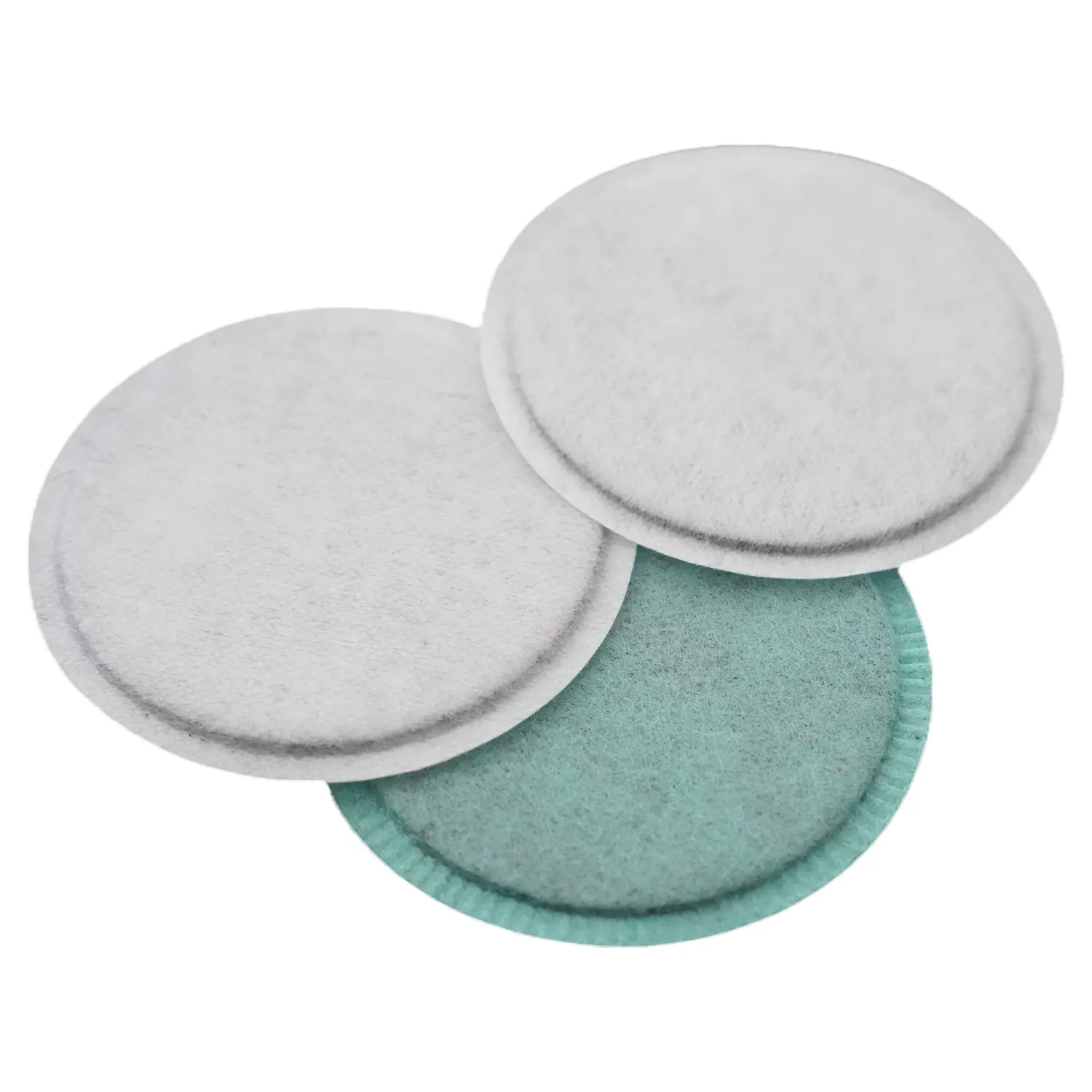
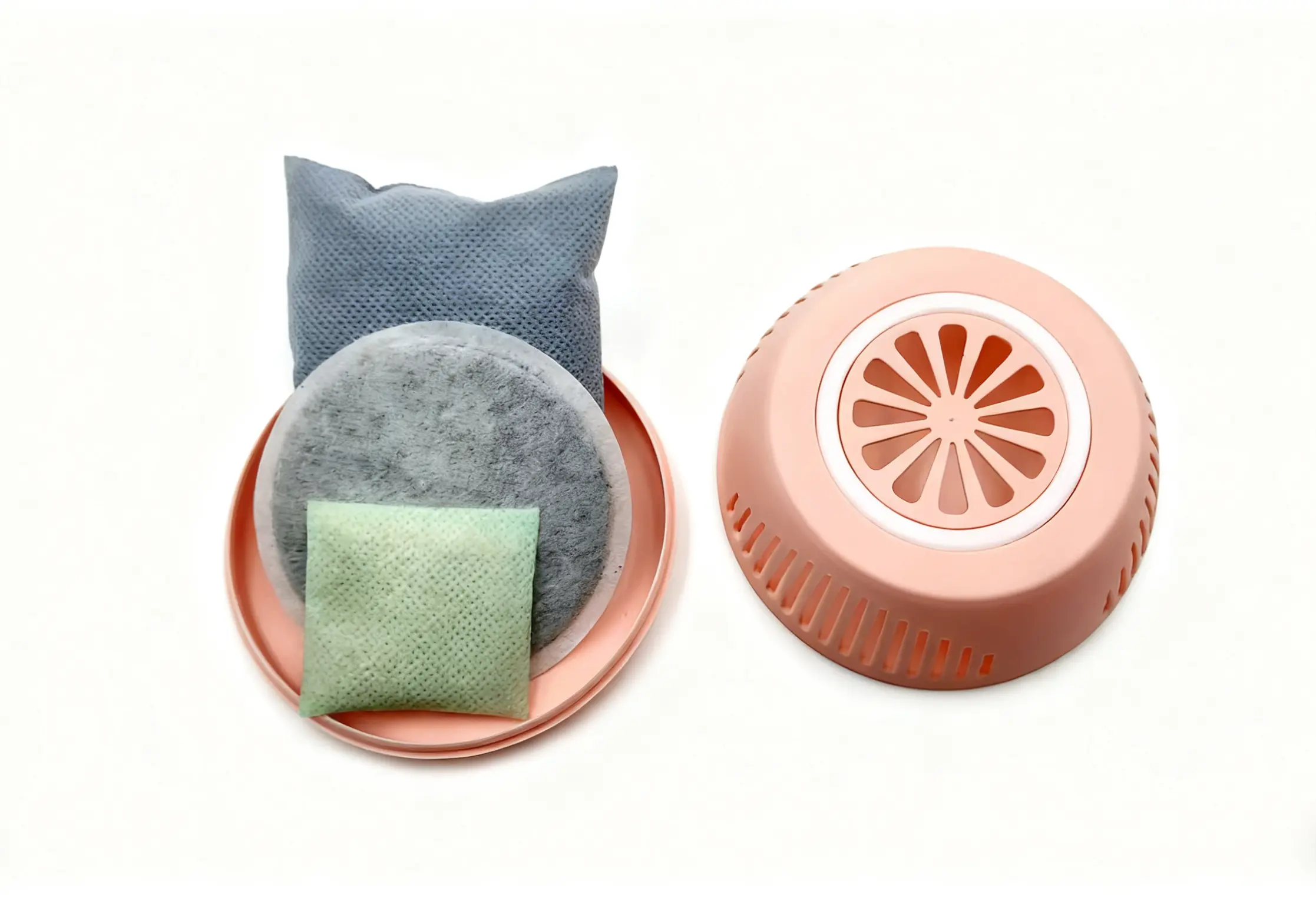
The real breakthrough, the “holy grail” that the industry has been chasing, is a solution that is both effective and elegant. A solution that can selectively “pluck” CO₂ molecules from the air without a massive energy penalty. This has led to the rise of solid sorbent technology, and more specifically, to the development of a groundbreaking new class of materials: the reusable CO₂ Filter.
But how does it work? How can a solid material, operating at normal temperatures, act like a chemical sponge for one of the most elusive gases in our atmosphere? This isn’t magic; it’s a story of clever chemistry, advanced material science, and intelligent engineering. Let’s take a deep dive into the science of how a modern, reusable CO₂ Filter works its magic at ambient temperature.
The “Sorbent” – Designing a Molecular Magnet for CO₂
The heart of any solid-sorbent CO₂ Filter is the sorbent material itself. This is the active ingredient, the “sticky surface” that CO₂ molecules are attracted to. The goal is to design a material that has a high affinity for CO₂ but largely ignores the far more abundant nitrogen, oxygen, and argon molecules in the air.
This process is called adsorption, which is different from absorption.
- Absorption is when one substance is dissolved into the bulk of another, like salt dissolving in water.
- Adsorption is a surface phenomenon, where molecules stick to the outside of a solid material, like tiny magnets snapping onto a metal plate.
Our reusable CO₂ Filter is based on a class of materials known as solid amine sorbents. Here’s a simplified breakdown of the chemistry at play:
The Chemistry of Attraction:
- The Backbone (The “Sponge”): The process starts with a highly porous, high-surface-area substrate. Think of it as a microscopic sponge with a massive internal network of tunnels and caves. This substrate provides the physical structure and maximizes the surface area available for the active chemistry.
- The “Sticky” Functional Group (The “Glue”): This inert backbone is then “functionalized.” We chemically graft specific molecules called amines (-NH₂) onto its surface. Amines are organic compounds containing nitrogen, and they have a natural chemical affinity for the slightly acidic CO₂ molecule.
- The Reversible Reaction: When a stream of air passes over the surface of the CO₂ Filter, the CO₂ molecules come into contact with these amine groups. A weak, reversible chemical bond is formed, creating a carbamate. The CO₂ molecule is now “stuck” to the surface. Crucially, this reaction happens readily and efficiently at ambient temperature and pressure. The nitrogen and oxygen molecules in the air have no interest in this reaction and simply pass by untouched.
This selective, low-energy reaction is the first key to the filter’s efficiency. We don’t need to cool the air or put it under pressure; we just need to ensure the air makes contact with the vast, amine-functionalized surface area inside the CO₂ Filter.
The Structure – From Powder to Engineered Filter
Having a great sorbent powder is one thing, but creating a functional, industrial-scale filter is another. You can’t just have a pile of powder; you need to engineer a structure that allows air to flow through it with minimal resistance while maximizing contact time.
This is where the physical design of the CO₂ Filter comes in.
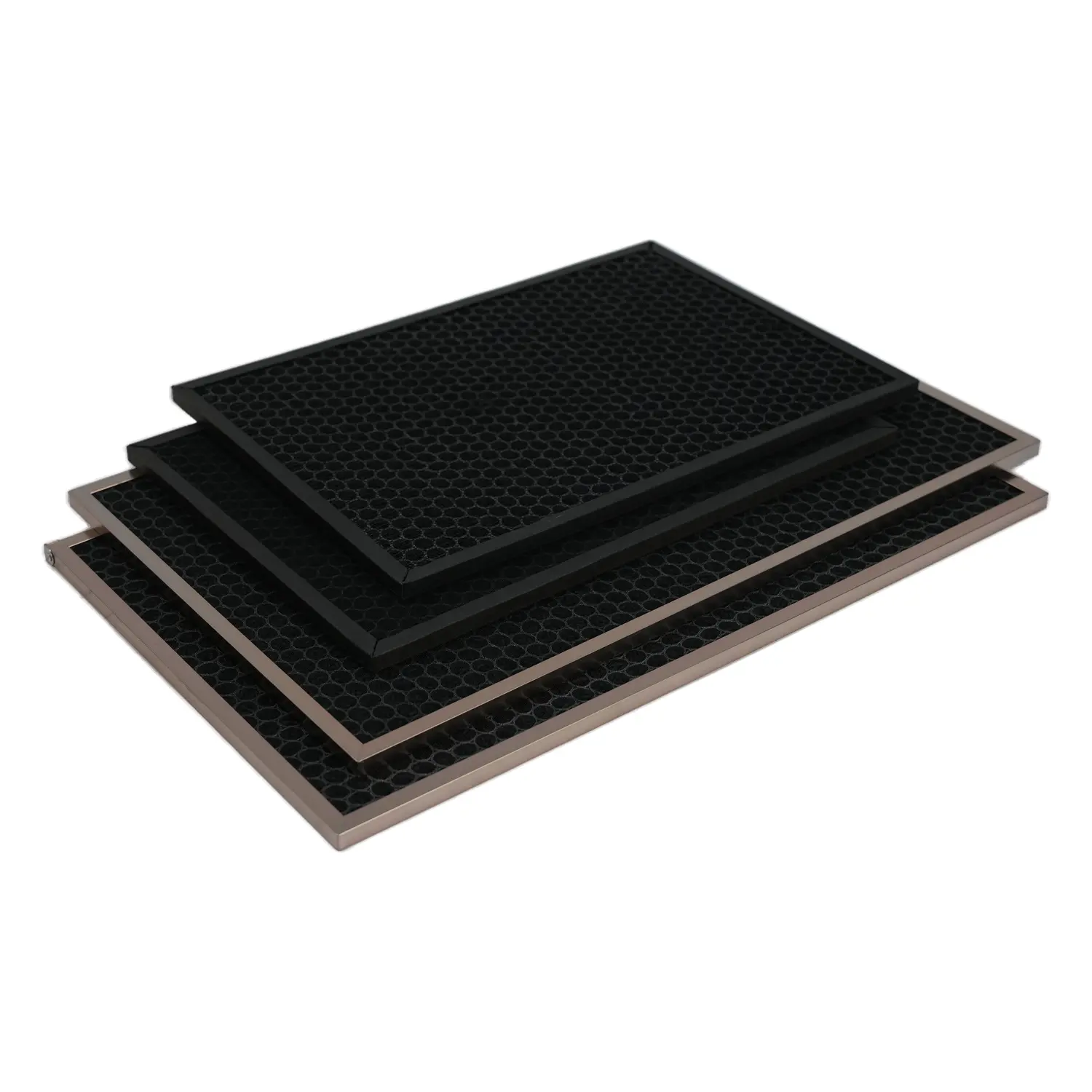
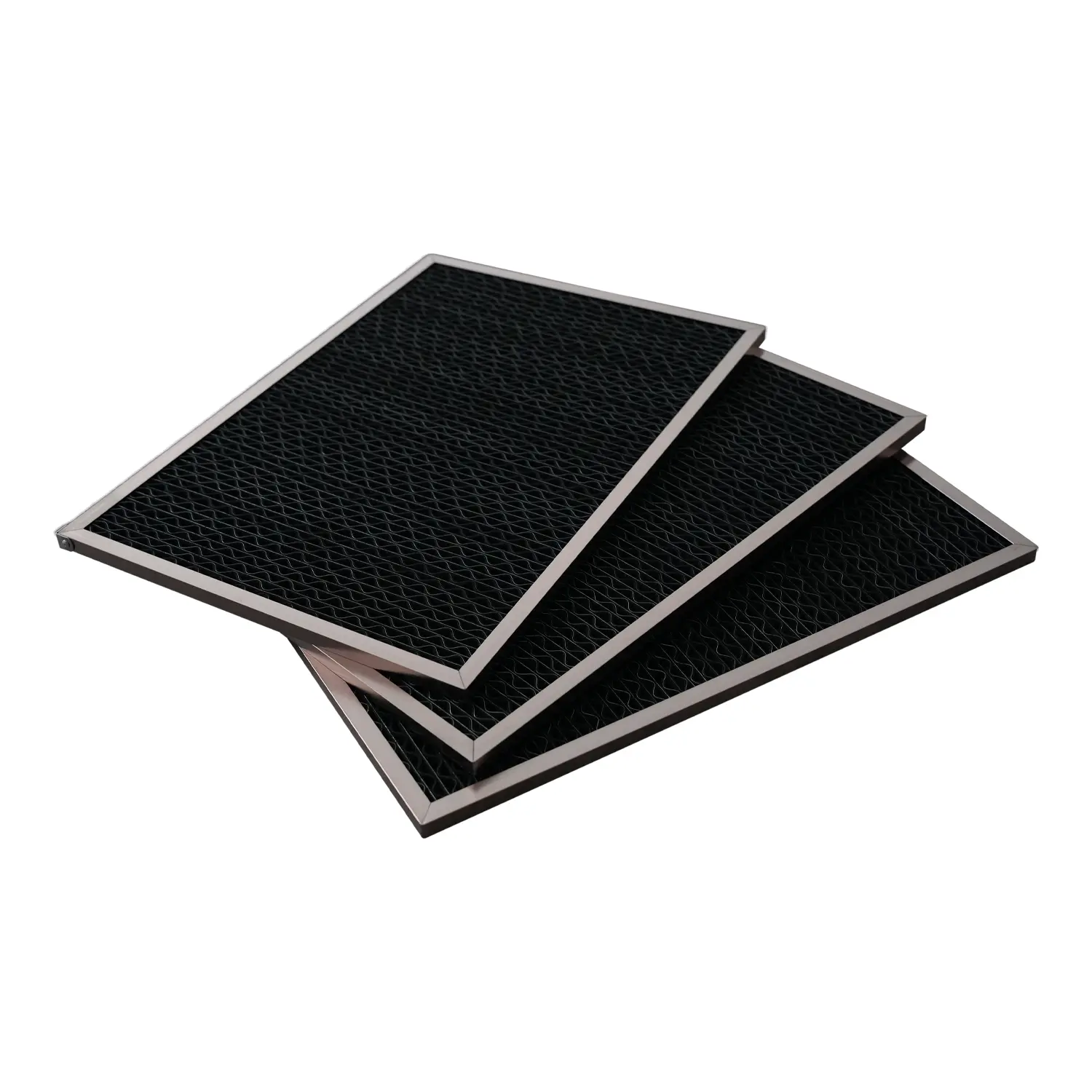
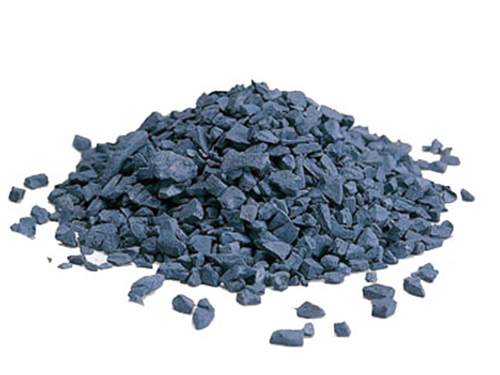
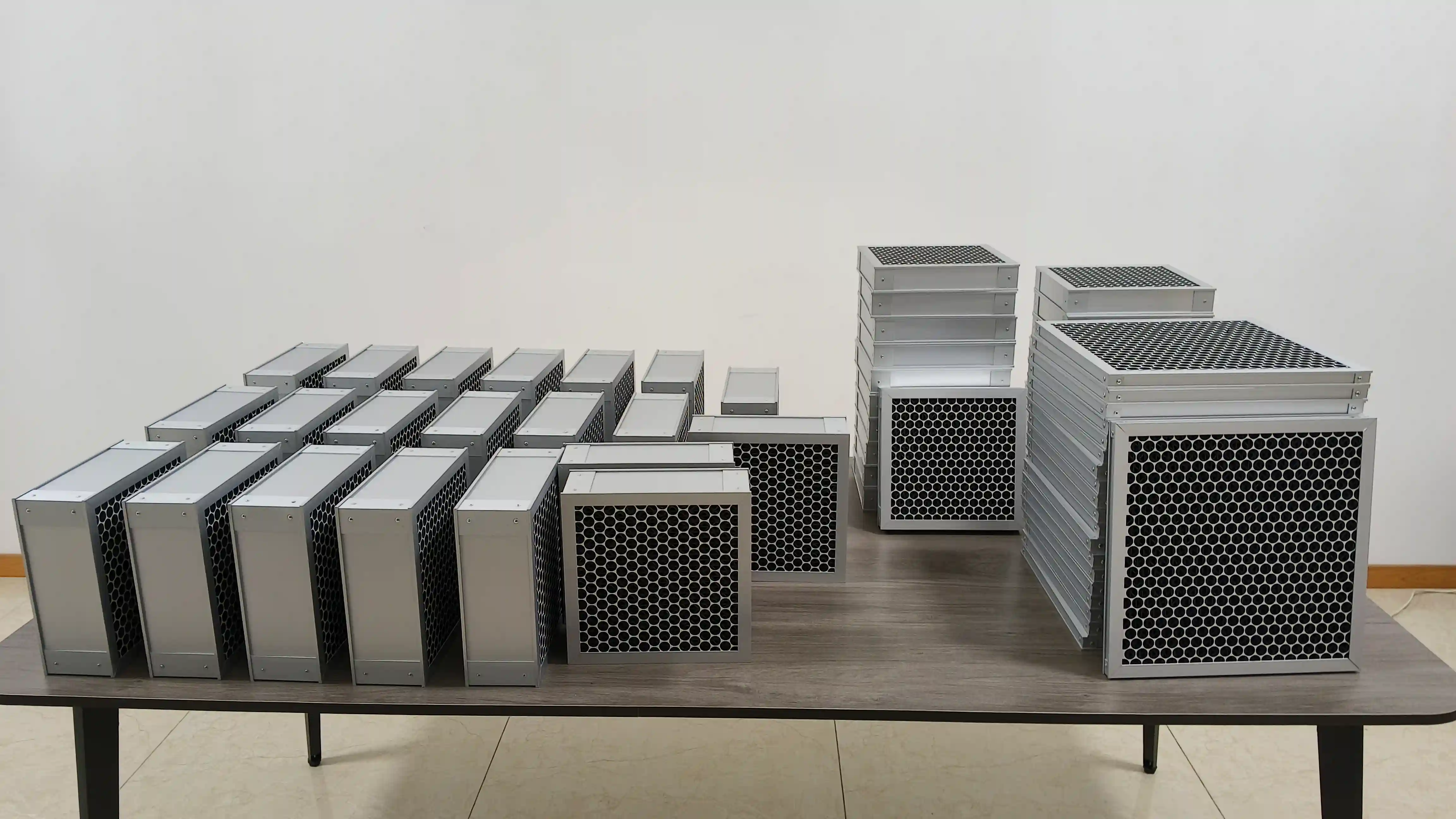
- Monolithic vs. Pelletized: The sorbent material is typically formed into a structured shape. This could be a monolith, which looks like a large honeycomb with many parallel channels, or it could be pelletized into small, uniform beads that are packed into a filter bed.
- Maximizing Contact: The goal of these structures is to force the air to travel through a long, tortuous path, ensuring that every CO₂ molecule has multiple opportunities to bump into an active amine site and get captured.
- Minimizing Pressure Drop: At the same time, the structure must be porous enough to allow a massive volume of air to be pushed through it by fans without requiring a huge amount of energy. A high pressure drop would mean higher energy costs for the fans, defeating the purpose of an energy-efficient system.
The engineering of the CO₂ Filter’s physical form is a delicate balancing act between maximizing the active surface area and minimizing the resistance to airflow. It’s a problem of fluid dynamics and mechanical design, solved to create a filter that is both effective and economical to operate.
The “Swing” – How to Regenerate a Reusable CO₂ Filter
This is the most critical part of the process and what makes the technology truly viable. The CO₂ Filter has now captured a significant amount of CO₂, and its active sites are “saturated.” It can’t hold any more. Now what? We need to get the CO₂ off the filter and collect it, and—this is key—we need to return the filter to its original, active state so it can be used again.
This process is called regeneration, and it’s typically achieved through a “swing” in conditions. Because the bond between the amine and the CO₂ is weak and reversible, we just need to give it a little “nudge” to break it.
For a reusable CO₂ Filter designed to work at ambient temperature, the most common regeneration method is a Temperature Swing Adsorption (TSA) process, specifically, a low-temperature TSA.
The Low-Temperature Swing Cycle:
- Adsorption Phase: Air is passed through the CO₂ Filter at ambient temperature (e.g., 25°C), and CO₂ is captured until the filter is saturated.
- Regeneration Phase: The airflow is stopped, and the filter is isolated. A small amount of low-grade heat is applied, gently warming the filter to a relatively low temperature (typically between 80°C and 120°C). This is a crucial point—we don’t need the high-temperature steam (500°C+) required by some other processes. This low-grade heat can often be supplied by waste heat from other industrial processes, geothermal energy, or solar thermal collectors, making it very energy-efficient.
- Desorption and Collection: The added thermal energy is just enough to break the weak carbamate bonds. The CO₂ molecules are released from the amine sites, and the CO₂ Filter “exhales” a stream of highly concentrated (often >99%) carbon dioxide. This pure CO₂ stream is then collected, compressed, and sent for permanent sequestration underground or for use as a feedstock in other industries (e.g., for making sustainable aviation fuels or concrete).
- Cooling and Reuse: The filter is then cooled back down to ambient temperature, and it is now fully regenerated and ready to begin the next capture cycle.
This ability to be recycled over thousands of cycles with a long service life is the economic cornerstone of the technology. It means the initial cost of the advanced sorbent material is amortized over a huge volume of captured CO₂, which is what drastically cuts the tonnage cost of direct air capture.
The System View – How the Filter Fits into a DAC Plant
A single CO₂ Filter is just one component. A full-scale Direct Air Capture plant will typically have multiple filter units, or “contactors,” operating in a coordinated cycle.
Imagine a carousel with several large filter chambers.
- At any given time, a portion of the chambers is in the adsorption phase, with large fans pushing massive volumes of ambient air through them.
- Simultaneously, another portion of the chambers aisin the regeneration phase. They are sealed off from the outside air and are being gently heated to release their captured CO₂ into a collection manifold.
- Another small portion might be in a cooling phase, getting ready to start a new adsorption cycle.
This continuous, coordinated cycling allows the plant to operate 24/7, constantly “breathing in” ambient air and “exhaling” pure CO₂. The entire process is automated and managed by a central control system.
The beauty of using a solid-sorbent CO₂ Filter that operates at ambient temperature is the simplicity and safety of this design. Unlike liquid solvent systems, there are no corrosive liquids to handle, no risk of spills, and the overall plant engineering is much more straightforward.
The Enabling Technology for a Scalable Climate Solution
The science behind a reusable CO₂ Filter that works at ambient temperature is a beautiful convergence of chemistry and engineering. It’s about designing a material at the molecular level with a “magnetic” attraction to CO₂, and then engineering that material into a physical structure that can efficiently interact with the vastness of our atmosphere.
It solves the DAC puzzle by being:
- Selective: It grabs CO₂ while ignoring the other 99.96% of the air.
- Efficient at Ambient Conditions: It works without the enormous energy penalty of extreme heating or cooling, dramatically lowering operational costs.
- Reusable and Durable: Its long service life and ability to be regenerated thousands of times are what make the economics of DAC finally start to make sense.
This technology is more than just a filter. It is an “enabling technology.” It’s the critical component that allows engineers to design and build Direct Air Capture plants that are cheaper, safer, and more scalable than ever before. It’s the “secret sauce” that is turning the sci-fi concept of sponging the sky into a tangible, deployable, and economically viable tool in our global fight against climate change. The journey to net-zero is long, but with innovations like the modern CO₂ Filter, the path forward has become significantly clearer.