
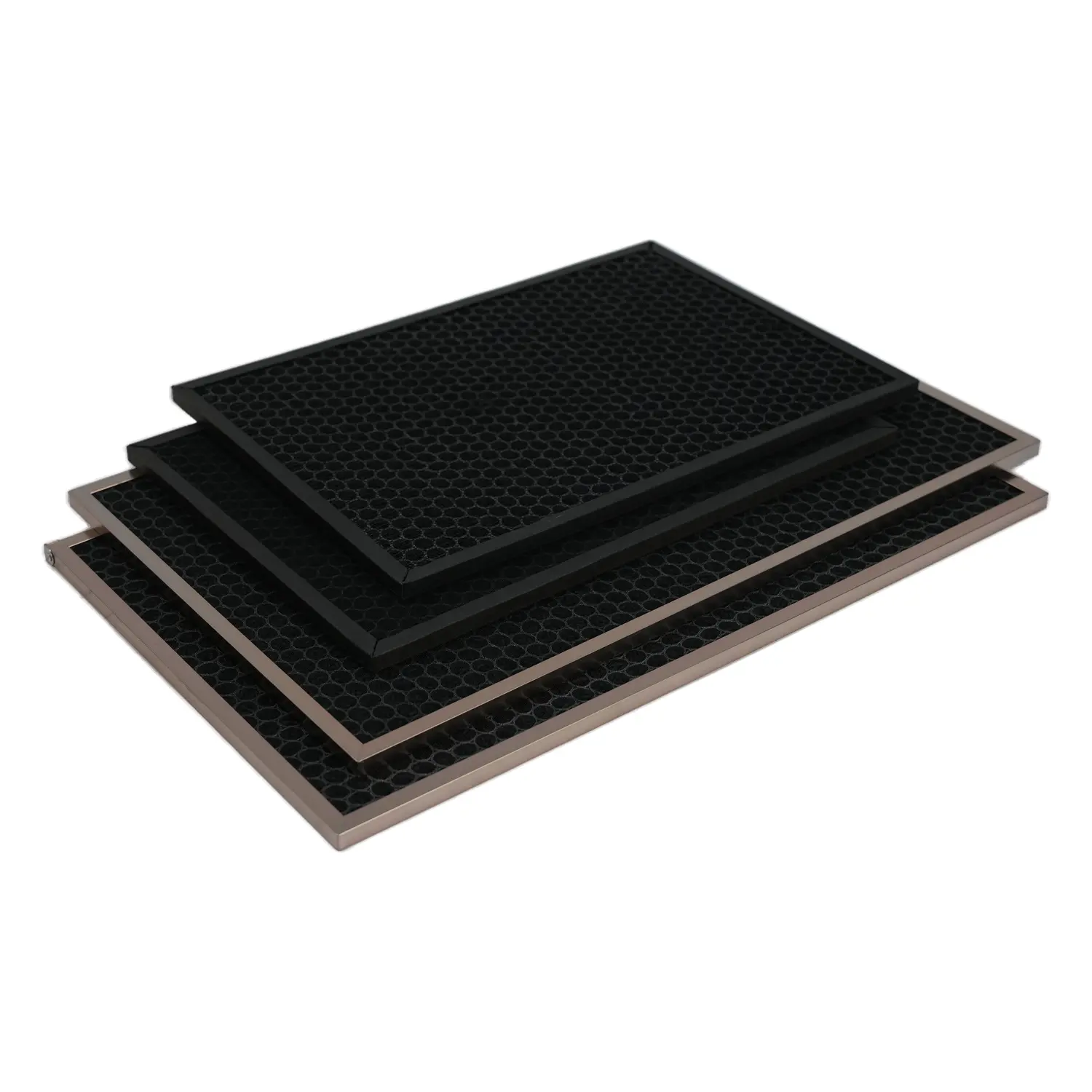
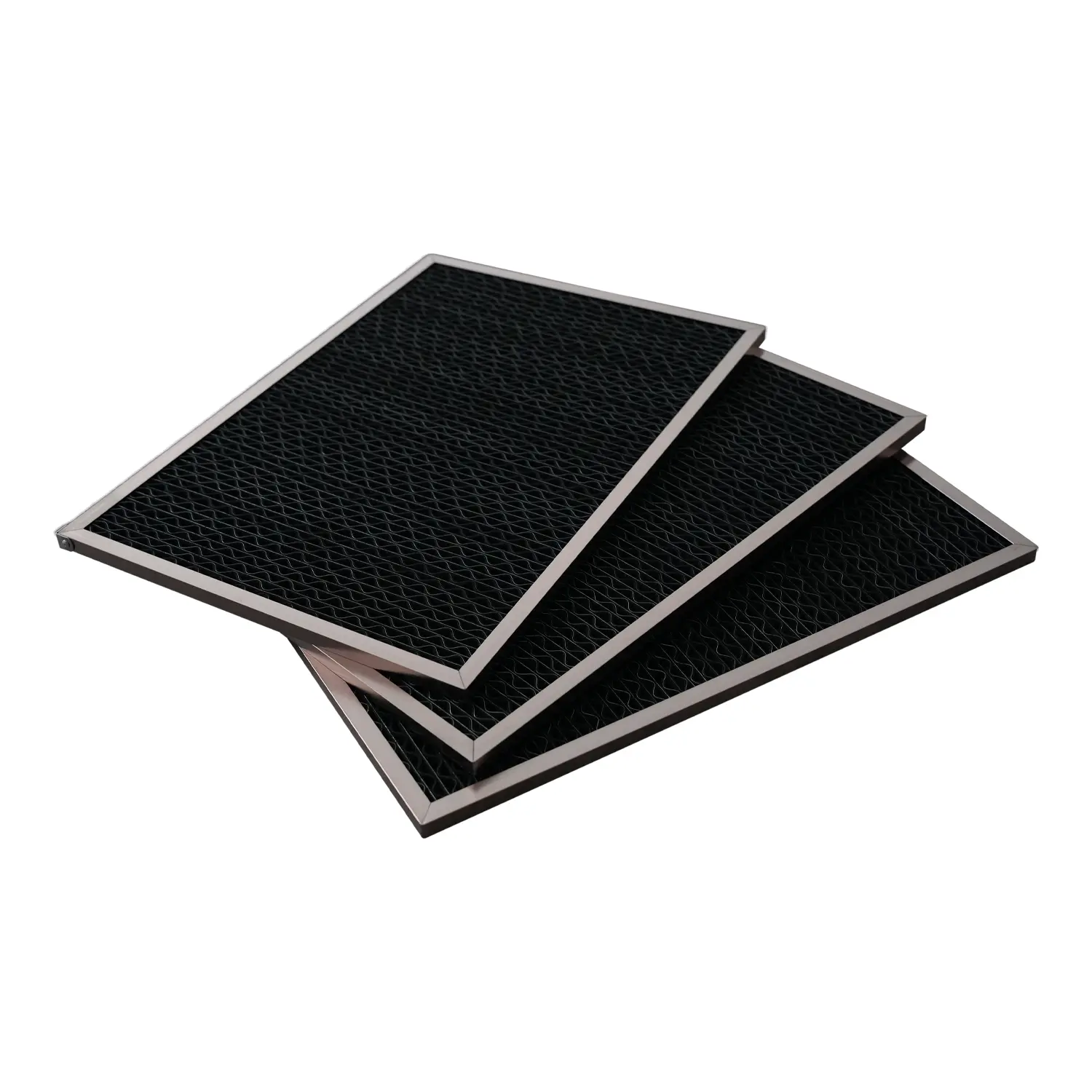
HEPA (High-Efficiency Particulate Air) filters represent the gold standard in air filtration technology for HVAC systems. This comprehensive guide explains HEPA filter construction, operating principles, efficiency ratings, and their critical role in enhancing indoor air quality while optimizing heating and cooling system performance in commercial and industrial environments. Understanding the technical specifications, installation requirements, and performance benefits of HEPA filtration enables B2B decision-makers to select appropriate solutions that deliver measurable improvements in air quality, regulatory compliance, and operational efficiency across healthcare, pharmaceutical, electronics manufacturing, and commercial building applications.
HEPA Filter Technology and Standards
What Defines a True HEPA Filter
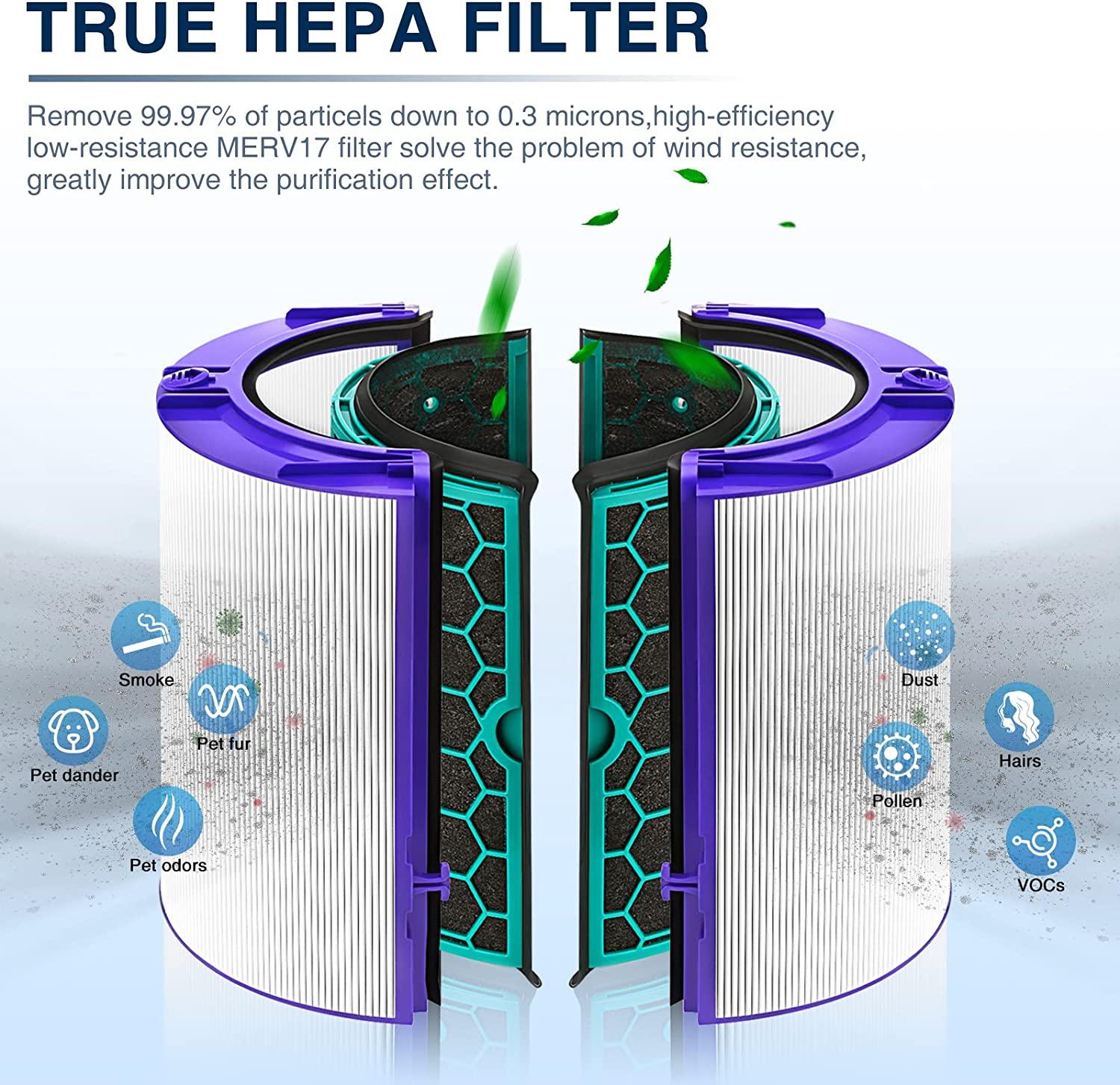
True HEPA filters must meet stringent regulatory standards established by international organizations. According to ISO 29463 and EN 1822 classifications, authentic HEPA filters achieve a minimum 99.97% efficiency at capturing particles measuring 0.3 microns in diameter—the most challenging particle size to filter. This specification separates genuine HEPA technology from “HEPA-type” or “HEPA-like” products that lack certification.
The construction of certified HEPA filters employs specialized glass fiber media arranged in densely packed pleated configurations. These borosilicate glass fibers, typically 0.5-2.0 microns in diameter, create a complex three-dimensional matrix that traps particles through multiple mechanisms. Aluminum or moisture-resistant separators maintain precise pleat spacing, ensuring consistent airflow distribution across the entire filter surface. The frame construction varies by application: galvanized steel for standard commercial use, stainless steel 304/316 for corrosive environments, and powder-coated aluminum for weight-sensitive installations.
Filter classification ranges from H13 (99.95% efficiency) to H14 (99.995% efficiency) under EN 1822 standards, with U15 (99.9995%) designated for ultra-clean applications. Each classification undergoes rigorous testing using paraffin oil (PAO) or dioctyl phthalate (DOP) aerosol challenge testing to verify performance at the Most Penetrating Particle Size (MPPS).
How HEPA Filters Capture Particles
HEPA filtration operates through four distinct physical mechanisms working simultaneously, contrary to the common misconception that filters function as simple sieves. Interception occurs when particles following airstream paths come within one particle radius of a fiber and adhere to its surface. This mechanism dominates for particles in the 0.1-1.0 micron range traveling at moderate velocities.
Impaction captures larger particles (>1.0 micron) that possess sufficient inertia to deviate from air streamlines and collide directly with filter fibers. As air navigates around fibers, heavier particles maintain their trajectory and embed into the media. Diffusion affects ultrafine particles (<0.1 micron) exhibiting Brownian motion—random molecular bombardment causes erratic movement patterns that increase collision probability with fibers despite small particle size.
Electrostatic attraction provides additional capture efficiency when filter media carries static charges. While not required for HEPA certification, many manufacturers incorporate electrostatically charged media to enhance performance without increasing pressure drop.
The MPPS concept identifies 0.3 microns as the most difficult particle size to capture because it’s too large for effective diffusion capture yet too small for efficient interception or impaction. Particles both larger and smaller than 0.3 microns are captured with greater efficiency, which explains why HEPA standards specify testing at this challenging size.
HEPA Filter Integration in HVAC Systems
Design Considerations for HVAC Applications
Successful HEPA integration requires careful analysis of existing HVAC system capacity. HEPA filters introduce pressure drops ranging from 150-300 Pascals (0.6-1.2 inches water gauge) when clean, increasing to 400-500 Pa at recommended replacement intervals. System blowers must provide sufficient static pressure capacity to accommodate this resistance while maintaining design airflow rates.
Airflow rate matching proves critical for optimal performance. Operating HEPA filters below rated airflow reduces efficiency and wastes filter capacity, while excessive velocities increase pressure drop exponentially and may damage media. Standard commercial HEPA filters accommodate airflow rates from 250-2,000 CFM (425-3,400 CMH) depending on filter dimensions and pleat depth. Deep-pleat designs (292mm depth) offer 50-70% greater dust holding capacity compared to standard 150mm configurations, extending service life in high-particulate environments.
Housing compatibility requires verification of mounting dimensions, gasket compression requirements, and structural support capacity. HEPA filters weighing 15-45 kg demand robust mounting frames with reinforced support rails. Retrofit applications may necessitate ductwork modifications to accommodate larger filter dimensions and provide adequate access for installation and replacement procedures.
Installation Requirements and Configurations
Professional HEPA installation mandates multi-stage pre-filtration to protect expensive final filters from premature loading. Typical configurations employ G4 pre-filters (MERV 8) to remove large particles, followed by F7-F9 intermediate filters (MERV 13-15) capturing particles above 1.0 micron. This staged approach extends HEPA service life from 6-12 months to 18-36 months in moderate environments, significantly reducing operational costs.
Gasket sealing prevents bypass leakage that compromises system performance. Closed-cell neoprene or polyurethane gaskets compressed to 25-30% of original thickness create airtight seals between filter frames and housing. Knife-edge seals or fluid gel sealants provide enhanced security for critical applications requiring zero bypass tolerance.
Leak testing verification follows installation using DOP or PAO aerosol scanning procedures per ISO 14644-3 standards. Technicians introduce challenge aerosol upstream while scanning the downstream filter face and frame perimeter with photometers, detecting particle penetration. Acceptable leakage rates remain below 0.01% for standard installations and 0.001% for pharmaceutical or semiconductor applications.
| Filter Class | Efficiency Rating | Initial Pressure Drop | Dust Holding Capacity | Recommended Airflow | Typical Service Life |
|---|---|---|---|---|---|
| H13 (610x610x292mm) | 99.95% @ 0.3μm | 220 Pa | 800-1,200g | 1,700 CMH / 1,000 CFM | 18-24 months |
| H14 (610x610x292mm) | 99.995% @ 0.3μm | 250 Pa | 750-1,100g | 1,700 CMH / 1,000 CFM | 18-24 months |
| H13 (610x610x150mm) | 99.95% @ 0.3μm | 200 Pa | 450-650g | 1,000 CMH / 590 CFM | 12-18 months |
| U15 (610x610x292mm) | 99.9995% @ 0.3μm | 280 Pa | 700-1,000g | 1,500 CMH / 880 CFM | 12-18 months |
Performance Benefits for Commercial HVAC Systems
Indoor Air Quality Improvements
HEPA filtration removes 99.97% of airborne contaminants, including allergens (pollen, pet dander), bacteria (Staphylococcus, Streptococcus), viruses (influenza, coronavirus particles), and mold spores (Aspergillus, Penicillium). This comprehensive particulate removal directly addresses ASHRAE 62.1 ventilation standards for acceptable indoor air quality, reducing occupant exposure to respiratory irritants and infectious agents.
In healthcare environments, HEPA filtration maintains ISO Class 7 (Class 10,000) to ISO Class 5 (Class 100) cleanroom conditions required for surgical suites, pharmaceutical compounding areas, and isolation rooms housing immunocompromised patients. The technology prevents cross-contamination between spaces and controls airborne transmission of healthcare-associated infections.
Electronics manufacturing facilities utilize HEPA filtration to achieve ISO 14644-1 Class 6 or cleaner conditions, protecting sensitive semiconductor wafers and disk drives from particle-induced defects. Each 0.3-micron particle represents a potential yield loss in nanometer-scale manufacturing processes where component features measure 5-10 nanometers.
Energy Efficiency and System Longevity
HEPA filters protect downstream HVAC components from particulate accumulation that degrades performance and accelerates wear. Clean cooling coils maintain design heat transfer coefficients, preventing the 20-30% capacity losses observed in unfiltered systems after 12-18 months of operation. Reduced coil fouling eliminates the need for annual chemical cleaning procedures costing $800-2,500 per air handling unit.
Fan motor protection extends equipment service life by preventing bearing contamination and blade imbalance. Particulate buildup on fan wheels creates vibration that damages bearings and increases energy consumption by 8-15% as motors work harder to maintain airflow against increased resistance. HEPA pre-filtration maintains fan efficiency within 3-5% of design specifications throughout equipment lifespan.
Variable air volume (VAV) system dampers and actuators benefit from particulate-free airstreams that prevent binding and ensure precise flow control. Maintaining damper operation accuracy reduces zone temperature variations and eliminates the hot/cold complaints that trigger unnecessary service calls costing $150-400 per incident.
Application Scenarios and Industry Use Cases
Critical Environments Requiring HEPA Filtration
Healthcare facilities mandate HEPA filtration in operating rooms to maintain positive pressure differentials of 2.5-15 Pa relative to adjacent corridors, preventing corridor contaminants from entering sterile fields. Protective environment rooms housing bone marrow transplant patients require ≥12 air changes per hour with HEPA-filtered supply air to reduce infection risk for severely immunocompromised individuals.
Pharmaceutical manufacturing cleanrooms must comply with EU GMP Annex 1 and FDA 21 CFR Part 211 requirements specifying HEPA filtration for Grade A/B environments where sterile products contact open containers. Terminal HEPA filters provide the final barrier preventing viable and non-viable particle contamination of injectable medications, ophthalmic solutions, and biologics.
Electronics production cleanrooms utilize HEPA filtration to achieve particle counts below 352 particles/m³ (≥0.5μm) for ISO Class 6 conditions required in semiconductor fabrication, disk drive assembly, and flat panel display manufacturing. Each particle represents a potential defect causing circuit failures or optical imperfections in finished products.
Commercial Building Applications
Modern office buildings implement HEPA filtration to address sick building syndrome and enhance occupant productivity. Studies demonstrate 6-9% productivity improvements in HEPA-filtered environments due to reduced respiratory symptoms, fewer headaches, and improved cognitive function. For organizations with $50,000-80,000 average annual salary costs per employee, productivity gains justify HEPA investment within 8-14 months.
Hotels deploy HEPA filtration in premium suites and conference facilities to differentiate service offerings and accommodate guests with respiratory sensitivities or allergies. HEPA-filtered guestrooms command 12-18% rate premiums in competitive markets while reducing housekeeping costs through decreased dust accumulation on surfaces.
Educational institutions install HEPA systems to reduce student absenteeism attributed to respiratory illnesses and allergies. Research indicates 3-5% reductions in absence rates in HEPA-filtered schools, translating to improved academic performance and increased per-pupil funding in attendance-based allocation systems.
Data centers protect mission-critical servers and networking equipment from particulate-induced failures using HEPA filtration. Zinc whisker contamination from raised floor systems and concrete dust from building structures cause short circuits in densely packed server racks. HEPA filtration prevents these failures that cost $5,000-25,000 per incident in downtime and equipment replacement.
Selection Criteria and Procurement Guidelines
Key Specifications for B2B Buyers
Filter class selection depends on application requirements and regulatory mandates. H13 filters suffice for general commercial applications, office buildings, and light industrial environments where 99.95% efficiency meets air quality objectives. H14 classification becomes necessary for healthcare isolation rooms, pharmaceutical manufacturing, and electronics assembly, where 99.995% efficiency provides the required contamination control margins.
Frame material selection balances cost, durability, and environmental compatibility. Galvanized steel frames offer the lowest initial cost ($85-150 per filter) with adequate corrosion resistance for standard HVAC applications. Stainless steel 304 construction ($180-280 per filter) suits high-humidity environments, food processing facilities, and pharmaceutical cleanrooms requiring washdown capability. Aluminum frames ($120-200 per filter) provide weight reduction for ceiling-mounted installations and applications requiring frequent filter changes.
Media type influences dust holding capacity and service life. Mini-pleat configurations with 40-50mm pleat depth offer compact designs for space-constrained installations but require replacement every 12-18 months. Deep-pleat designs with 292mm depth provide 60-80% greater dust holding capacity, extending service intervals to 24-36 months despite 25-30% higher initial costs. The extended service life reduces labor costs for filter changes and minimizes production disruptions in 24/7 operations.
Fire resistance ratings prove critical for building code compliance and insurance requirements. Class 1 or Class A fire-rated filters meeting UL 900 standards prevent flame propagation in HVAC systems, satisfying requirements for high-rise buildings, healthcare facilities, and institutional occupancies.
Cost-Benefit Analysis
Initial HEPA filter investment ranges from $150-450 per unit depending on size and classification, compared to $15-45 for standard pleated filters. However, the total cost of ownership analysis reveals favorable economics over 3-5 year periods. HEPA filtration reduces HVAC maintenance costs by 30-40% through decreased coil cleaning frequency, extended fan motor life, and reduced service calls for air quality complaints.
Replacement cycle planning should account for pressure drop monitoring rather than arbitrary time-based schedules. Installing differential pressure gauges ($80-200 per gauge) enables condition-based replacement when filters reach 400-500 Pa resistance, maximizing dust holding capacity utilization. This approach extends average service life by 15-25% compared to fixed replacement schedules.
Energy cost implications require careful evaluation. While HEPA filters increase fan energy consumption by 8-15% due to higher pressure drops, this penalty diminishes as standard filters load and approach HEPA pressure drop levels. Over complete service cycles, energy cost differences narrow to 3-6%, partially offset by improved system efficiency from cleaner components.
HEPA filters deliver measurable improvements in HVAC system performance through superior particulate removal, protecting both occupant health and mechanical equipment. The technology’s proven 99.97% efficiency at 0.3 microns addresses regulatory requirements across healthcare, pharmaceutical, electronics, and commercial building applications while reducing maintenance costs and extending equipment service life. For B2B decision-makers, selecting appropriately rated HEPA filtration based on application-specific requirements ensures regulatory compliance, operational efficiency, and long-term return on investment. The initial premium for HEPA technology—typically 3-8 times standard filter costs—generates positive returns within 18-30 months through reduced maintenance expenses, improved system efficiency, and enhanced indoor air quality that supports occupant productivity and satisfaction in commercial and industrial facilities.