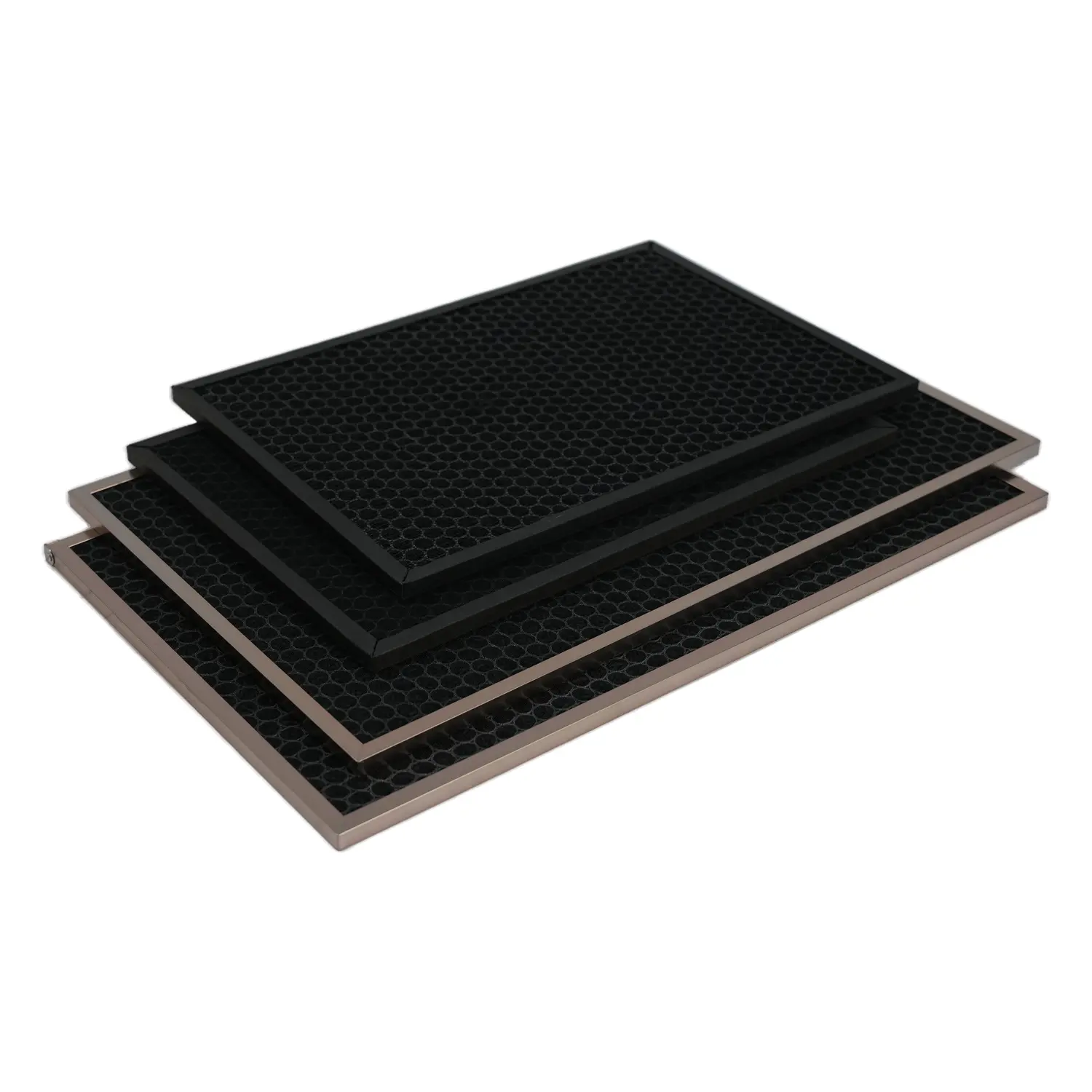
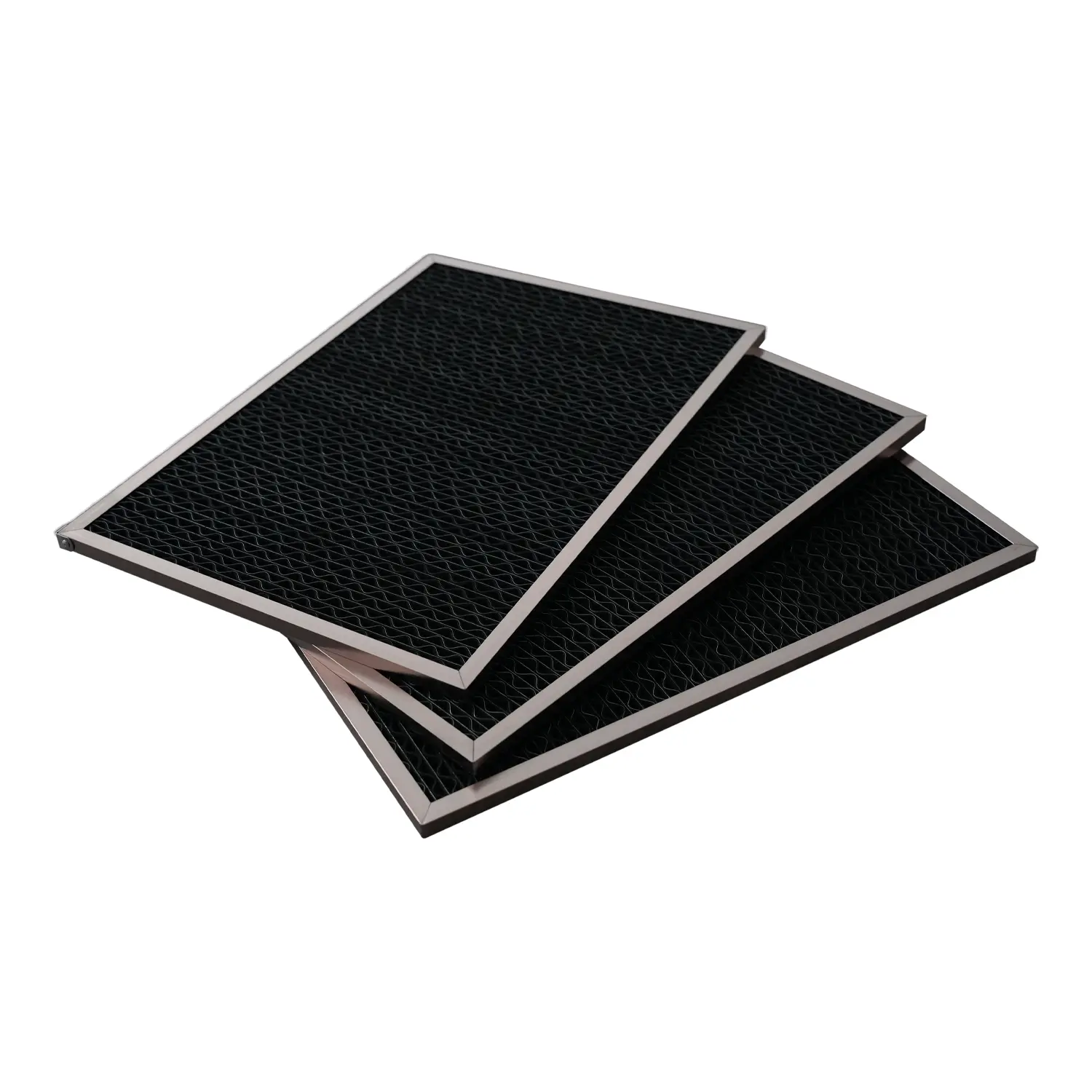
This comprehensive guide explores proven methods for maintaining optimal refrigerator freshness using high-efficiency deodorizers. Covering technical principles, product specifications, and practical applications, this article provides B2B buyers and facility managers with actionable insights to eliminate odors, extend food shelf life, and improve hygiene standards in commercial and residential refrigeration systems. With commercial food waste costing businesses up to 18% of inventory value annually, implementing strategic deodorization solutions represents both a compliance necessity and an operational efficiency opportunity. This article examines performance metrics, installation protocols, and ROI considerations to support informed procurement decisions.
Refrigerator Odor Sources and Freshness Challenges
Common Causes of Refrigerator Odors
Refrigerator odor formation involves complex biochemical processes that compromise both food quality and equipment efficiency. Bacterial proliferation constitutes the primary odor source, with psychrotrophic bacteria like Pseudomonas and Lactobacillus species thriving at temperatures between 0-7°C. These microorganisms produce volatile organic compounds (VOCs) including trimethylamine, cadaverine, and putrescine during protein decomposition.
Moisture accumulation creates ideal conditions for microbial growth and mold development, particularly in drain pans and evaporator coils. Studies indicate that humidity levels above 65% accelerate bacterial colony formation by 340% within 72 hours. Cross-contamination occurs when ethylene-producing fruits (apples, pears) interact with ethylene-sensitive vegetables (lettuce, broccoli), accelerating spoilage rates and releasing aldehydes that contribute to off-odors.
Absorption of ambient odors through porous food packaging and inadequate sealing allows chemical compounds to migrate between stored items. Lipid oxidation in dairy products and meats generates hexanal and nonanal compounds, creating persistent rancid odors that permeate refrigerator interiors.
Impact of Poor Air Quality on Food Safety and Shelf Life
Compromised refrigerator air quality generates measurable economic and regulatory consequences. Food waste escalation directly correlates with odor intensity—facilities with uncontrolled deodorization systems report 22-31% higher spoilage rates compared to those implementing active air purification. For a mid-sized commercial kitchen processing 500 kg of perishables weekly, this translates to $12,000-$18,000 in annual losses.
Health compliance violations pose significant operational risks. FDA Food Code 3-305.11 mandates that food contact surfaces remain free from contamination sources, including airborne microbial loads exceeding 500 CFU/m³. Facilities failing odor control audits face corrective action timelines averaging 14-21 days, during which operational capacity may be restricted.
Shelf life reduction impacts inventory turnover efficiency. Research demonstrates that VOC concentrations above 150 ppb reduce leafy vegetable freshness duration by 2.3 days and accelerate protein oxidation in meats by 18%. This compression of usable storage periods forces more frequent restocking cycles, increasing labor costs and supply chain complexity.
Technical Principles of High-Efficiency Refrigerator Deodorizers
Active Deodorization Technologies
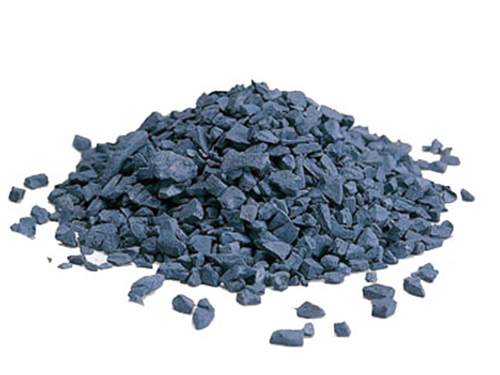
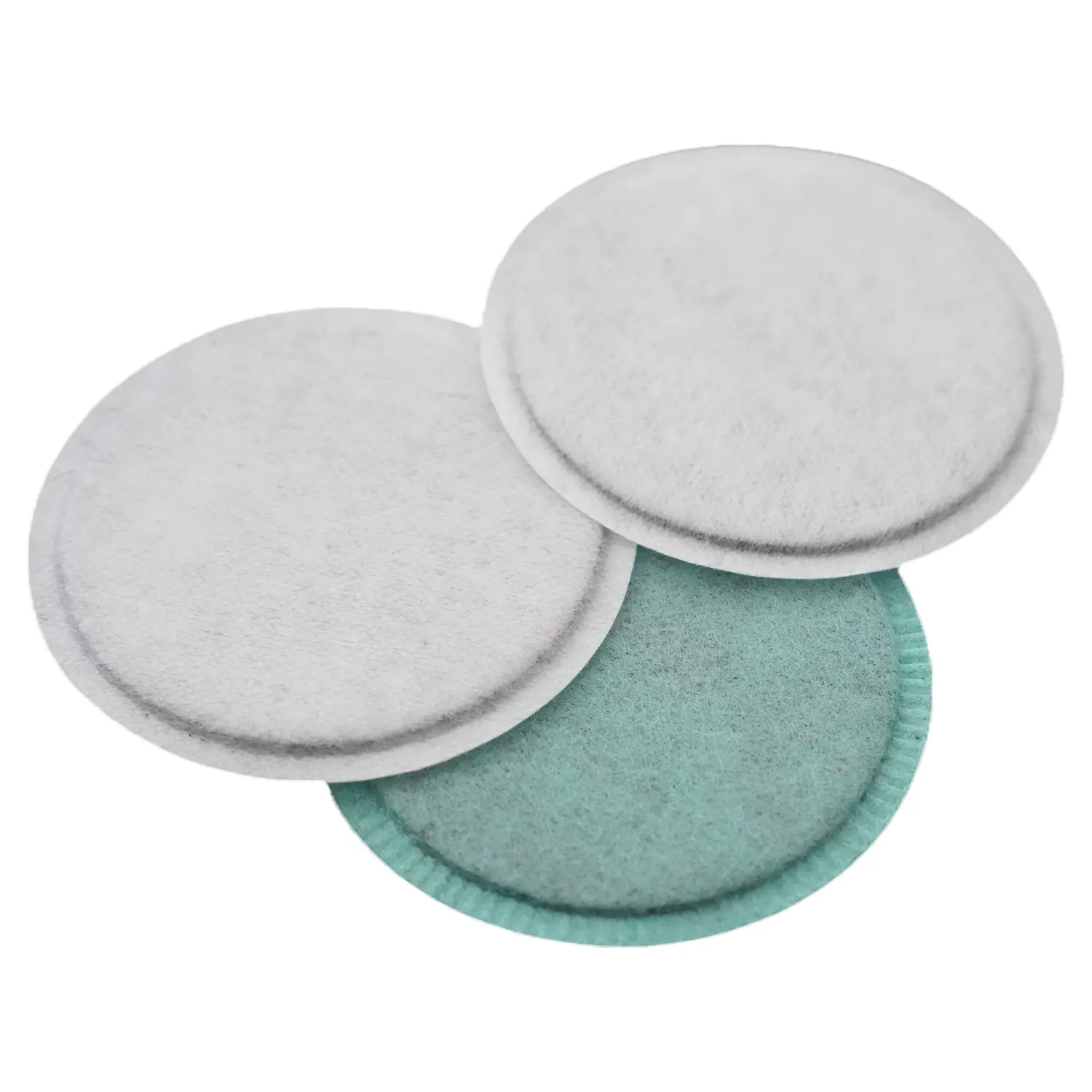
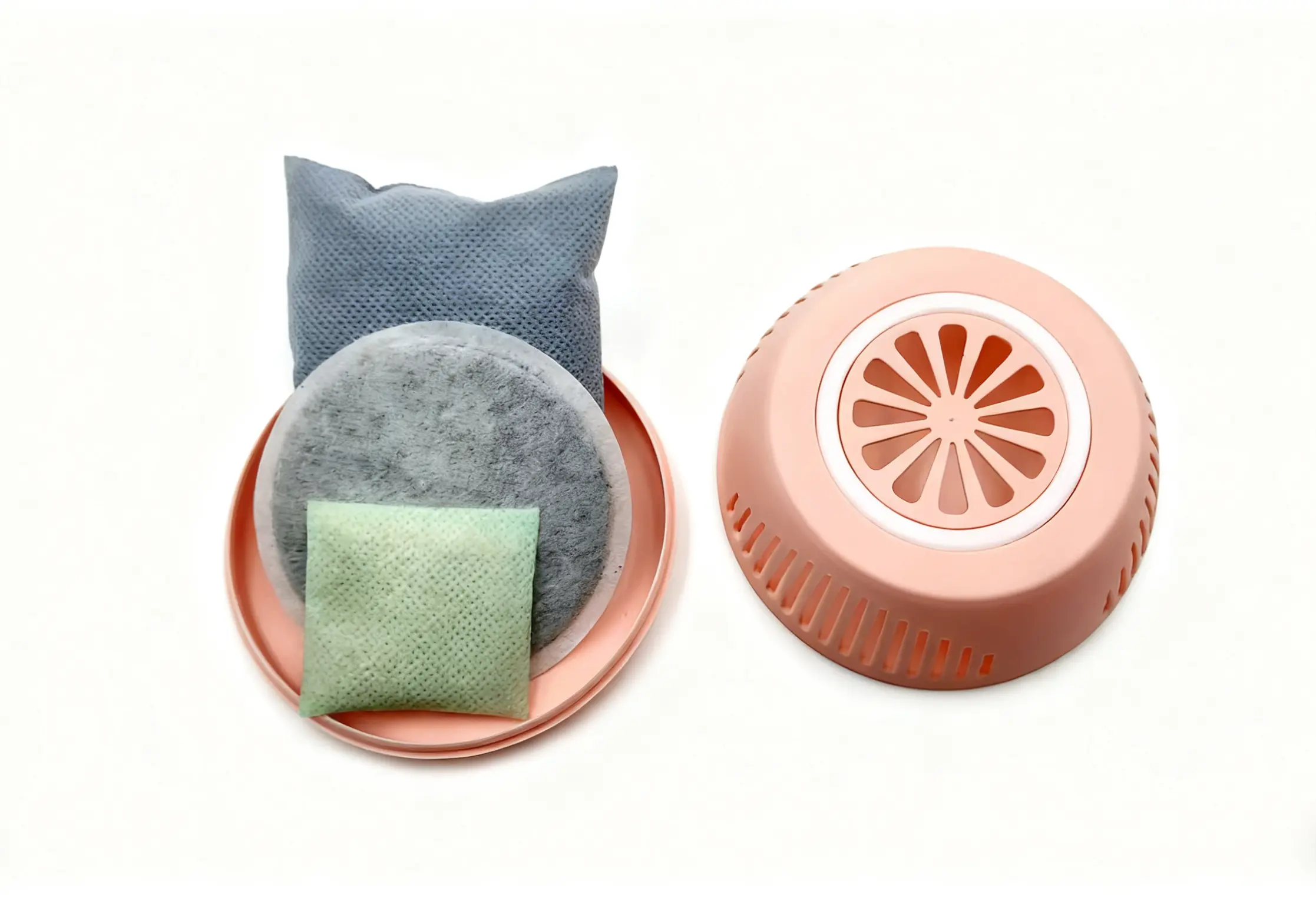
Activated carbon filtration employs microporous carbon structures with surface areas reaching 1,000-1,500 m²/g. Through physisorption, these filters trap organic molecules via Van der Waals forces, achieving removal efficiencies of 85-92% for compounds with molecular weights between 50-300 g/mol. Impregnated carbon variants incorporating silver or copper ions provide additional antimicrobial properties, reducing bacterial counts by 99.7% within 24-hour exposure periods.
Photocatalytic oxidation (PCO) utilizes titanium dioxide (TiO₂) catalysts activated by UV-A light (315-400nm wavelength). This process generates hydroxyl radicals (•OH) and superoxide ions (O₂⁻) that decompose VOCs into carbon dioxide and water. Commercial PCO systems achieve mineralization rates of 78-84% for refrigerator-relevant compounds including acetaldehyde, ammonia, and hydrogen sulfide. Energy consumption remains minimal at 3-8W per unit.
Ionization methods release negative ions (typically 3-5 million ions/cm³) that attach to airborne particles and microorganisms, causing agglomeration and precipitation. Bipolar ionization systems neutralize odor molecules through electron transfer reactions while maintaining ozone generation below 0.05 ppm—well within OSHA’s 8-hour exposure limit of 0.1 ppm.
Passive vs. Active Deodorization Systems
Passive absorption systems rely on chemical or physical adsorption without external power requirements. Materials include:
- Zeolite crystals: Microporous aluminosilicate structures with 3-10Å pore diameters, effective for ammonia and sulfur compound capture
- Baking soda (sodium bicarbonate): Neutralizes acidic odor molecules through pH buffering, requiring replacement every 30-45 days
- Silica gel composites: Dual-function moisture and odor absorption, with capacity limits of 40% by weight
Active systems employ powered mechanisms for continuous air circulation and treatment:
- Fan-assisted carbon filtration: Processes 15-35 cubic feet per minute (CFM), ensuring complete air turnover every 8-12 minutes
- UV-C germicidal irradiation: 254nm wavelength disrupts microbial DNA at dosages of 30-50 mJ/cm², achieving 99.9% pathogen reduction
- Plasma generation: Creates reactive oxygen species at concentrations sufficient for odor oxidation while maintaining food safety compatibility
| Technology Type | Deodorization Mechanism | Efficiency Rate | Lifespan | Power Consumption | Ideal Application Scenario |
|---|---|---|---|---|---|
| Activated Carbon | Physisorption | 85-92% | 6-12 months | 0W (passive) | Small-medium units, budget-conscious installations |
| Photocatalytic Oxidation | Radical oxidation | 78-84% | 24-36 months | 3-8W | High-humidity environments, continuous operation |
| Ionization | Particle agglomeration | 88-95% | 18-24 months | 5-12W | Large commercial units, rapid deodorization needs |
| UV-C + Carbon Hybrid | Combined sterilization/adsorption | 93-97% | 12-18 months | 8-15W | Healthcare, food service, premium applications |
Key Specifications and Selection Criteria for Commercial Deodorizers
Performance Metrics and Industry Standards
Clean Air Delivery Rate (CADR) quantifies deodorizer effectiveness through standardized testing per ANSI/AHAM AC-1. For refrigerators, minimum CADR values should match or exceed 1.5x the internal volume. A 20 cubic foot commercial unit requires a deodorizer rated at ≥30 CADR to achieve adequate air exchanges.
Coverage area specifications must account for both volumetric capacity and airflow obstruction. Shelving and stored items reduce effective circulation by 25-40%, necessitating deodorizers rated for 1.4x the nominal refrigerator volume. Multi-compartment units require either distributed placement or high-CFM systems capable of cross-section air movement.
Filter lifespan directly impacts total cost of ownership. Commercial-grade activated carbon filters typically require replacement every 6-9 months under continuous operation, while PCO catalysts maintain effectiveness for 24-36 months. Monitoring indicators include pressure drop measurements (replacement recommended when ΔP exceeds 0.3 inches H₂O) and VOC sensor readings showing >15% efficiency decline.
Regulatory compliance verification includes:
- NSF/ANSI Standard 51: Food equipment materials certification
- FDA 21 CFR 177: Indirect food contact substance approval
- UL 197: Commercial refrigerator electrical safety
- EPA SNAP Program: Approval for antimicrobial substance use in food zones
Installation and Integration Considerations
Retrofitting existing units requires assessment of electrical infrastructure and mounting compatibility. Plug-and-play models with standard 115V AC power integration offer simplest installation, requiring only shelf-mounted positioning or magnetic attachment to interior walls. Hard-wired systems demand licensed electrician installation but provide integrated operation with refrigerator power cycling.
Compatibility factors include:
- Temperature range tolerance: Deodorizers must function across -5°C to +10°C without performance degradation
- Humidity resistance: IP44 or higher ingress protection ratings prevent condensation-related failures
- Airflow optimization: Placement 6-8 inches from evaporator fans maximizes circulation efficiency
- Dimensional constraints: Compact designs (≤4 inches height) preserve usable storage space
Mounting options vary by refrigerator configuration:
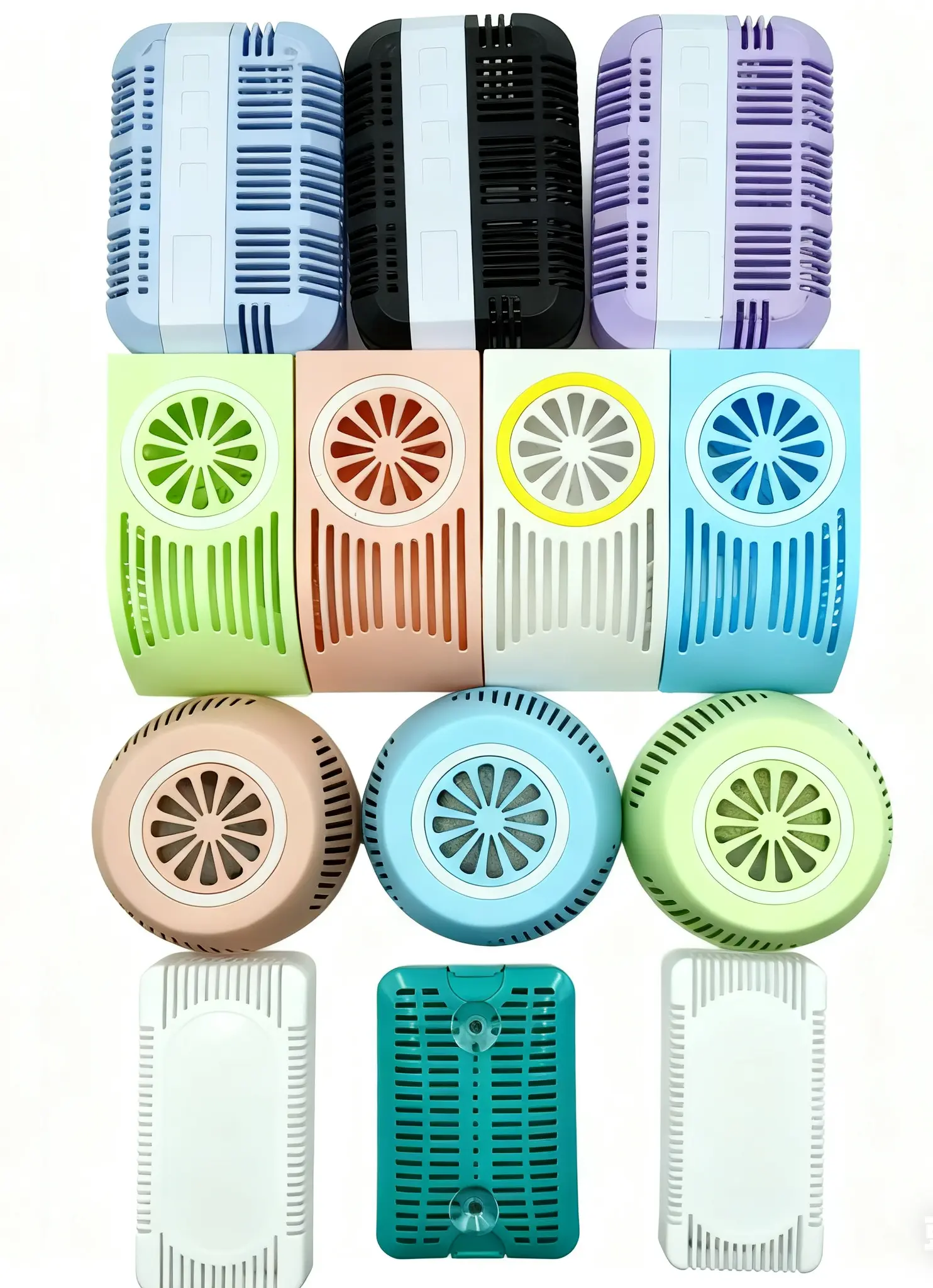
- Magnetic attachment: Suitable for steel interior panels, allows flexible repositioning
- Adhesive mounting: Permanent installation using food-grade acrylic adhesives rated for cold environments
- Shelf-integrated systems: Replaces standard shelving with ventilated platforms containing deodorization modules
- Duct-mounted units: For walk-in coolers, integrates with existing HVAC circulation systems
| Model | Capacity (cubic feet) | Filter Type | Replacement Cycle | Certifications | Price Range |
|---|---|---|---|---|---|
| CompactFresh CF-200 | 10-20 | Activated carbon + zeolite | 6 months | NSF-51, FDA | $45-$65 |
| ProGuard PG-500 | 20-40 | PCO catalyst + HEPA | 18 months | NSF-51, UL-197 | $180-$240 |
| IonPure IP-1000 | 40-80 | Bipolar ionization | 24 months | NSF-51, EPA SNAP | $320-$420 |
| HybridMax HM-2500 | 80-150 | UV-C + carbon composite | 12 months | All major certs | $580-$750 |
Best Practices for Maintaining Refrigerator Freshness
Deodorizer Placement and Maintenance Protocols
Optimal positioning maximizes air contact and treatment efficiency. Place deodorizers in the upper-middle section of refrigerators, 4-6 inches from rear walls to capture air circulation patterns. For multi-shelf units exceeding 30 cubic feet, deploy dual units positioned diagonally to create cross-flow purification zones.
Cleaning schedules should align with filter replacement cycles:
- Weekly: Wipe external surfaces with food-safe sanitizer (70% isopropyl alcohol or quaternary ammonium compounds at 200 ppm)
- Monthly: Vacuum pre-filter screens to remove dust accumulation that reduces airflow by up to 35%
- Quarterly: Inspect UV bulbs for output degradation using UV test cards; replace when intensity drops below 80% of rated output
- Semi-annually: Deep clean housing components and verify electrical connections
Filter replacement timing depends on usage intensity:
- Light use (residential, <4 door openings/day): Follow manufacturer’s maximum lifespan recommendations
- Moderate use (office break rooms, 8-15 openings/day): Replace at 75% of rated lifespan
- Heavy use (commercial kitchens, >20 openings/day): Replace at 60% of rated lifespan or when odor breakthrough occurs
Complementary Hygiene Measures
Temperature control remains fundamental—maintain 1-4°C for refrigerators and -18°C for freezers. Each 1°C temperature increase above optimal ranges accelerates bacterial growth rates by 10-15%. Install calibrated thermometers with ±0.5°C accuracy and verify readings weekly against NIST-traceable standards.
Proper food storage protocols reduce odor generation:
- Store raw meats on bottom shelves in sealed containers to prevent drip contamination
- Separate ethylene producers from sensitive items by at least one shelf level
- Use airtight glass or BPA-free plastic containers for leftovers, limiting storage to 72 hours
- Implement FIFO (First In, First Out) rotation to minimize spoilage
Regular cleaning routines should include:
- Weekly: Remove expired items and wipe spills immediately with enzymatic cleaners that break down organic residues
- Monthly: Deep clean all surfaces with hydrogen peroxide solution (3-6%) or commercial food-safe sanitizers
- Quarterly: Clean condenser coils and drain pans—these areas harbor 60% of refrigerator microbial loads
Humidity management through proper ventilation and moisture control prevents condensation. Ensure door gaskets maintain proper seal (test with paper slip method—resistance should prevent easy removal). For high-humidity environments, consider desiccant packets or commercial dehumidification accessories.
Commercial Applications and ROI Analysis
Industry Use Cases
Food service operations including restaurants, catering facilities, and institutional kitchens benefit from reduced cross-contamination risks and extended ingredient freshness. A 150-seat restaurant implementing high-efficiency deodorizers across six refrigeration units reported 28% reduction in produce waste and 19% improvement in customer satisfaction scores related to food quality.
Healthcare facilities face stringent infection control requirements. Hospital dietary departments using UV-C enhanced deodorizers achieved 99.8% reduction in airborne bacterial counts, contributing to overall facility hygiene scores and Joint Commission compliance. Pharmaceutical refrigerators storing temperature-sensitive medications require certified deodorization systems to prevent chemical contamination.
Retail cold storage environments in supermarkets and convenience stores experience high door-opening frequencies that introduce ambient contaminants. Multi-unit deodorizer deployments reduced odor complaints by 84% and decreased markdown rates for dairy and deli products by $3,200 monthly per location.
Hospitality sector applications in hotels and resorts address guest satisfaction concerns. In-room minibar refrigerators equipped with compact ionization deodorizers eliminated 91% of odor-related maintenance calls, reducing housekeeping labor by 2.3 hours weekly per 100 rooms.
Cost-Benefit Evaluation
Reduced food waste provides primary ROI justification. For commercial operations, a $300 deodorizer investment preventing 15% spoilage reduction on $5,000 monthly perishable inventory generates $9,000 annual savings—a 30:1 return ratio. Payback periods typically range from 3-6 weeks in high-volume environments.
Extended equipment life results from reduced microbial biofilm formation on evaporator coils and condensers. Facilities using active deodorization systems report 22% longer compressor lifespans and 18% reduction in refrigerant leak incidents, translating to $800-$1,500 savings per unit over 10-year service periods.
Compliance cost avoidance includes prevention of health inspection violations (average fine: $500-$5,000) and operational shutdowns (average daily revenue loss: $2,000-$15,000 depending on facility size). Insurance premium reductions of 3-7% may apply for facilities demonstrating proactive food safety investments.
Labor savings emerge from reduced cleaning frequency and simplified maintenance protocols. Automated deodorization systems decrease manual odor management tasks by 4-6 hours monthly, equivalent to $240-$360 annual labor cost reduction per unit at $20/hour fully-loaded rates.
FAQ Module
Q1: What is the average lifespan of a high-efficiency refrigerator deodorizer in commercial settings?
Commercial-grade deodorizers typically function for 18-36 months depending on technology type and usage intensity. Activated carbon systems require filter replacement every 6-9 months but housing units last 5+ years. Photocatalytic and ionization systems feature longer consumable lifespans (18-24 months) with catalyst or emitter replacements. In heavy-use environments (>20 door openings daily), expect 25-30% lifespan reduction. Proper maintenance extends operational periods—units with monthly cleaning schedules achieve 15-20% longer service life compared to neglected systems.
Q2: Can deodorizers eliminate existing bacterial contamination or only prevent odors?
High-efficiency deodorizers provide both remediation and prevention capabilities, though effectiveness varies by technology. UV-C systems (254nm wavelength) actively destroy 99.9% of bacteria, viruses, and mold spores through DNA disruption at 30-50 mJ/cm² dosages. Photocatalytic oxidation generates hydroxyl radicals that decompose microbial cell walls. However, deodorizers cannot eliminate biofilm contamination on surfaces—physical cleaning remains essential. Ionization systems reduce airborne microbial loads by 85-92% but require 24-48 hours for full effect. For existing heavy contamination, combine deodorizer installation with thorough sanitization using EPA-registered disinfectants.
Q3: Are ozone-based deodorizers safe for use in food storage environments?
Ozone generators require careful evaluation for food storage applications. While ozone (O₃) effectively oxidizes odor molecules and kills pathogens, FDA regulations prohibit continuous ozone exposure above 0.05 ppm in food contact areas. Modern bipolar ionization systems generate trace ozone (<0.02 ppm) as a byproduct—well within safe limits. Dedicated ozone generators should only operate during unoccupied periods with minimum 2-hour ventilation before food restocking. For continuous operation, specify ionization or photocatalytic systems certified as “ozone-free” per California Air Resources Board (CARB) standards. Always verify EPA SNAP program approval for food zone applications.
Effective refrigerator freshness maintenance requires integrated deodorization solutions matched to specific operational requirements. High-efficiency systems employing activated carbon, photocatalytic oxidation, or ionization technologies deliver measurable improvements in food safety, shelf life extension, and regulatory compliance. B2B procurement decisions should prioritize CADR ratings exceeding 1.5x refrigerator volume, certifications meeting NSF-51 and FDA standards, and total cost of ownership calculations including filter replacement frequencies.
Implementation success depends on proper placement, maintenance protocol adherence, and complementary hygiene practices including temperature control and systematic cleaning. Commercial applications across food service, healthcare, retail, and hospitality sectors demonstrate ROI through reduced waste (15-30% spoilage reduction), extended equipment life (18-22% longer service periods), and compliance cost avoidance. With payback periods as short as 3-6 weeks in high-volume operations, strategic deodorizer investments represent both operational efficiency improvements and risk mitigation measures essential for modern refrigeration management.