
مقدمة
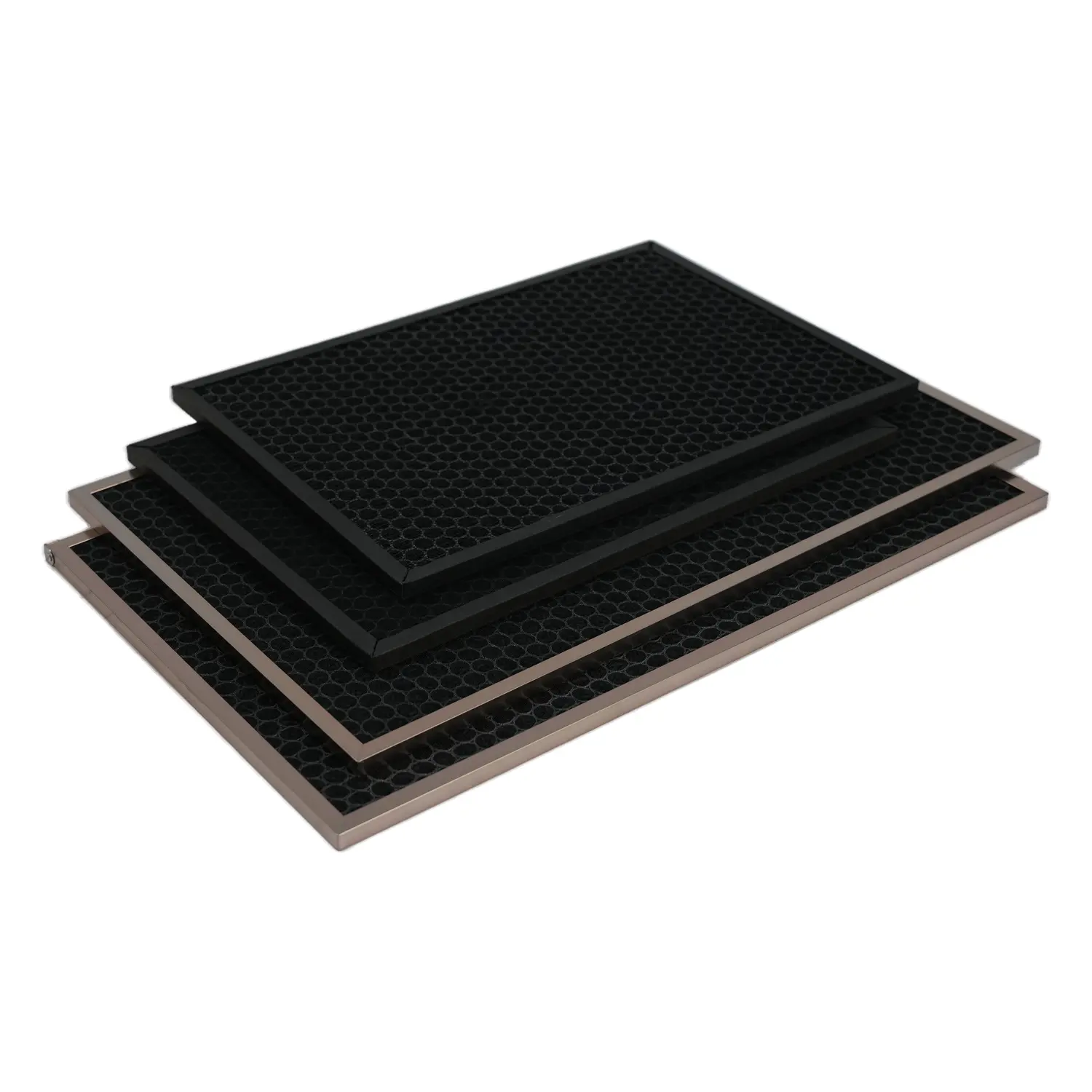
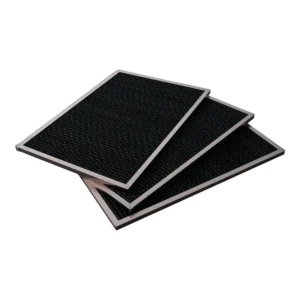
Walk into any HVAC supply house or air purifier showroom, and you’ll notice filters of all kinds — pleated paper, loose black granules, and the occasional stiff, corrugated honeycomb with a dark fibrous texture.
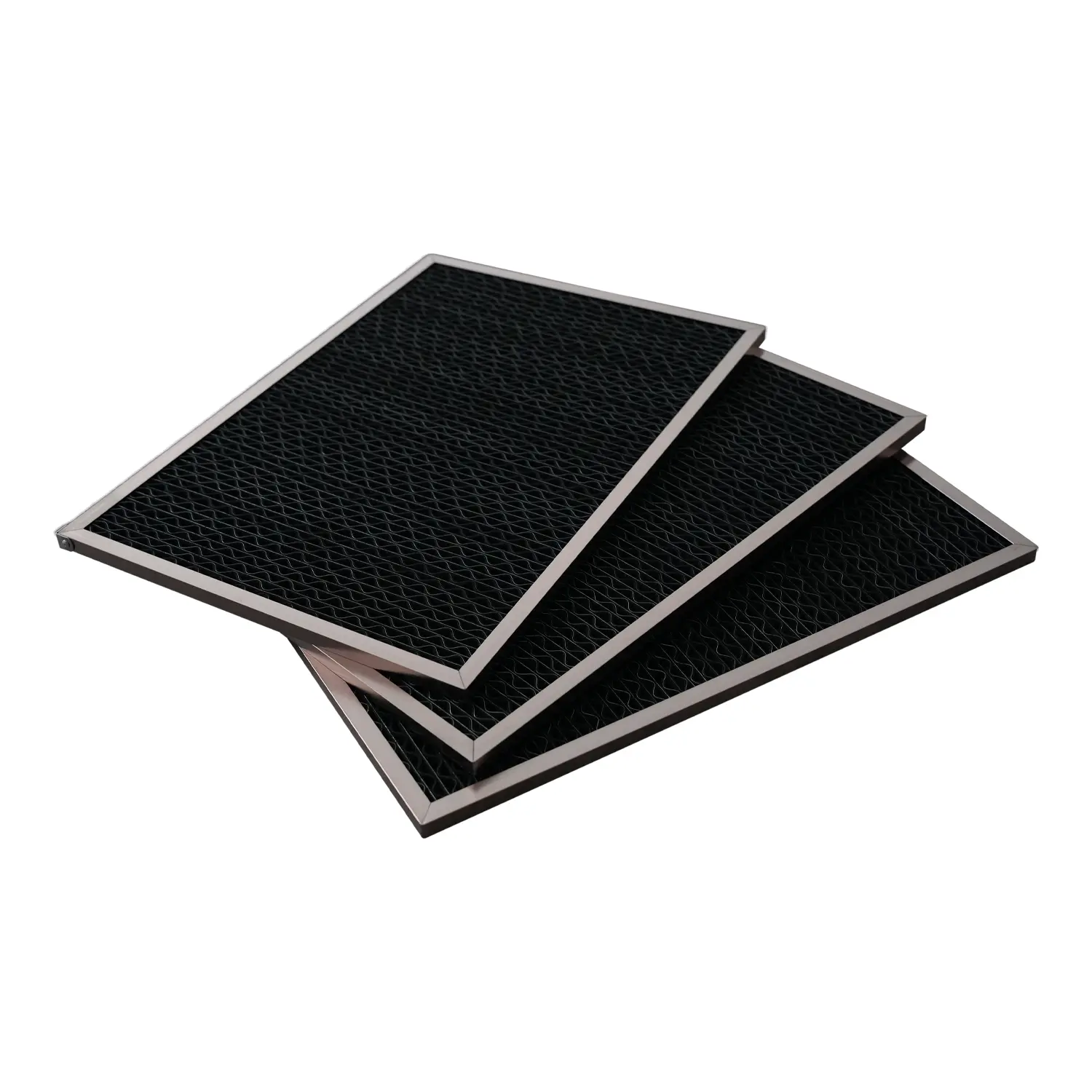
That distinctive one is a corrugated activated carbon fiber filter. It doesn’t look luxurious, but when it comes to removing harmful gases, VOCs, and stubborn odors, it significantly outperforms many traditional filters.
The real question is: which corrugated activated carbon fiber filter is right for your application? This guide breaks down the key differences, performance data, and selection criteria to help you choose a solution that delivers real results.
What Is a Corrugated Activated Carbon Fiber Filter?
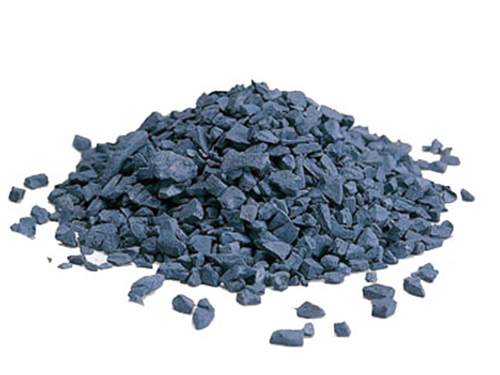
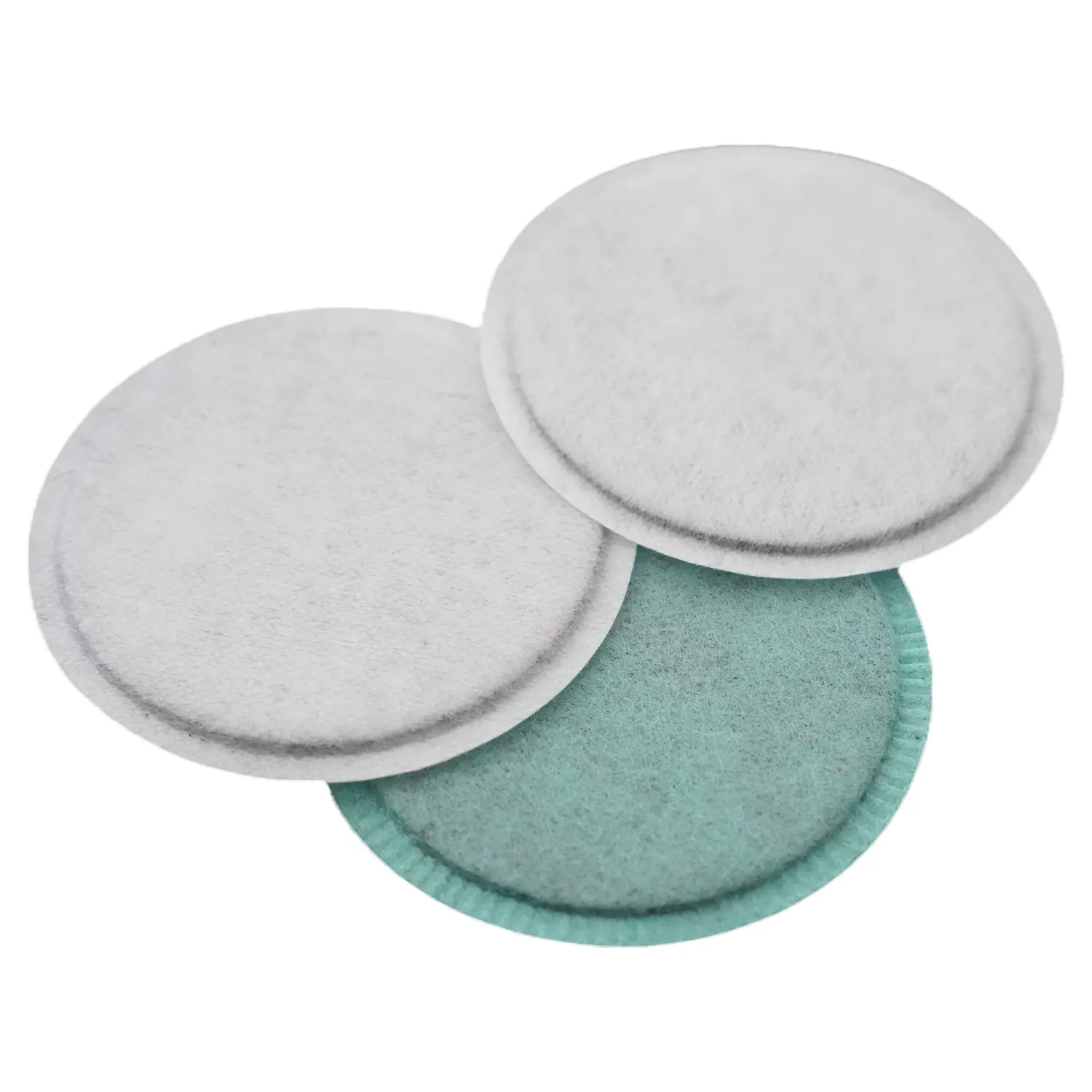
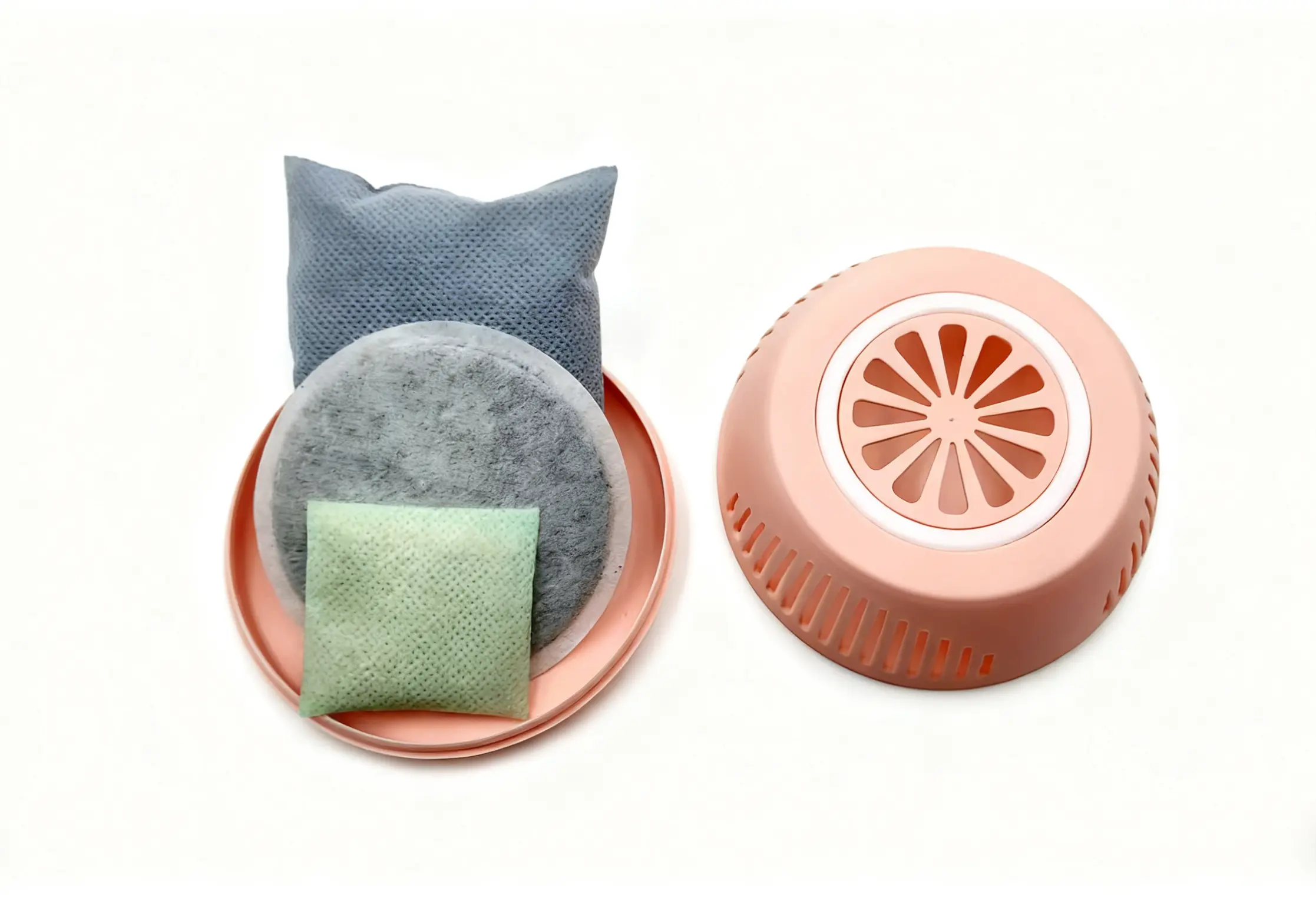
Most people know granular activated carbon — the black pellets used in water filters and aquariums. Activated carbon fiber (ACF) is fundamentally different. It is a textile-like material made from carbonized fibers with an extremely high internal surface area, enabling superior physical adsorption of gas molecules.
A corrugated activated carbon fiber filter takes this material and forms it into stiff, wavy sheets. The corrugation creates airflow channels that maximize contact with the carbon surface while keeping pressure drop low.
Three Key Advantages
- High adsorption capacity — Significantly more effective surface area than granules.
- Low airflow resistance — Open channels allow air to pass easily.
- Self-supporting structure — No extra frames or binders required, simplifying installation.
How It’s Manufactured
The process begins with soft activated carbon fiber felt. It is treated with a nano-scale low-temperature catalyst that enhances the breakdown of certain harmful gases without blocking adsorption sites. The treated felt is then permanently corrugated using specialized technology, creating a rigid, self-supporting structure that fits directly into existing equipment.
Quality separates good filters from poor ones: consistent corrugation height, uniform catalyst distribution, and minimal fiber shedding.
How Does a Corrugated Activated Carbon Fiber Filter Compare to Traditional Options?
This is where the rubber meets the road. If you are deciding between a corrugated ACF filter and a traditional granular activated carbon (GAC) filter, the differences are significant. Understanding these differences helps you justify the investment.
Side-by-Side Comparison
| Factor | Corrugated Activated Carbon Fiber Filter | Granular Activated Carbon (GAC) Filter |
|---|---|---|
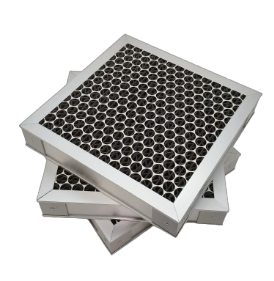
| Structure | Self-supporting corrugated sheet | Loose granules packed in a frame or bed |
| Adsorption Rate | Faster—fiber structure allows rapid gas capture | Slower—gas must diffuse into granule pores |
| Airflow Resistance | Lower—corrugated channels reduce pressure drop | A higher packed bed creates more resistance |
| Material Usage | Less material is needed for the same performance | More material required |
| Dust Generation | Minimal—fibers are bonded | Can shed particles over time |
| عمر الخدمة | Longer—higher utilization of adsorption sites | Shorter—inner pores often unused |
| التطبيقات النموذجية | HVAC, automotive AC, air purifiers, cleanrooms | Water treatment, bulk gas adsorption |
What This Means for Your System
The key takeaway is not that one is universally “better.” It is that the corrugated activated carbon fiber filter is more efficient at what it does:
-
It uses less material to achieve the same or better removal rates.
-
It creates less resistance to airflow, so your fan works less.
-
It lasts longer, which means fewer changeouts and less labor.
One study on honeycomb-structured activated carbon filters found that the corrugated design reduced airflow resistance by about 25% compared to flat filters. That means your fan or blower does not have to work as hard. In a commercial building running HVAC 24/7, that energy saving alone can offset the higher upfront cost of a corrugated activated carbon fiber filter within the first year.
What Harmful Gases Can a Corrugated Activated Carbon Fiber Filter Remove?
This is probably the most practical question you can ask. What will this filter actually take out of your air? A corrugated activated carbon fiber filter is effective against a range of common indoor and industrial air pollutants.
Primary Target Gases
Here are the most common gases these filters are designed to handle:
-
الفورمالديهايد – Found in building materials, furniture, and adhesives. One study on activated carbon fiber filters with catalyst modification achieved a removal efficiency of 96.6% within 30 minutes. Another study on corrugated honeycomb activated carbon filter paper reported a removal rate of 65.2%.
-
الأمونيا – Common in livestock facilities, cleaning products, and industrial processes. The fiber structure captures ammonia molecules quickly, reducing odors and protecting worker health.
-
أسيتالديهيد الأسيتالديهيد – A volatile organic compound found in tobacco smoke, vehicle exhaust, and some food packaging. A corrugated activated carbon fiber filter can significantly reduce acetaldehyde levels indoors.
-
حمض الخليك – Released from certain manufacturing processes and building materials. The acid gas is captured efficiently by the activated carbon fiber.
-
التولوين – A solvent used in paints, coatings, and adhesives. Some corrugated activated carbon fiber filters have shown 100% removal efficiency for toluene in controlled tests.
A Note on Performance
The exact removal efficiency depends on the specific filter design, the catalyst loading, and the concentration of the gas. But the pattern is clear: these filters are highly effective at removing the kinds of gases that cause health complaints, odors, and regulatory headaches. When you choose a corrugated activated carbon fiber filter, you are choosing proven gas-phase filtration.
Why Does the Corrugated Structure Matter So Much?
You might wonder: why go through the trouble of corrugating the material? Why not just use a flat sheet? The corrugated structure is not cosmetic. It serves three critical functions that make a corrugated activated carbon fiber filter superior to flat alternatives.
Three Functions of the Corrugated Design
-
It maximizes surface area. A flat sheet has one surface exposed to airflow on each side. A corrugated sheet has folds and channels that multiply the available surface area within the same footprint. More surface area means more sites for gas adsorption, which means better performance. That is why a corrugated activated carbon fiber filter can remove more gas with less material.
-
It manages airflow. The channels created by the corrugation guide air through the filter in a controlled way. This reduces turbulence and ensures that the air actually contacts the carbon fiber rather than finding a path around it. Without this structure, much of the air would bypass the carbon entirely.
-
It provides structural integrity. The corrugation stiffens the material, so the filter holds its shape without needing additional frames, adhesives, or binders. This simplifies installation and reduces the risk of the corrugated activated carbon fiber filter collapsing or bypassing.
One manufacturer notes that the honeycomb design allows better airflow while delivering superior performance in removing harmful gases and contaminants. That is the whole point—better airflow and better removal, not one at the expense of the other. When you install a corrugated activated carbon fiber filter, you get both.
How Does Catalyst Modification Improve a Corrugated Activated Carbon Fiber Filter?
This is one of the key innovations in recent ACF technology. The catalyst is what enables the filter to break down certain gases rather than just adsorbing them.
In a basic activated carbon filter, gases are captured through physical adsorption—they stick to the surface of the carbon pores. But some gases, like formaldehyde, can be broken down into harmless substances when a catalyst is present. The low-temperature catalyst in a corrugated activated carbon fiber filter promotes this breakdown reaction, effectively destroying the pollutant rather than just storing it.
This has two practical benefits. First, the filter does not saturate as quickly because the catalyst regenerates some of the adsorption sites. Second, the filter can capture more of the gas than would be possible through physical adsorption alone.
The catalyst is distributed at the nano-scale within the fiber pores, so it does not block the adsorption sites. This means a corrugated activated carbon fiber filter with catalyst modification offers both high adsorption capacity and enhanced gas destruction—a combination that traditional filters simply cannot provide.
What Applications Are Best Suited for a Corrugated Activated Carbon Fiber Filter?
These filters show up in a surprisingly wide range of equipment, across both residential and industrial settings:
-
Air purifiers – Both portable units and whole-home systems use corrugated ACF filters to remove gases and odors that HEPA filters cannot touch. This is perhaps the most common application for a corrugated activated carbon fiber filter in the consumer market.
-
Automobile air conditioners – Cabin air filters made from corrugated activated carbon fiber remove exhaust fumes, ozone, and VOCs from the vehicle interior. Many drivers do not realize that the filter in their car is likely a corrugated activated carbon fiber filter.
-
HVAC systems – Commercial and residential heating and cooling systems use these filters to improve indoor air quality. Building owners are increasingly specifying a corrugated activated carbon fiber filter for new construction and retrofits.
-
Fresh air systems – Energy recovery ventilators and dedicated outdoor air systems often include ACF filters to treat incoming air. This is especially important in urban areas where outdoor air quality is poor.
-
Livestock and agricultural facilities – Ammonia and odor control in animal housing is a growing application for the corrugated activated carbon fiber filter. Farmers are looking for ways to reduce emissions and improve worker conditions.
-
Cleanrooms and laboratories – Where air quality standards are strict, a corrugated activated carbon fiber filter provides gas-phase filtration that protects sensitive equipment and processes.
-
Food processing and packaging – Odor control and gas removal in food facilities are becoming more important as consumer expectations rise. A corrugated activated carbon fiber filter can help maintain product quality.
The common thread is that these applications all involve moving air through a filter medium. The corrugated ACF filter fits because it offers low resistance, high capacity, and reliable performance in a compact form factor.
What Should You Look for When Choosing a Corrugated Activated Carbon Fiber Filter?
Not all corrugated activated carbon fiber (ACF) filters deliver the same performance on the shop floor. Before making a purchase, your engineering team needs to evaluate five critical factors:
-
Catalyst Loading and Type: A low-temperature catalyst allows the filter to chemically decompose gases rather than just temporarily adsorbing them. Higher loading improves efficiency for reactive gases like formaldehyde.
-
Pore Structure: Micro-pore architecture determines which molecules are trapped. You need a diverse pore size distribution—smaller pores for formaldehyde and larger pores to handle volatile organic compounds (VOCs).
-
Corrugation Geometry: Pleat height, width, and spacing dictate the balance between airflow resistance and capacity. Tighter corrugations maximize active surface area but increase pressure drop.
-
Certification and Testing Standards: Verify performance through recognized international metrics, specifically documenting compliance with Japan’s JEM1467 and South Korea’s CA TEST standards.
-
Physical Alignment: Beyond physical dimensions (length, width, thickness), ensure that the frame sealing minimizes air bypass and that the corrugation direction aligns perfectly with your system’s airflow path.
How Do You Know If a Corrugated Activated Carbon Fiber Filter Is Worth the Investment?
While a corrugated ACF filter commands a higher upfront cost than standard granular carbon panels, the long-term total cost of ownership (TCO) tells a different story.
The core financial advantage stems from its unique aerodynamic design. By utilizing the carbon fiber matrix more efficiently, these filters reduce static pressure drop by 25% or more compared to traditional packed-bed designs. In a commercial HVAC system running 24/7, this lower resistance directly translates to reduced fan power draw and significant energy savings.
Furthermore, this optimized efficiency doubles the standard service life before saturation occurs. Fewer replacements mean lower material overhead, minimized maintenance labor hours, and reduced system downtime in critical environments like laboratories or semiconductor cleanrooms. Ultimately, it allows you to meet strict air quality regulations without the risk of expensive testing failures or constant system reworks.
What Are the Limitations of a Corrugated Activated Carbon Fiber Filter?
No filtration technology is flawless, and understanding the operational boundaries of corrugated ACF media is essential to prevent premature system failure:
-
High Humidity: Excessive relative humidity (RH) introduces water vapor that competes for active adsorption sites, sharply degrading gas removal efficiency. Upstream dehumidification is highly recommended in moisture-heavy environments.
-
Thermal Windows: The integrated catalyst relies on optimal operating temperatures. Extremely hot or cold environments will reduce chemical conversion rates.
-
Particulate Blinding: This media is strictly engineered to capture molecular gases, not dust, pollen, or mold spores. To prevent the carbon pores from blinding, it must be paired with an upstream particulate filter (such as HEPA).
-
Finite Saturation: Adsorption is a finite process. Once all active sites are occupied, the filter cannot be washed or regenerated; a complete replacement is mandatory.
-
Custom Component Costs: While standard form factors are readily available, specifying non-standard dimensional configurations will incur premium pricing and longer production lead times.
How Do You Maintain a Corrugated Activated Carbon Fiber Filter?
Proper maintenance ensures consistent gas-phase filtration and prevents premature breakthrough. Unlike physical pre-filters, an ACF filter cannot be cleaned and reused. Once the molecular sites are saturated, the filter must be fully replaced.
Because the actual lifespan varies based on ambient contaminant concentrations and airflow workloads, you should track operational hours and replace the media according to the manufacturer’s recommendations or detected VOC breakthrough schedules.
When managing inventory, remember that unused filters must remain hermetically sealed in their original vapor-barrier packaging. If exposed to ambient air during storage, the carbon will saturate before installation. Finally, regularly inspect the housing tracks—any perimeter gaps allow untreated air to bypass the media, severely degrading downstream air quality.
الخاتمة
Targeting application success requires matching the filter’s chemical and structural limits directly to your specific facility demands. Contaminant type dictates material selection; formaldehyde mitigation demands high-loading, low-temperature catalysts with verified conversion data, whereas mixed volatile organic compound (VOC) streams require an expanded pore size distribution.
Aerodynamic constraints govern mechanical integration. System layout must balance the fan’s static pressure capacity against the increased operational resistance naturally tied to tighter corrugation profiles.
Long-term operating margins depend entirely on cumulative efficiency. Media that extends changeout cycles while minimizing fan power draw fundamentally reduces the total cost of ownership (TCO).
Global compliance mandates are accelerating the adoption of molecular filtration across industrial cleanrooms, commercial HVAC retrofits, and consumer air purifier manufacturing lines alike.
System optimization begins with defining target gas concentrations and measuring exact volumetric airflow parameters to secure the correct catalyst chemistry, pore structure, and pleat geometry.