Introduction
Unpleasant odors and harmful volatile compounds are common challenges in industries ranging from automotive manufacturing to air purification and environmental treatment. While conventional activated carbon can adsorb some pollutants, its effectiveness often declines as adsorption sites become saturated.
This is where modified activated carbon fiber felt stands out. By combining the high surface area of activated carbon fiber with specialized chemical modification, it can efficiently capture and break down odor-causing compounds such as formaldehyde, ammonia, acetic acid, and toluene.
But how does it work, and is it really more effective than traditional activated carbon? In this article, we’ll explore the science behind modified activated carbon fiber felt, its performance advantages, and the applications where it delivers the greatest value.
What Makes Modified Activated Carbon Fiber Felt Different from Regular Carbon?
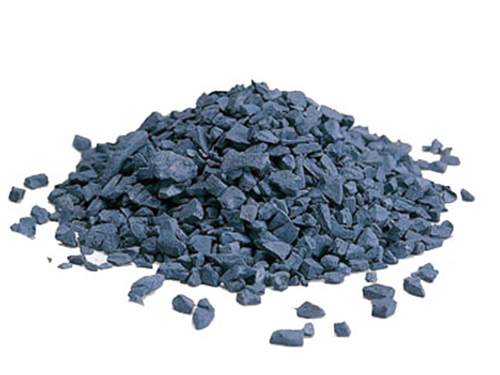
To understand why this material works, you first need to understand what it is. Traditional activated carbon—whether granular (GAC) or powdered—has been the industry standard for decades. It works through physical adsorption: odor molecules get trapped in the countless microscopic pores on the carbon surface. The problem? Adsorption alone has limits. Once the pores fill up, the material stops working. And many volatile organic compounds (VOCs) are simply too stubborn to be held by physical forces alone.
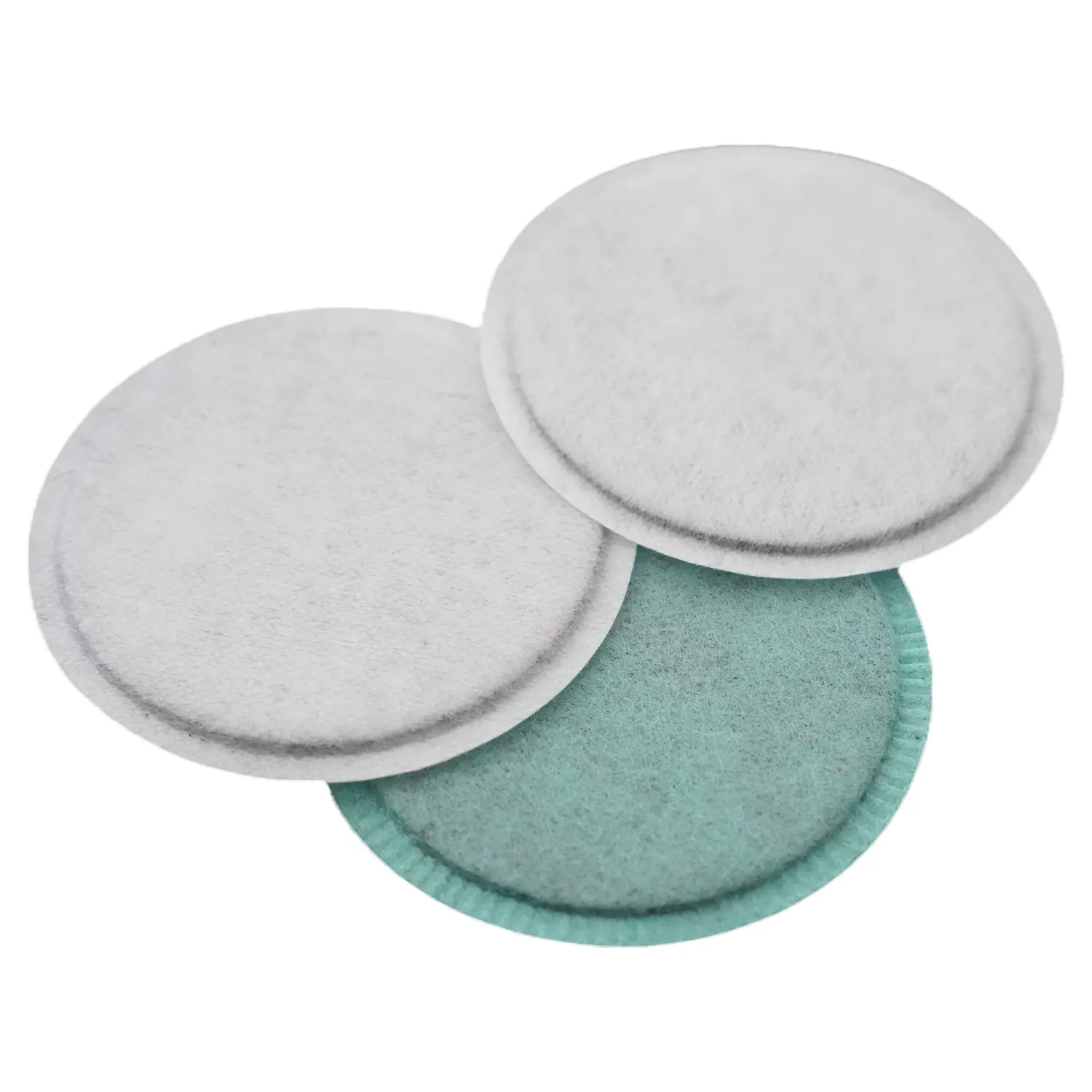
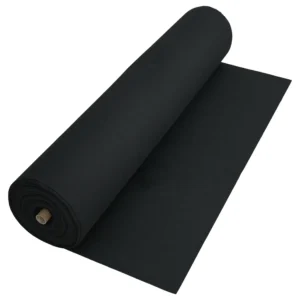
Modified activated carbon fiber felt takes a completely different approach. It starts with activated carbon fibers (ACF) rather than granular particles. These fibers are woven into a soft, flexible felt that can be cut and shaped to fit complex geometries. But the real innovation is the modification—targeted loading of low-temperature catalysts that are selected based on the specific harmful gases you need to remove. This creates what the industry calls an “adsorption-catalysis” deep synergy. The carbon fibers adsorb the odor molecules, pulling them out of the air stream. Then the catalysts chemically break those molecules down into harmless substances—carbon dioxide and water—rather than just storing them. The result is a material that does not just trap odors; it destroys them.
How Does the Adsorption-Catalysis Synergy Actually Work?
Let us get a bit more technical, because the mechanism matters for performance. Modified activated carbon fiber felt functions as both an adsorbent and a catalyst support. The activated carbon fibers provide an enormous surface area—often exceeding 1,000 m² per gram—with a pore structure dominated by micropores that are perfectly sized for capturing gas-phase molecules. When an odor molecule like formaldehyde enters the material, it gets physically trapped in these pores.
But here is where modification changes the game. The low-temperature catalysts loaded onto the fiber surface lower the activation energy required for oxidation reactions. This means that at room temperature and normal atmospheric pressure—conditions where traditional catalysts would be inert—these modified fibers can actually convert adsorbed VOCs into carbon dioxide and water. In practical terms, this dual mechanism delivers two major benefits: faster removal rates because the material continuously regenerates active sites, and longer service life. After all, the pores do not fill up as quickly. Studies have demonstrated that nitrogen-doped activated carbon fibers can achieve formaldehyde adsorption capacities up to 312 mg/g—a 33% improvement over unmodified fibers. Other research has shown removal efficiencies of 96.6% for formaldehyde within just 30 minutes. That is not incremental improvement; that is a step change in performance.
Key Performance Advantages Over Traditional Filter Media
The numbers tell a compelling story. Compared to granular activated carbon, modified activated carbon fiber felt offers several distinct advantages that directly translate to better odor control.
Faster Adsorption Kinetics
Because activated carbon fibers have a more open pore structure with shorter diffusion paths, odor molecules reach adsorption sites much faster than they do in granular carbon. In aqueous solutions, ACF can show adsorption rates 5 to 6 times higher than GAC. For gas-phase applications like odor removal, the difference is equally dramatic—organic gas adsorption capacity is several times to ten times better.
Higher Breakthrough Capacity
Breakthrough is the point where a filter can no longer capture additional contaminants. With its combination of physical adsorption and catalytic destruction, modified activated carbon fiber felt delays breakthrough significantly. The material does not just store pollutants; it eliminates them. This means you get more usable life out of every filter.
Superior Regenerability
Traditional carbon filters are typically single-use. Once saturated, they become waste. Activated carbon fiber felt, by contrast, is easy to regenerate. Heat treatment at 120-150°C for 10 to 30 minutes can completely desorb captured compounds, restoring the material to near-original performance. This is not just an environmental benefit—it is a cost-saving one as well.
Flexibility and Form Factor
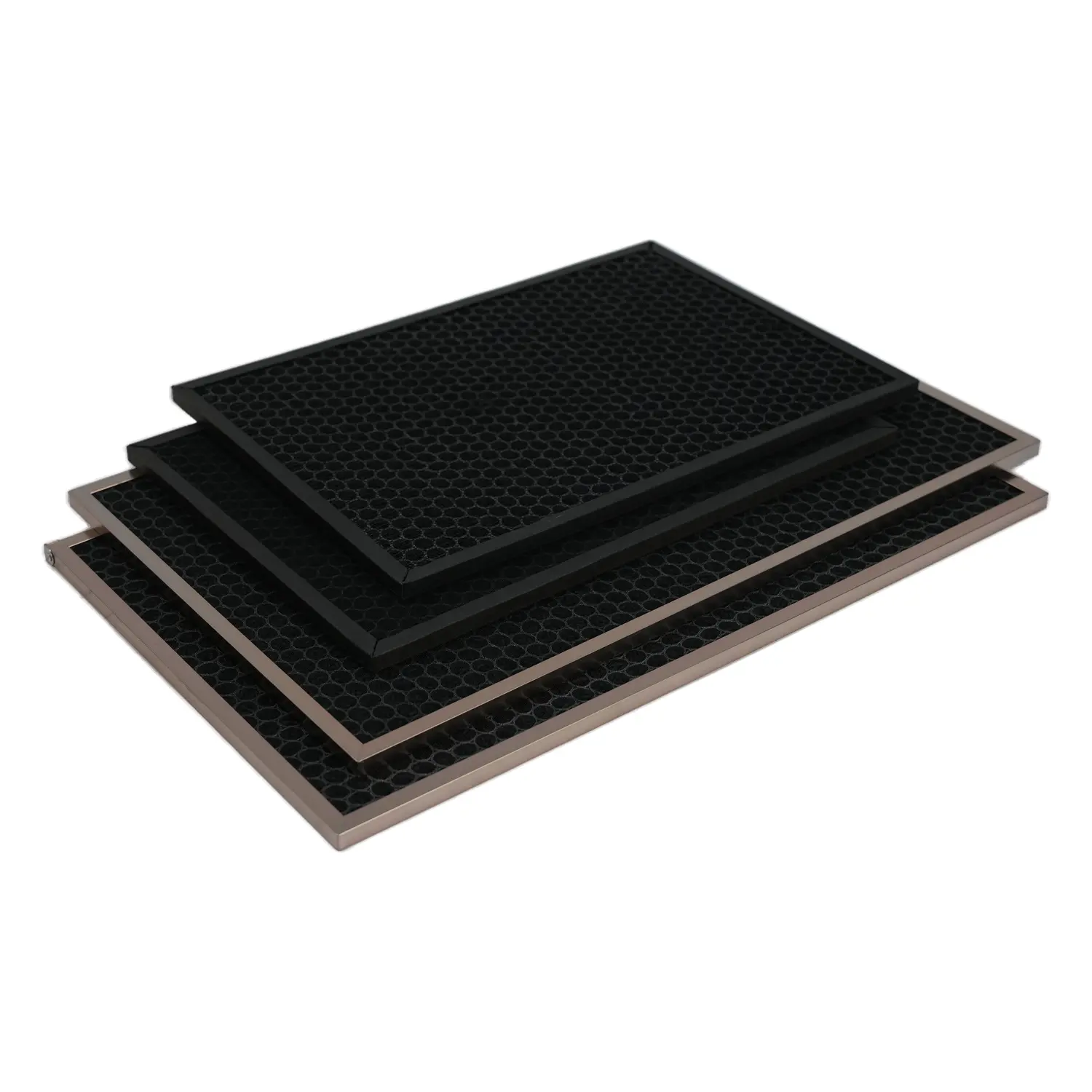
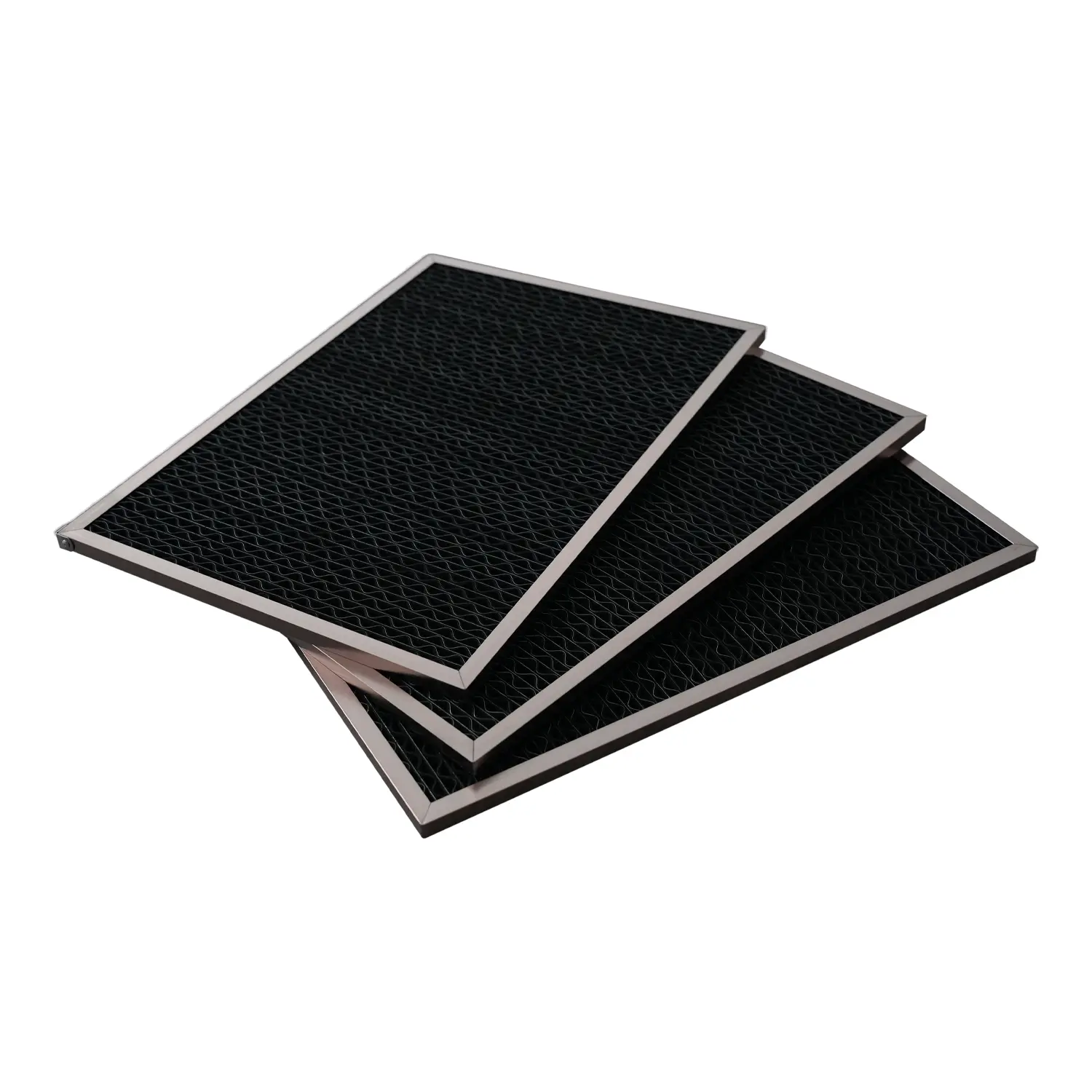
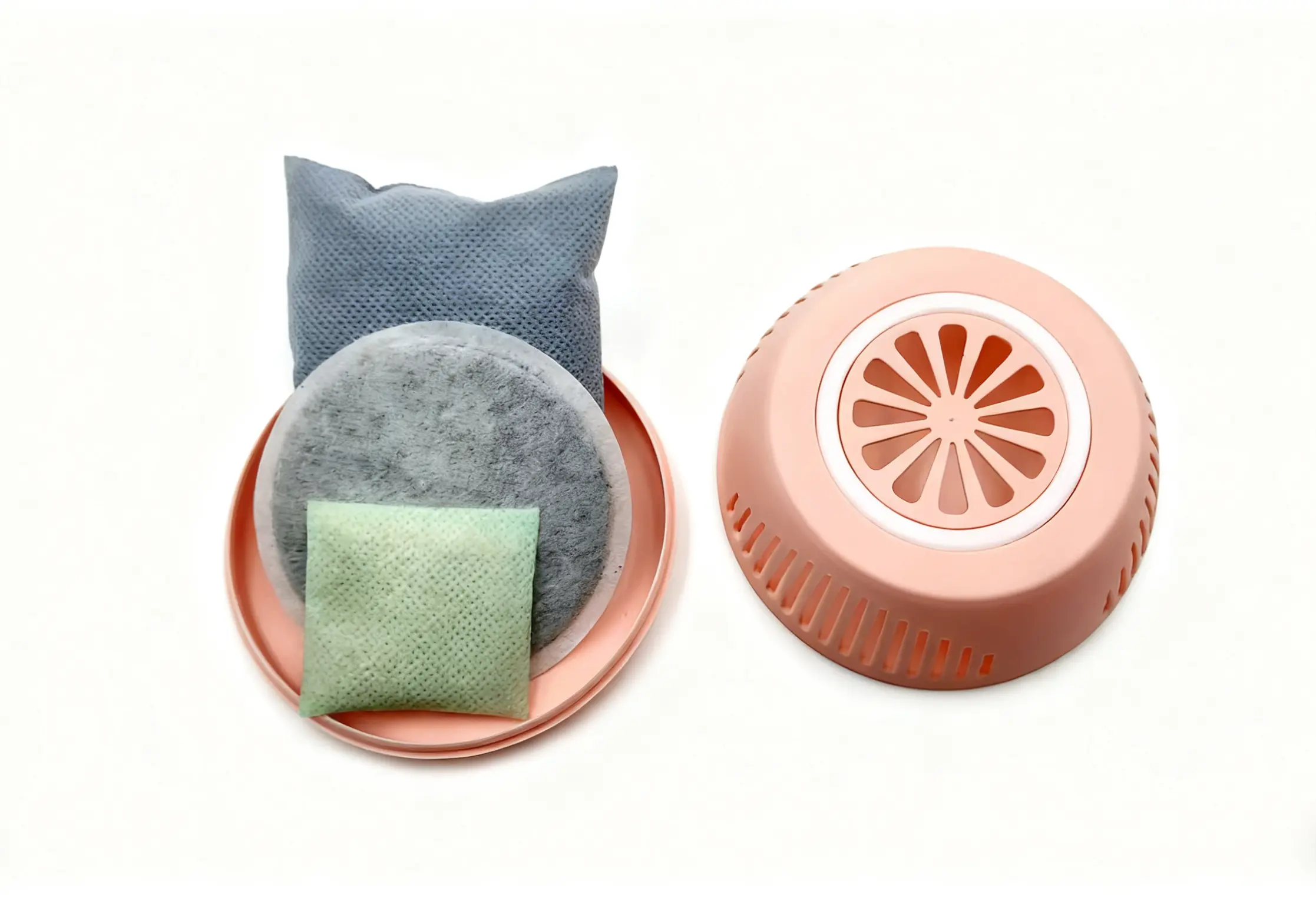
Granular carbon requires containment—mesh bags, canisters, or rigid frames. Modified activated carbon fiber felt is soft and tailorable. It can be wrapped around HVAC coils, inserted into tight equipment spaces, or layered into multi-stage filtration systems. This versatility opens up applications that granular carbon simply cannot address.
Modified Activated Carbon Fiber Felt vs. Traditional Activated Carbon
| Factor | Modified Activated Carbon Fiber Felt | Granular Activated Carbon (GAC) |
|---|---|---|
| Surface area | 1,000–1,500+ m²/g | 800–1,200 m²/g |
| Adsorption rate | Several to 10× faster for organic gases | Baseline |
| Aqueous adsorption | 5–6× higher for dyes and organics | Baseline |
| Mechanism | Adsorption + catalytic destruction | Physical adsorption only |
| Regenerability | Easy—hot air desorption at 120–150°C | Difficult, often not cost-effective |
| Form factor | Soft felt, tailorable to complex shapes | Granules require containment |
| Service life | Significantly longer due to catalytic regeneration | Limited by pore saturation |
| Targeted performance | Custom catalyst loading for specific gases | Broad but non-specific |
This comparison makes one thing clear: for applications where odor removal is critical and performance cannot be compromised, modified activated carbon fiber felt is the superior choice.
What Kinds of Odors Can It Actually Eliminate?
The product page lists several specific target gases: formaldehyde, acetaldehyde, ammonia, acetic acid, and toluene. These are not random selections—they represent some of the most common and most challenging odor sources across different industries.
Formaldehyde is the classic indoor air quality culprit, found in building materials, furniture, and textiles. Research consistently shows that modified ACF outperforms unmodified materials for formaldehyde removal, with nitrogen doping boosting adsorption capacity by over 30%. Copper-manganese oxide modifications have achieved 96.6% removal efficiency within 30 minutes.
Ammonia is a major concern in agricultural settings, waste treatment, and even certain manufacturing processes. Studies have demonstrated that acid-treated activated carbon fiber felt is highly efficient at removing ammonia gas, with temperature having little effect on performance. This thermal stability is a significant advantage for applications with variable operating conditions.
Toluene and other VOCs are common in industrial environments, automotive manufacturing, and printing operations. ACF has been shown to have comparable or larger surface areas and higher adsorption capacities than GAC for toluene.
Acetic acid and acetaldehyde are byproducts of various chemical processes and are notorious for their low odor thresholds—meaning even tiny concentrations produce noticeable smells. The targeted catalyst loading on modified activated carbon fiber felt is specifically designed to handle these challenging compounds.
The key takeaway? This is not a one-size-fits-all material. The modification process can be tailored to the specific odor profile of your application. Whether you are dealing with aldehydes, amines, organic acids, or aromatic hydrocarbons, there is a formulation designed for it.
Where Is Modified Activated Carbon Fiber Felt Used in the Real World?
The applications for this material are surprisingly broad. Here is where you will find modified activated carbon fiber felt making a tangible difference.
Automotive Cabin Air Filtration
Modern vehicles are sealed environments, which means odors from plastics, adhesives, and upholstery have nowhere to go. Activated carbon fiber felt is widely used in automotive air conditioning systems to remove VOCs and unpleasant odors. The soft, flexible form factor allows it to be integrated into compact filter housings where granular carbon would never fit.
Building HVAC and Indoor Air Quality
Commercial buildings, hospitals, schools, and hotels all struggle with indoor air quality. Modified activated carbon fiber felt is increasingly specified in HVAC systems for post-air filtration, capturing not just odors but also volatile organic compounds that affect occupant health and comfort.
Industrial Air Purification
Facilities that handle chemicals, solvents, or biological materials generate odorous emissions that can create compliance issues and neighbor complaints. The targeted catalyst loading of modified ACF makes it particularly effective for industrial gas-phase adsorption.
Consumer Air Purifiers
The same technology that works in industrial settings scales down to home and office air purifiers. The high adsorption capacity and fast kinetics mean smaller filter footprints and longer replacement intervals—benefits that both manufacturers and consumers appreciate.
Specialty Applications
From gas mask filters to food and beverage processing, from pharmaceutical manufacturing to wastewater treatment off-gas, the versatility of modified activated carbon fiber felt continues to expand. Any environment where odor control is mission-critical is a potential application.
What Does the Data Say About Real-World Performance?
Laboratory results are one thing. Field performance is another. Here is what the research and industry data tell us about how modified activated carbon fiber felt performs outside the lab.
A study comparing deodorant materials for ammonia removal found that ACF demonstrated “better effectiveness” in reducing ammonia concentration compared to other tested materials. The researchers specifically noted that ACF with acid treatment was “highly efficient” at removing ammonia gas, and that air temperature did not have a “profound effect” on performance—a critical finding for applications with fluctuating environmental conditions.
For formaldehyde, the data are even more compelling. Nitrogen-doped ACF achieved a maximum adsorption capacity of 312 mg/g, exceeding unmodified fibers by 33.3%. Copper-manganese oxide modified fibers reached 96.6% removal efficiency within 30 minutes. These are not marginal improvements; they represent orders-of-magnitude differences in real-world effectiveness.
Perhaps most importantly, the “adsorption-catalysis” synergy has been validated across multiple studies. Research on chlorobenzene removal demonstrated that ACF loaded with transition metal oxides achieved effective elimination through the dual mechanism of adsorption and catalytic oxidation. This means the material does not just trap pollutants—it actively destroys them, preventing re-release and extending service life.
How Long Does a Modified Activated Carbon Fiber Felt Filter Last?
Service life is a critical question for any filtration investment. The answer depends on several factors: the concentration of target gases, the airflow rate, the operating temperature, and the specific formulation of the modified felt. However, several factors work in favor of extended life.
First, the catalytic component means that active sites are continuously regenerated. Unlike pure adsorption media that saturate and stop working, modified activated carbon fiber felt converts adsorbed pollutants into harmless byproducts, freeing up pore space for continued operation. This is not infinite—catalysts can eventually poison or deactivate—but it does dramatically extend usable life compared to conventional carbon.
Second, the material is regenerable. Heat treatment at 120-150°C for 10 to 30 minutes can completely desorb captured compounds. In many applications, this means the filter can be restored to near-original performance multiple times before replacement is needed. For industrial users, this translates directly to lower operating costs and less waste.
Third, the high adsorption capacity means the material starts with a larger “buffer” before any performance degradation is noticeable. With organic gas adsorption capacity several times to ten times higher than GAC, the margin for error is significantly greater.
The bottom line? While exact service life varies by application, users can generally expect modified activated carbon fiber felt to outperform traditional carbon filters by a substantial margin—often 2 to 3 times longer between replacements, with the added benefit of regenerability for extended use.
Is Modified Activated Carbon Fiber Felt Worth the Investment?
Let us be direct about this. Modified activated carbon fiber felt is not the cheapest filtration media on the market. Granular activated carbon is commodity-priced and widely available. So why would you pay more?
Because the total cost of ownership is more than the upfront price. Consider the following:
-
Fewer replacements. Longer service life means less frequent change-outs, lower labor costs, and less downtime.
-
Better performance. Higher removal efficiency means cleaner air, better compliance, and fewer complaints.
-
Regenerability. The ability to restore performance through heat treatment extends useful life even further.
-
Form factor advantages. The flexible felt format fits where granular carbon cannot, enabling new applications and better integration.
-
Targeted effectiveness. Custom catalyst loading means you get a solution engineered for your specific odor problem, not a generic compromise.
When you factor in these benefits, the total cost of ownership for modified activated carbon fiber felt often compares favorably to traditional alternatives—and the performance gap is undeniable.
Conclusion: The Verdict on Stopping Bad Smells
So, can modified activated carbon fiber felt stop bad smells? The evidence is clear: yes—and it does so more effectively than traditional alternatives. The combination of high-surface-area activated carbon fibers with targeted low-temperature catalysts creates an adsorption-catalysis synergy that physically captures and chemically destroys odor-causing compounds. Formaldehyde, ammonia, acetic acid, toluene—these are not just masked; they are eliminated.
The data support the claims. Faster adsorption kinetics, higher breakthrough capacity, easy regenerability, and the ability to tailor the material to specific applications all add up to a filtration solution that delivers measurable results. Whether you are designing automotive cabin air filters, upgrading building HVAC systems, or solving an industrial odor problem, this material deserves serious consideration.
At Jiangsu Hongrun Purification Co., Ltd., we specialize in engineered modified activated carbon fiber felt solutions for demanding air purification applications. Our products are available with minimum order quantities starting at 100 kg and delivery within 20 days. Contact us today to discuss your specific odor control requirements—we will help you find the right formulation for your application.