
Einführung
In HVAC systems, airborne particles such as dust, pollen, lint, and other contaminants can gradually affect equipment performance if they are not effectively controlled. As these particles accumulate on fan motors, heating and cooling coils, and other critical components, they may increase maintenance requirements, reduce operating efficiency, and shorten equipment service life. A primary air filter provides the first stage of protection by capturing larger particles before they enter the main airflow path. Understanding how this panel pre-filter works and the role it plays in equipment protection, energy efficiency, and maintenance cost control helps facility managers and HVAC professionals make better filtration decisions.
What Exactly Is a Primary Air Filter and How Does It Work?
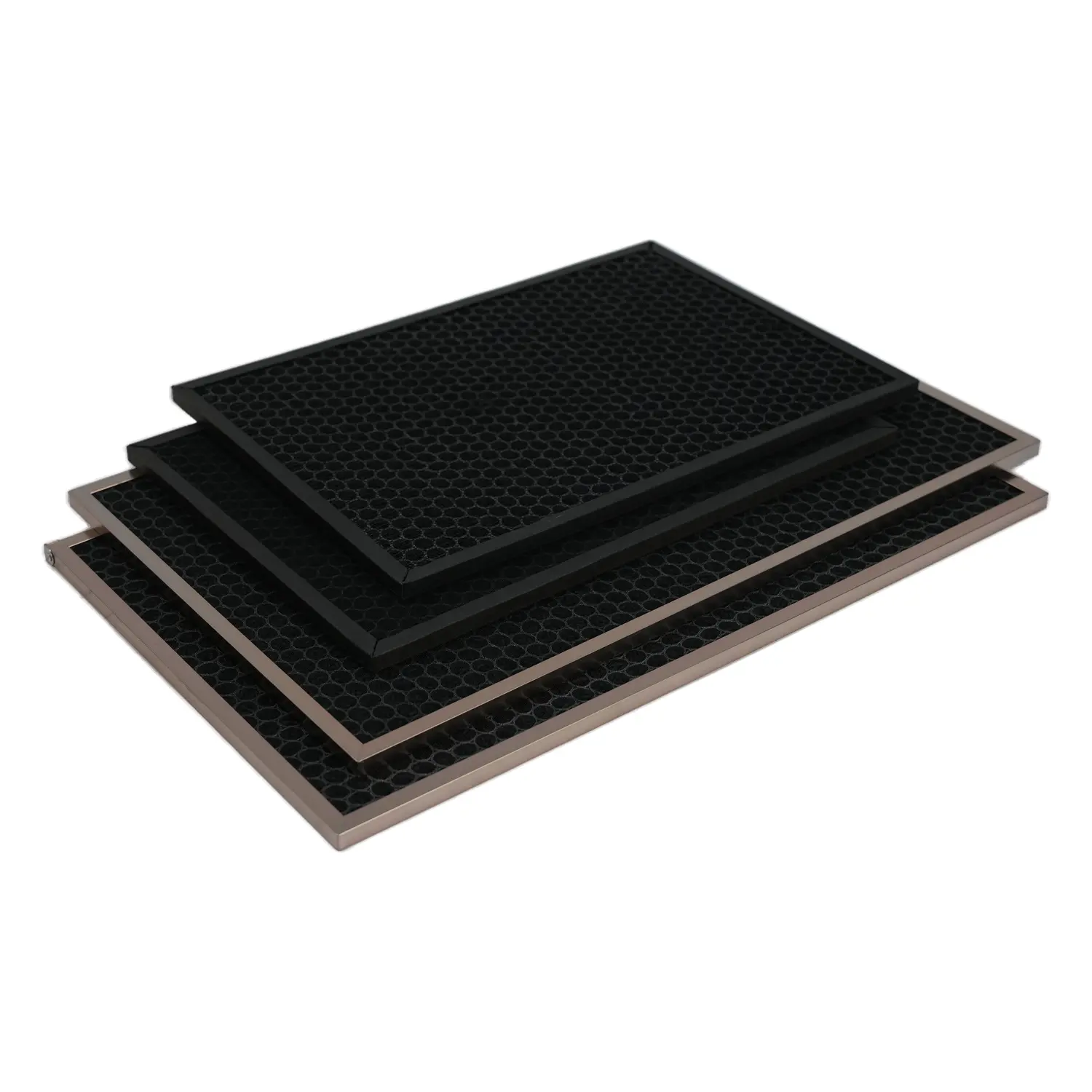
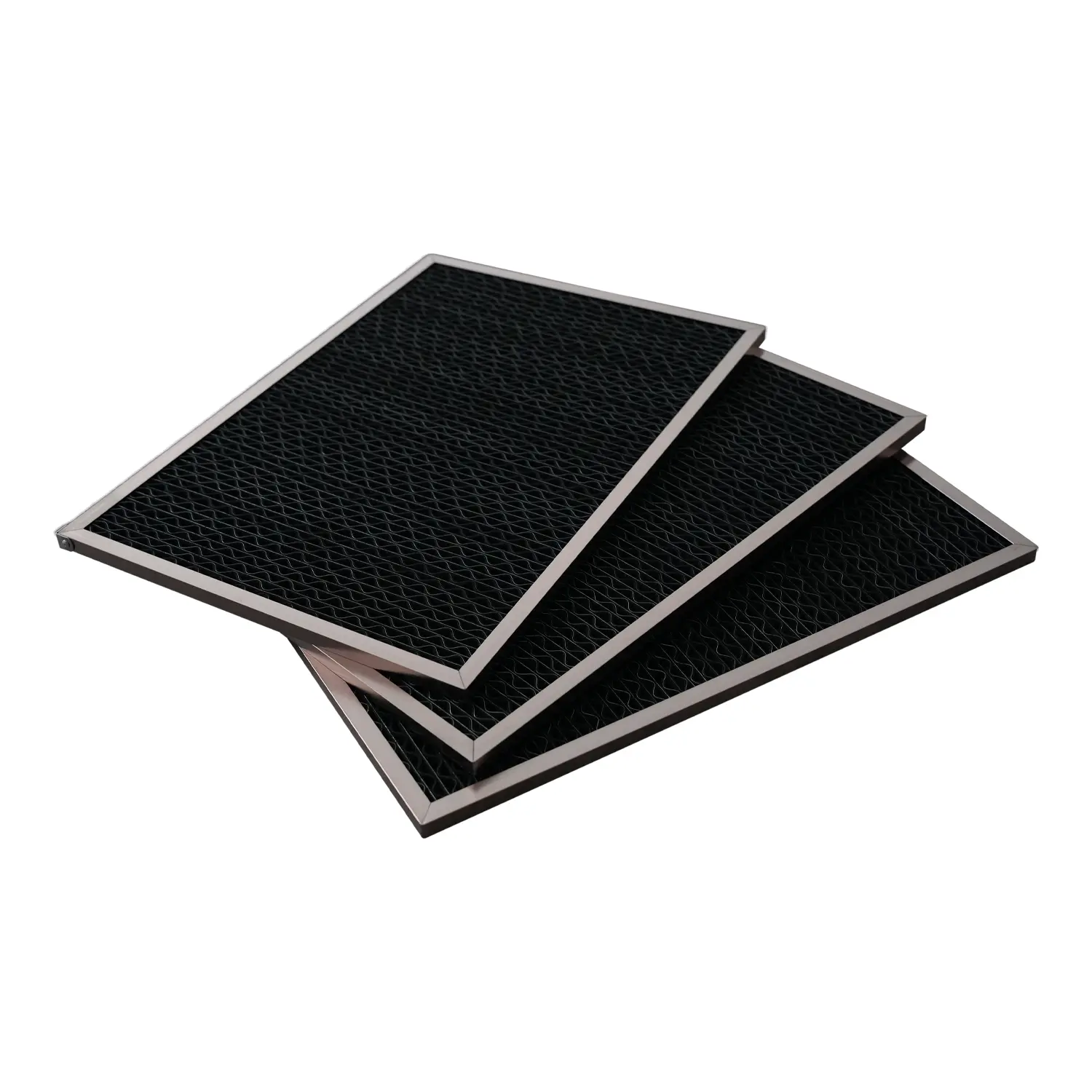
A primary air filter, also known as a panel pre-filter, is the first filtration stage installed in an HVAC system’s air handling unit (AHU). It is designed to capture larger airborne particles, such as dust, lint, and debris, before they reach downstream filtration stages, including secondary and final filters that require higher protection.
Most primary air filters use low-resistance polyester fiber media, which provides an effective balance between particle capture and airflow performance. The filter media is designed to remove coarse contaminants while maintaining sufficient air permeability, helping prevent excessive pressure drop within the HVAC system. For particles ≥5.0μm, typical filtration efficiency ranges from 40% to 60%, making it suitable for pre-filtration applications where maintaining airflow and protecting subsequent filters are equally important.
Primary air filters are available with different frame materials to meet various installation and operating requirements, including paper, galvanized steel, stainless steel, aluminum alloy, and plastic frames. The selected frame affects factors such as mechanical strength, corrosion resistance, and service life. Due to their compact structure and easy installation, panel filters are widely used for primary filtration in central air conditioning systems, fresh air units, and other commercial and industrial ventilation applications.
How Does a Primary Air Filter Protect Your HVAC Equipment?
One of the main purposes of a primary air filter is to reduce the amount of airborne contaminants entering critical HVAC components. Without effective pre-filtration, accumulated dust and particles can gradually affect system performance in several ways:
-
Coil fouling
Dust buildup on heating and cooling coils can create a barrier that reduces heat transfer efficiency. As a result, HVAC systems may require more energy to maintain the desired temperature and may experience increased maintenance demands.
-
Fan motor stress
When dust and debris enter the fan section, they can contribute to overheating, mechanical wear, and reduced component reliability. A properly maintained primary air filter helps minimize these risks by capturing contaminants before they reach sensitive parts.
-
Compressor and component protection
In systems with high contamination levels, airborne particles can affect the performance and lifespan of key components. Effective pre-filtration helps reduce particulate exposure and supports more stable long-term operation.
-
Ductwork cleanliness
Without adequate filtration, contaminants can accumulate inside air ducts, affecting indoor air quality and increasing cleaning requirements. A primary air filter helps control particle circulation throughout the ventilation system.
The working principle is straightforward: the primary air filter captures larger particles before they enter the main airflow path. By reducing the dust load on downstream filters and HVAC components, it helps improve system reliability, extend maintenance intervals, and support more efficient operation.

What Role Does a Primary Air Filter Play in Energy Efficiency?
Energy efficiency is one of the key benefits of using a properly selected primary air filter in HVAC systems. While pre-filters are mainly designed to capture larger airborne particles, their impact on system performance extends beyond filtration by helping maintain stable airflow and reducing unnecessary energy consumption.
As a filter collects dust and other contaminants, airflow resistance gradually increases. This resistance, commonly measured as static pressure drop, requires the fan to work harder to deliver the required airflow volume. Selecting a filter with suitable efficiency and replacing it before excessive loading occurs can help maintain HVAC performance and avoid additional energy costs caused by restricted airflow.
Static pressure drop is an important factor when evaluating primary air filter performance. A filter using low-resistance media, such as polyester fiber, can capture coarse particles while maintaining good air permeability. This balance allows the HVAC system to operate with lower fan workload and supports more efficient long-term operation. On the other hand, selecting a filter with unnecessarily high resistance may increase pressure loss and reduce overall system efficiency.
The benefits of effective primary filtration also extend to other HVAC components. By reducing dust accumulation on coils and protecting downstream filters from premature loading, a primary air filter helps maintain heat transfer efficiency, reduce maintenance frequency, and support more stable system operation. For commercial and industrial facilities, choosing the right pre-filtration solution can contribute to lower operating costs throughout the HVAC system lifecycle.
How Does a Primary Air Filter Compare to Other Filtration Stages?
Understanding where the primary air filter fits in the overall filtration hierarchy helps clarify its unique role.
Primary Air Filter vs. Secondary and Final Filters
| Filter Stage | Typischer Wirkungsgrad | Primary Function | Relative Cost |
|---|---|---|---|
| Primary (Pre-filter) | 40–60% for ≥5.0μm | Capture coarse particles, protect downstream filters | Niedrig |
| Secondary Filter | Higher than primary | Capture finer particles like bacteria and pollen | Mäßig |
| Final Filter | Highest (HEPA/ULPA) | Trap microscopic airborne particles | Hoch |
The economic logic of this multi-stage approach is compelling. Primary air filters are relatively inexpensive—they are the cheapest filters in the system. By placing them in front of more expensive secondary and final filters, they capture the bulk of coarse dust and debris. This extends the life of the expensive filters, reducing replacement frequency and labor costs.
Think of it like this: would you rather replace a $20 primary filter every three months or a $200 final filter every six months? The math favors the primary filter every time. Strategic pre-filtration can achieve 60–80% particulate retention efficiency for coarse particulates (≥3μm), minimizing operational downtime for downstream HEPA/ULPA filter maintenance cycles.
What Are the Key Features to Look for in a Quality Primary Air Filter?
Not all primary air filters are designed with the same performance characteristics. When selecting a suitable filter for an HVAC system, buyers should evaluate factors such as airflow resistance, dust-holding capacity, frame durability, maintenance convenience, and filtration consistency.
Low Airflow Resistance
A quality primary air filter should capture airborne particles while maintaining efficient airflow. Low-resistance polyester fiber media helps achieve this balance by reducing pressure loss across the filter. A lower initial pressure drop allows fans to operate with less workload, supporting stable HVAC performance and lower operating costs.
Large Dust-Holding Capacity
Dust-holding capacity directly affects filter service life and replacement frequency. Filters with larger dust-loading space can capture more contaminants before reaching the replacement point, making them particularly suitable for environments with higher levels of airborne particles. This helps reduce maintenance frequency and improves overall system reliability.
Durable Frame Construction
The frame structure plays an important role in filter durability and installation stability. Common options include paper, galvanized steel, stainless steel, aluminum alloy, and plastic frames. For applications exposed to moisture, temperature variations, or demanding operating conditions, stronger frame materials can provide better mechanical stability and longer service life.
Easy Installation and Replacement
Maintenance efficiency is another important consideration for HVAC operators. A well-designed panel filter should be easy to install, remove, and replace without requiring complicated procedures. Convenient replacement helps reduce maintenance time and ensures that filters can be changed according to the recommended service schedule.
Consistent Filtration Performance
For commercial and industrial HVAC applications, consistent performance is essential. Reliable manufacturers apply quality control procedures to maintain stable filtration efficiency, airflow resistance, and product dimensions across different production batches.
How Often Should You Replace a Primary Air Filter?
The replacement cycle of a primary air filter depends on several factors, including operating environment, airflow volume, system running time, and the filter’s dust-holding capacity. Instead of relying only on a fixed schedule, many HVAC professionals evaluate filter condition based on actual system performance and pressure drop levels.
In commercial and industrial applications, replacement intervals can vary significantly. Systems operating in areas with high dust concentration, construction activity, or heavy outdoor air intake usually require more frequent filter changes. In cleaner environments, such as office buildings with controlled indoor conditions, filters may operate for longer periods before replacement is needed.
Monitoring pressure drop is one of the most effective ways to determine when a filter requires replacement. As dust accumulates, airflow resistance increases, which can affect fan performance and overall HVAC efficiency. Regular inspection and timely replacement help maintain stable filtration performance, protect downstream components, and reduce unnecessary maintenance costs.
Primary Air Filter Replacement Considerations
| Factor | Impact on Replacement Frequency | Recommendation |
|---|---|---|
| Environmental particulate load | High load = more frequent changes | Monitor pressure drop weekly |
| System run time | 24/7 operation = more frequent changes | Schedule based on operating hours |
| Filter dust-holding capacity | Higher capacity = longer intervals | Choose filters with a large dust-holding space |
| Energy cost sensitivity | Higher energy costs = change sooner | Replace before the pressure drop doubles |
| Downstream filter protection | Protect expensive filters = change proactively | Err on the side of early replacement |
What Are the Cost Benefits of Using a Primary Air Filter?
The value of a primary air filter goes beyond the initial purchase cost. By protecting downstream filtration stages, improving maintenance efficiency, and helping HVAC systems operate more consistently, a properly selected pre-filter can contribute to lower overall operating expenses throughout the equipment lifecycle.
-
Reduced Filter Replacement Costs
A primary air filter helps capture larger particles before they reach more expensive secondary and final filters. By reducing the dust load on these higher-efficiency filters, it can extend their service life and reduce the frequency of replacement. For facilities managing large HVAC systems, this approach can help lower long-term filtration expenses.
-
Improved Energy Efficiency
Filter condition has a direct impact on HVAC operating performance. As filters become loaded with dust, airflow resistance increases and fans require more effort to maintain air circulation. Selecting a low-resistance primary air filter and replacing it at an appropriate time helps maintain airflow efficiency and avoid unnecessary energy consumption caused by excessive pressure drop.
-
Extended Equipment Service Life
Airborne contaminants can gradually affect HVAC components such as coils, fans, and compressors. By reducing the amount of particulate matter entering the system, a primary air filter helps minimize contamination risks and supports more stable operation. Preventing premature wear on major components can significantly reduce unexpected repair and replacement costs.
-
Lower Maintenance Requirements
Effective pre-filtration reduces the workload placed on downstream filters and other HVAC components. This can help maintenance teams spend less time on frequent filter replacement, cleaning, and troubleshooting, improving overall operational efficiency.
-
Reduced Risk of System Downtime
For commercial and industrial facilities, HVAC interruptions can affect productivity, indoor air quality, and operational continuity. A reliable primary filtration stage helps maintain cleaner airflow paths and reduces the likelihood of performance issues caused by excessive dust accumulation.
The total cost of ownership of an air filtration system includes more than the filter price itself. Procurement costs, energy consumption, maintenance requirements, and equipment protection all influence the actual operating expense. A well-designed primary air filter solution helps facilities achieve a better balance between filtration performance and lifecycle cost.
Making the Right Choice for Your HVAC System
Selecting the right primary air filter requires balancing several factors, including filtration efficiency, airflow resistance, dust-holding capacity, frame construction, and operating environment. The objective is not to choose the highest filtration level available, but to select a pre-filtration solution that provides reliable protection while maintaining efficient airflow.
For most commercial and industrial HVAC applications, a suitable primary air filter typically features:
- Filtration efficiency of 40–60% for particles ≥5.0μm
- Low-resistance media, such as polyester fiber cloth, to maintain airflow performance
- High dust-holding capacity to extend replacement intervals
- Durable frame materials suitable for different installation environments
- Panel filter design for convenient installation and maintenance
Investing in a suitable primary air filter means investing in the long-term reliability of the entire HVAC system. With proper selection and timely replacement based on operating conditions, an effective pre-filtration solution can help reduce maintenance demands, protect critical components, and support more stable system performance.
For facilities aiming to improve HVAC filtration efficiency, reviewing current filter selection, pressure drop conditions, and maintenance schedules is a practical first step. HRFIL provides primary air filters with reliable filtration performance, low-resistance media, and flexible frame options to meet different commercial and industrial HVAC requirements. Whether you need standard panel pre-filters or customized filtration solutions, our team can help you select the right product based on your system specifications and application environment.