
Introduction
Choosing the right filter design directly affects filtration efficiency, energy consumption, and maintenance costs. Compared with traditional flat filters, corrugated filters use a pleated structure to increase filtration area, improve dust-holding capacity, and maintain a lower pressure drop in applications such as air purifiers, HVAC systems, and automotive cabin air filtration.
This article compares corrugated filters and flat filters in terms of structure, performance, service life, and operating costs, helping engineers and procurement professionals select the most suitable filtration solution for their applications.
What Is a Corrugated Filter?
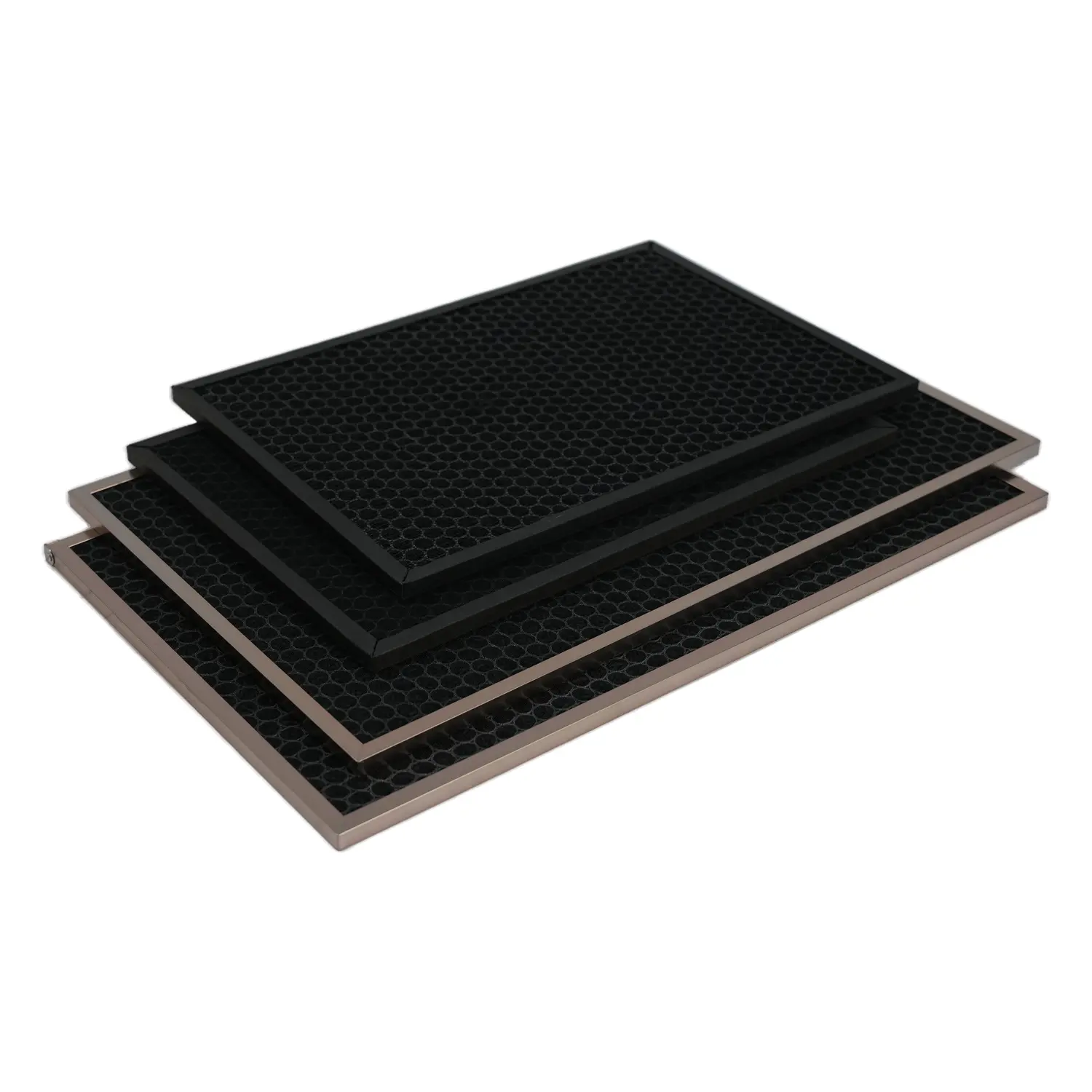
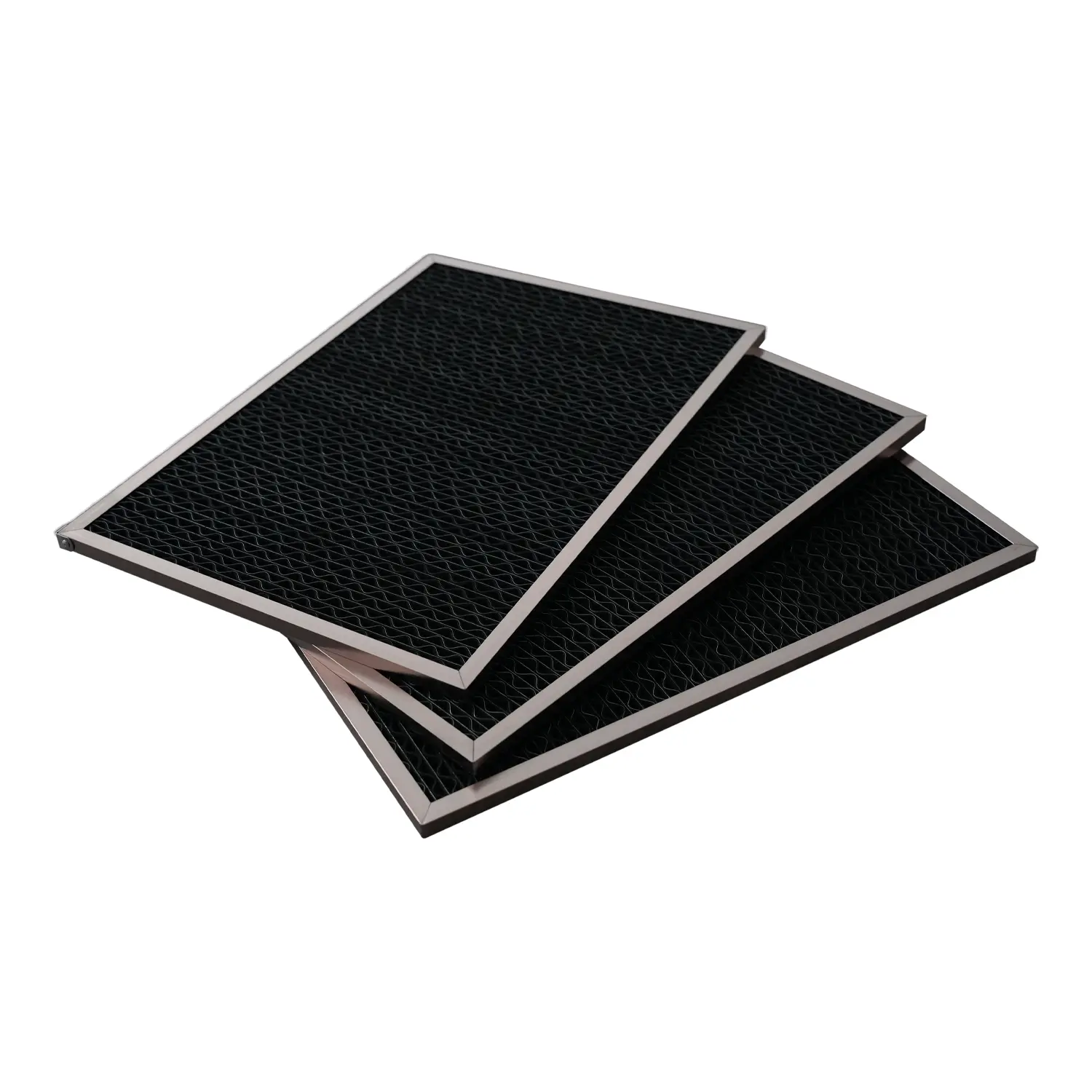
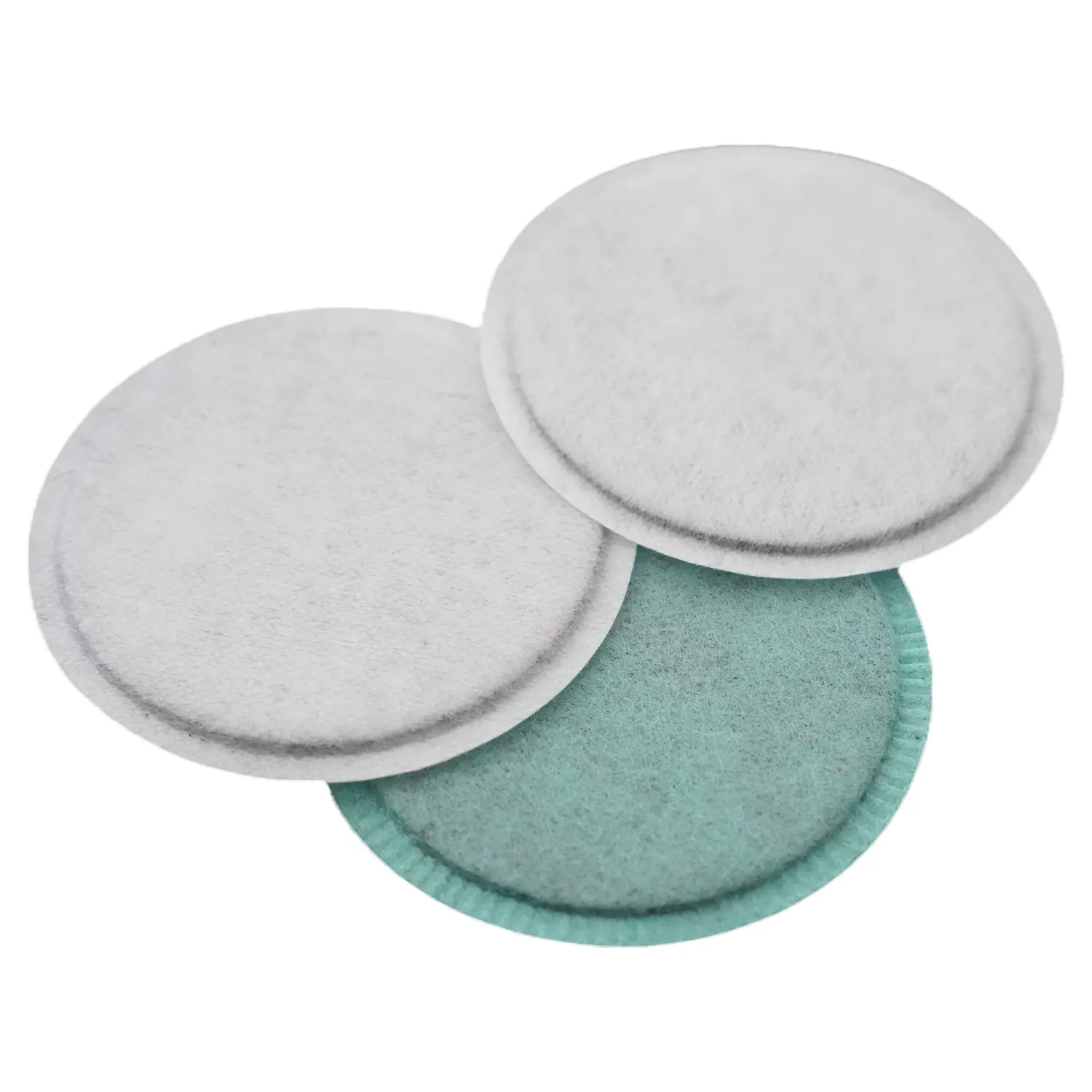
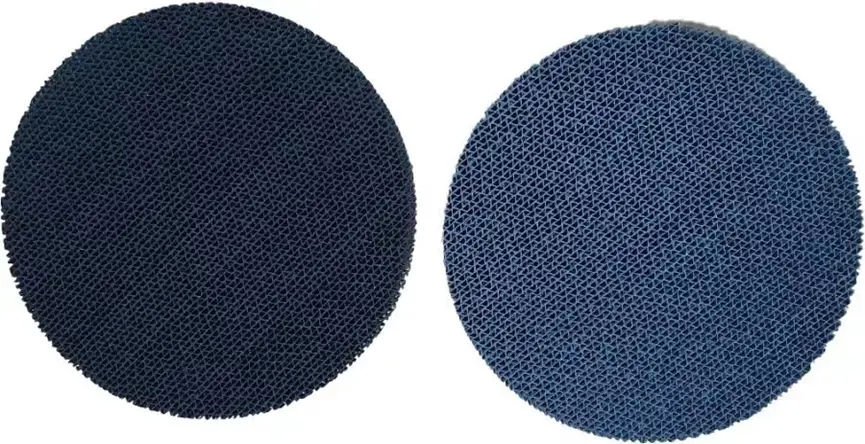
A corrugated filter is a pleated filtration design that uses a wave-shaped structure to increase the effective filtration area within a limited space. Unlike flat filters that use a single layer of media, corrugated filters create a three-dimensional surface through multiple folds, improving particle capture while maintaining efficient airflow.
The pleated structure can be customized through adjustments to pleat height, spacing, and media density. By increasing filtration area and reducing face velocity, corrugated filters offer higher dust-holding capacity and more stable pressure drop performance during operation.
The folded structure also improves mechanical strength, helping the filter maintain its shape under high airflow conditions and reducing the risk of deformation compared with flat filter media.
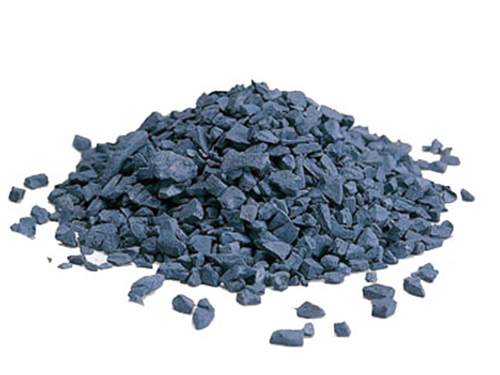
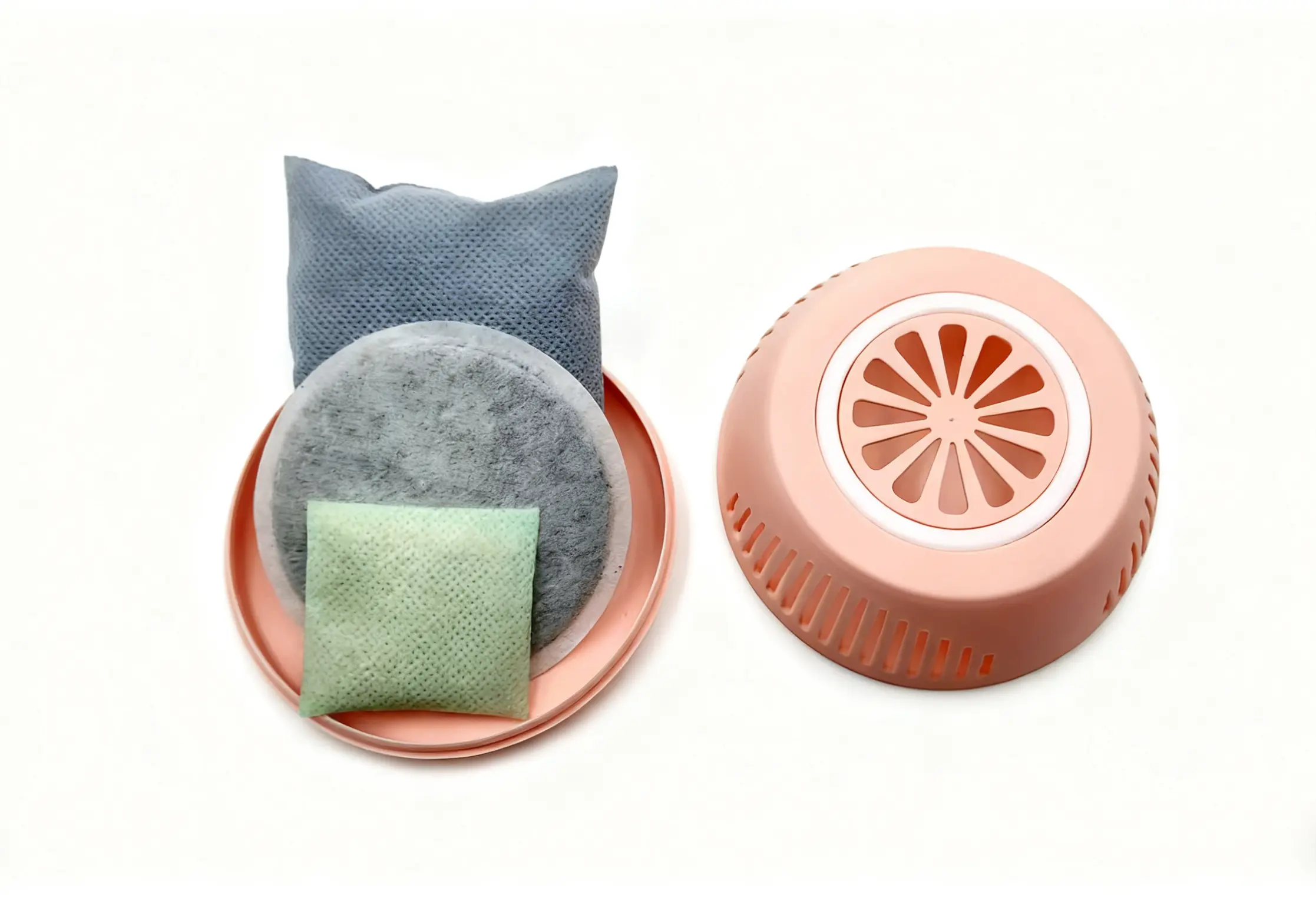
For applications requiring both particle and gas filtration, HRFIL corrugated filters combine pleated media with powdered activated carbon loaded with low-temperature catalysts. The catalyst particles are evenly distributed on the corrugated substrate to improve contact with harmful gases, supporting the removal of VOCs such as ammonia, acetaldehyde, acetic acid, formaldehyde, and toluene. These filters are tested according to standards including Japan’s JEM1467 and Korea’s CA TEST.
What Is a Flat Filter?
A flat filter is a traditional filtration design that uses a flat sheet of filter media installed within a supporting frame. Its simple structure makes it easy to manufacture, install, and replace, making it suitable for applications where cost is the primary consideration.
Flat filters are commonly made from materials such as nonwoven fibers, paper, or synthetic media. However, their limited filtration area restricts dust-holding capacity, and airflow resistance tends to increase faster as contaminants accumulate.
Because air passes through a single flat layer, flat filters typically operate at higher face velocity, which can reduce particle capture efficiency and shorten service life. For applications requiring lower energy consumption, longer replacement cycles, or VOC removal, corrugated filter designs often provide better overall performance.
Head-to-Head Comparison: Key Metrics at a Glance
To understand which filter type performs better, it helps to see the numbers side by side. The table below compares corrugated and flat filters across ten critical performance and economic metrics, based on independent laboratory testing and field data.
| Characteristic | Filtre ondulé | Flat Filter |
|---|---|---|
| Effective Surface Area | Up to 50% more than flat media of the same footprint | Baseline (1x) |
| Initial Pressure Drop (at rated airflow) | 30–50% lower (e.g., 47% reduction reported) | Higher; increases steeply with loading |
| Service Life (hours to reach final resistance) | 37% longer in comparable applications | Shorter; saturates quickly |
| Particle Capture Efficiency (sub-micron) | Higher due to lower face velocity and diffusion | Lower; high velocity reduces capture |
| Dust-Holding Capacity | Significantly greater (more media volume) | Limited by single-layer volume |
| Chemical Filtration (VOC/gas removal) | Excellent; supports catalyst-loaded carbon media | Poor; minimal media for adsorption |
| Structural Stability at High Flow | Excellent—pleats resist deformation | Prone to sagging or tearing |
| Energy Consumption (fan power) | Reduced—lower resistance saves electricity | Higher—the system works harder |
| Initial Purchase Cost | Higher due to complex manufacturing | Lower; simple production |
| Total Cost of Ownership (over 1 year) | Lower—savings from energy + fewer change-outs | Higher—frequent replacements + energy waste |
These numbers are not pulled from thin air. For example, tests conducted on corrugated synthetic filter media have demonstrated a 47% lower pressure drop, 37% longer service life, and 16% better pulse-cleanability compared to flat alternatives. Another study reported that corrugated geometries can reduce energy consumption by up to 80% in membrane systems, though air filtration yields slightly more modest but still substantial savings.
Why Surface Area Matters in Corrugated Filters
The key advantage of a corrugated filter is its increased filtration area. Compared with flat filter media, the pleated structure can provide significantly more effective surface area within the same footprint, allowing the filter to capture more particles while maintaining lower face velocity.
A larger filtration area improves dust-holding capacity and reduces the risk of particle breakthrough. By spreading airflow across more media, corrugated filters support better particle capture mechanisms such as diffusion and interception, helping maintain filtration efficiency for a longer period compared with flat filters of the same size.
This advantage is especially valuable in chemical filtration applications. HRFIL corrugated filters combine pleated media with low-temperature catalyst-loaded activated carbon powder, which is evenly distributed across the substrate. The increased surface area improves contact between the filter media and harmful gases, supporting the removal of VOCs such as ammonia, acetaldehyde, acetic acid, formaldehyde, and toluene. These filters are tested according to standards including Japan’s JEM1467 and Korea’s CA TEST.
Pressure Drop: Why Corrugated Filters Improve Energy Efficiency
Pressure drop is a critical factor in filter performance because higher resistance requires fans and blowers to consume more energy. Over long operating periods, even small reductions in pressure drop can significantly reduce system operating costs.
The pleated structure of corrugated filters increases airflow channels and reduces face velocity, allowing air to pass through the media with less resistance. Compared with flat filters, corrugated designs typically maintain lower pressure drop and more stable airflow performance as dust accumulates.
For HVAC systems, automotive cabin air filters, and air purification equipment, lower pressure drop means improved energy efficiency, reduced load on fans, and longer operating intervals before filter replacement is required.
Service Life and Total Cost of Ownership
Corrugated filters generally provide longer service life because their larger filtration area allows them to hold more dust before reaching the final pressure drop limit. This reduces replacement frequency and helps lower maintenance costs over the filter’s operating cycle.
Although corrugated filters may have a higher initial purchase cost than flat filters, the total cost of ownership can be lower due to fewer replacements, reduced labor requirements, and lower energy consumption. For large-scale HVAC or industrial applications, these operational savings can offset the higher upfront investment.
When evaluating filter costs, procurement teams should consider not only the purchase price but also the long-term impact of energy consumption, maintenance frequency, and system performance.
Chemical Filtration: An Advantage of Corrugated Designs
For applications requiring VOC and odor removal, corrugated filters offer advantages beyond particulate filtration. Their larger surface area allows more activated carbon or catalytic materials to be incorporated, improving adsorption capacity and gas-contact efficiency.
HRFIL corrugated filters use low-temperature catalyst-loaded activated carbon powder distributed across the corrugated substrate. This structure increases contact between gas molecules and catalytic materials, supporting the removal of ammonia, acetaldehyde, acetic acid, formaldehyde, and toluene.
Compared with flat filters, corrugated designs provide more space for functional materials and longer contact time, making them suitable for applications such as indoor air purifiers, automotive cabin filtration, and ventilation systems where VOC control is required.
Filtration Mechanisms and Particle Capture Efficiency
To understand why corrugated filters outperform flat ones, it helps to revisit the basic mechanisms of particle capture: diffusion, interception, inertial impaction, and electrostatic attraction. Diffusion dominates for sub-micron particles (below 0.1 µm), while interception and impaction are more important for larger particles.
In a flat filter, the high face velocity reduces the time available for diffusion, and the straight-through flow path limits interception opportunities. Particles tend to follow streamlines and may pass through if they are small enough. In a corrugated filter, the lower face velocity gives smaller particles more time to diffuse to fiber surfaces. The pleated geometry also creates turbulent eddies and flow redirection near the pleat tips, enhancing interception and impaction for larger particles. This multi-mechanism advantage means that corrugated filters often achieve higher overall efficiency across the entire particle size spectrum, not just for coarse dust.
Flexibilité et personnalisation de la conception
Corrugated filters offer far greater design flexibility than flat filters. The pleat height, spacing, angle, and media thickness can all be tailored to specific airflow, efficiency, and space requirements. For example, deeper pleats increase surface area but may also increase pressure drop if not optimized. Manufacturers like HRFIL use computational fluid dynamics (CFD) to model airflow through different pleat configurations, ensuring the optimal balance for each application.
Flat filters, by contrast, have virtually no design variables beyond media type and thickness. This simplicity may be an advantage for low-cost, disposable applications, but it severely limits performance optimization for demanding environments.
Installation and Maintenance Considerations
From a practical standpoint, corrugated filters are generally easier to handle and install because their rigid structure holds its shape, reducing the risk of damage during shipping and mounting. They fit securely in standard filter frames and maintain a consistent seal along the edges. Flat filters, especially those made of soft media, can sag or curl, leading to bypass leakage—unfiltered air sneaking around the edges—which compromises overall system efficiency.
Maintenance is also simpler with corrugated filters. Many designs are cleanable by reverse pulse-jet or vacuum, thanks to their structural integrity. The 16% better pulse-cleanability reported in some studies means that in industrial dust collection systems, corrugated filters can be cleaned more effectively, extending their useful life even further. Flat filters, if cleaned at all, often suffer media damage or permanent deformation.
Industry Standards and Certification
When comparing filter types, it’s essential to look at independent test standards. The most common global standards include ISO 16890 (for general ventilation filters), ASHRAE 52.2 (MERV ratings), and EN 779/EN 1822 (European classifications). Corrugated filters typically achieve higher MERV ratings or ISO ePM categories than flat filters of the same media material, simply because the increased surface area allows for finer fibers without excessive pressure drop.
HRFIL’s corrugated filters are tested to JEM1467 (Japanese standard for air cleaners) and Korea’s CA TEST, ensuring they meet strict performance criteria for both particulate and gas removal. These certifications provide third-party validation that flat filters often lack.
Application-Specific Recommendations
The choice between corrugated and flat filters ultimately depends on the application. Here’s where each type performs best.
Corrugated filters are ideal for:
-
High-efficiency air purifiers for homes, offices, and healthcare facilities
-
HVAC systems in commercial buildings where energy costs are a major concern
-
Automotive cabin air filtration, where space is tight but performance demands are high
-
Fresh air ventilation systems require a consistent low pressure drop over time
-
Industrial cleanrooms and pharmaceutical manufacturing, where both particles and VOCs must be controlled
-
Dust collection systems with pulse-jet cleaning
Flat filters may be suitable for:
-
Very low-cost, disposable pre-filters that are changed weekly
-
Applications with extremely low airflow (e.g., small electronic enclosures)
-
Temporary or emergency filtration where performance is not critical
-
Situations where filter depth is severely limited (e.g., thin slot designs)
Environmental and Sustainability Impact
Sustainability is an increasingly important consideration. Corrugated filters, by lasting longer, generate less waste—fewer used filters end up in landfills. Their lower pressure drop also reduces energy consumption, which lowers the carbon footprint of the operating system. Additionally, many corrugated filters are made from recyclable synthetic fibers or can be incinerated for energy recovery.
Flat filters, while simpler to recycle if made of single-material paper, are often discarded more frequently, leading to higher waste volumes. When you factor in the energy savings, the corrugated filter has a clear environmental advantage over its lifetime.
Future Trends and Innovations
The filtration industry is moving toward smarter, more efficient solutions. Corrugated filters are at the forefront of this trend, with innovations like antimicrobial coatings, electrostatically charged media, and integrated IoT sensors that monitor pressure drop and predict change-out times. Manufacturers are also experimenting with bio-based corrugated materials to improve sustainability. Flat filters, given their basic design, offer less room for innovation and are likely to be gradually phased out in high-performance segments.
Conclusion
The corrugated filter outperforms the flat filter across nearly every meaningful metric—surface area, pressure drop, service life, chemical filtration capability, and total cost of ownership. With up to 50% more effective surface area, 47% lower pressure drop, 37% longer service life, and energy savings that quickly offset the higher initial cost, the corrugated filter represents a smarter investment for applications ranging from air purifiers to HVAC systems to automotive cabin filtration. If you’re serious about air quality, energy efficiency, and long-term cost savings, the choice is clear.
Ready to upgrade your filtration system? Explore HRFIL’s range of corrugated filters—engineered with low-temperature catalyst-loaded activated carbon and certified to JEM1467 and CA TEST standards. Contact our team today to find the right configuration for your specific airflow, efficiency, and gas-removal needs, and start saving on energy and maintenance costs from day one.