Introduction
Let us start with a scenario that plays out in engineering departments every week. You have an air or water treatment project. The specification calls for activated carbon. Your immediate instinct is to reach for granular activated carbon (GAC)—the old reliable, the industry standard for decades. It is familiar. It is easy to source. The price is predictable.
But a newer option keeps appearing in your research: modified activated carbon fiber felt. The suppliers claim it adsorbs faster, lasts longer, and handles specific contaminants better. Yet it costs significantly more per kilogram. So here is the question that procurement and engineering teams actually need answered: Is the upgrade worth it?
This guide does not give you marketing hype. It gives you a straight engineering comparison based on peer-reviewed studies, market data, and real application results. You will learn exactly where modified activated carbon fiber felt outperforms granules, where it falls short, and most importantly—how to calculate whether the switch makes financial sense for your specific operation.
Understanding What Modified Activated Carbon Fiber Felt Actually Is
Before we can compare, you need to understand what makes modified activated carbon fiber felt fundamentally different from the granular carbon sitting in your storeroom.
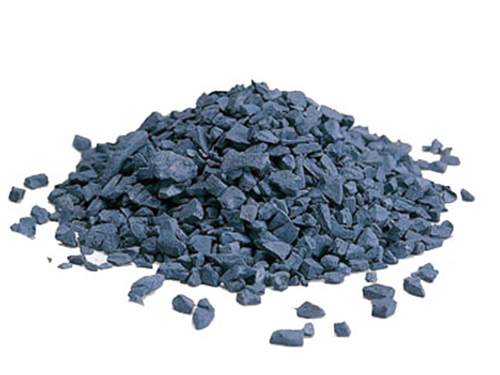
Standard activated carbon—whether granular (GAC), powdered (PAC), or extruded—consists of irregular particles or pellets with a complex, tortuous pore network. Macropores on the particle surface branch into mesopores and finally into micropores, creating a long diffusion path that molecules must navigate before reaching an active adsorption site.
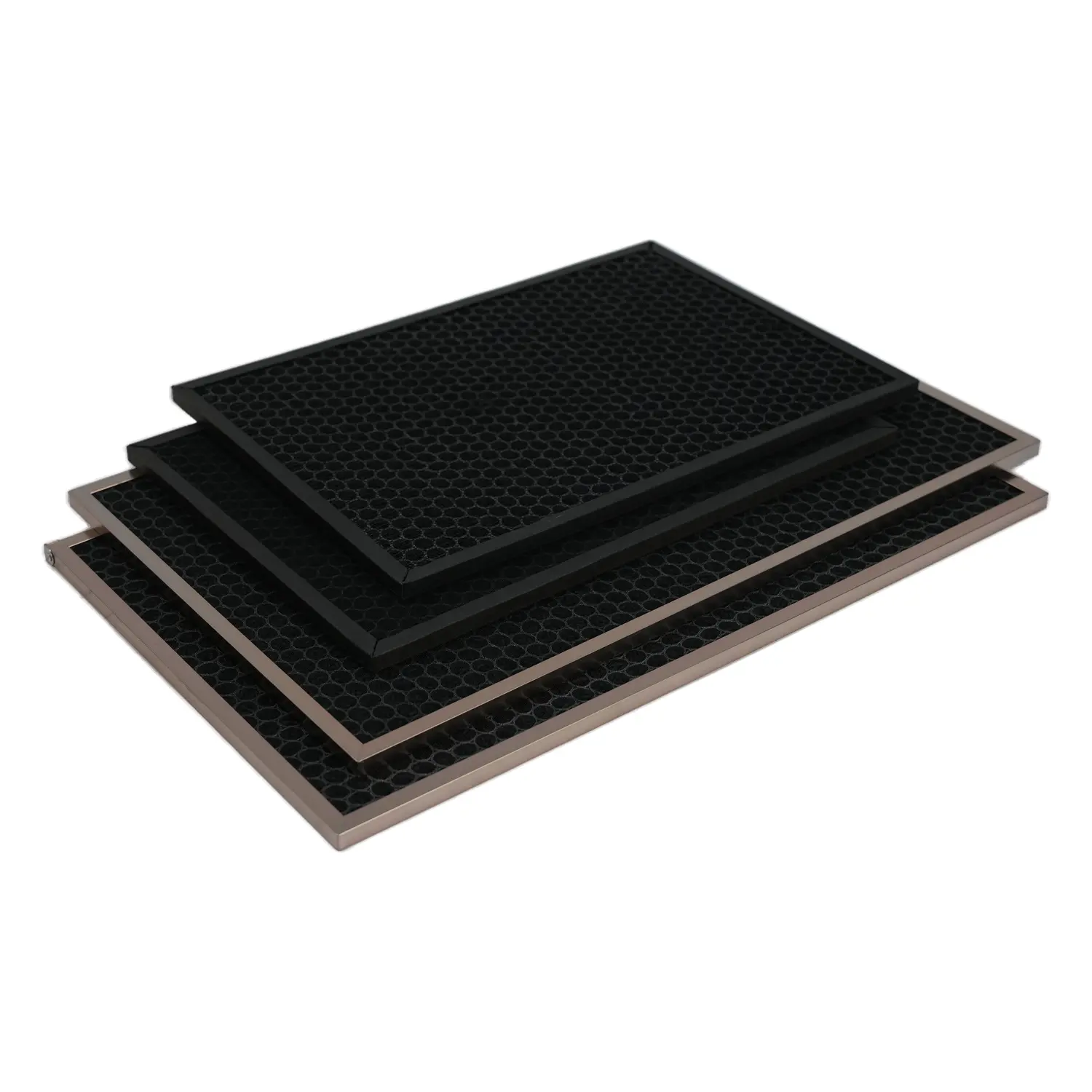
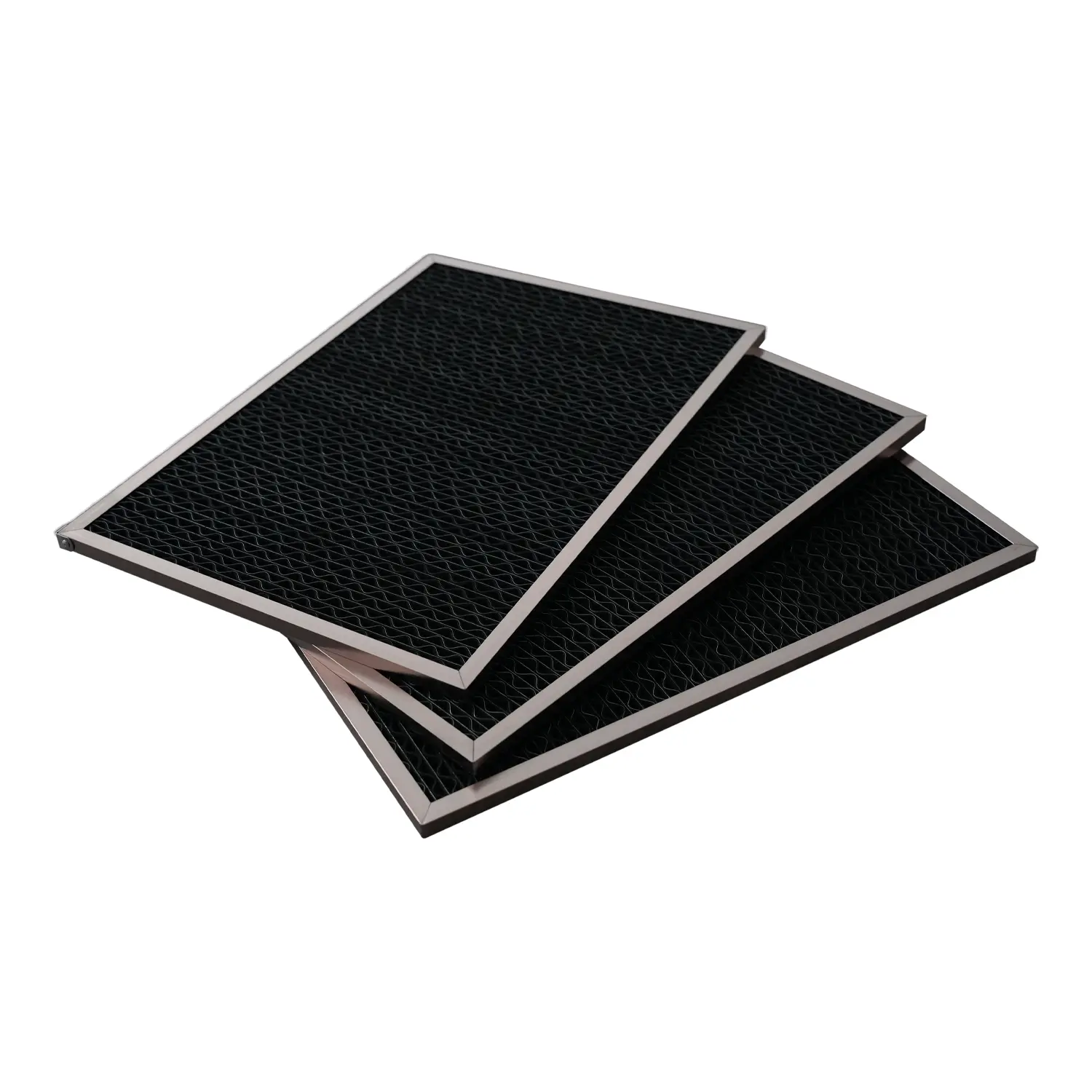
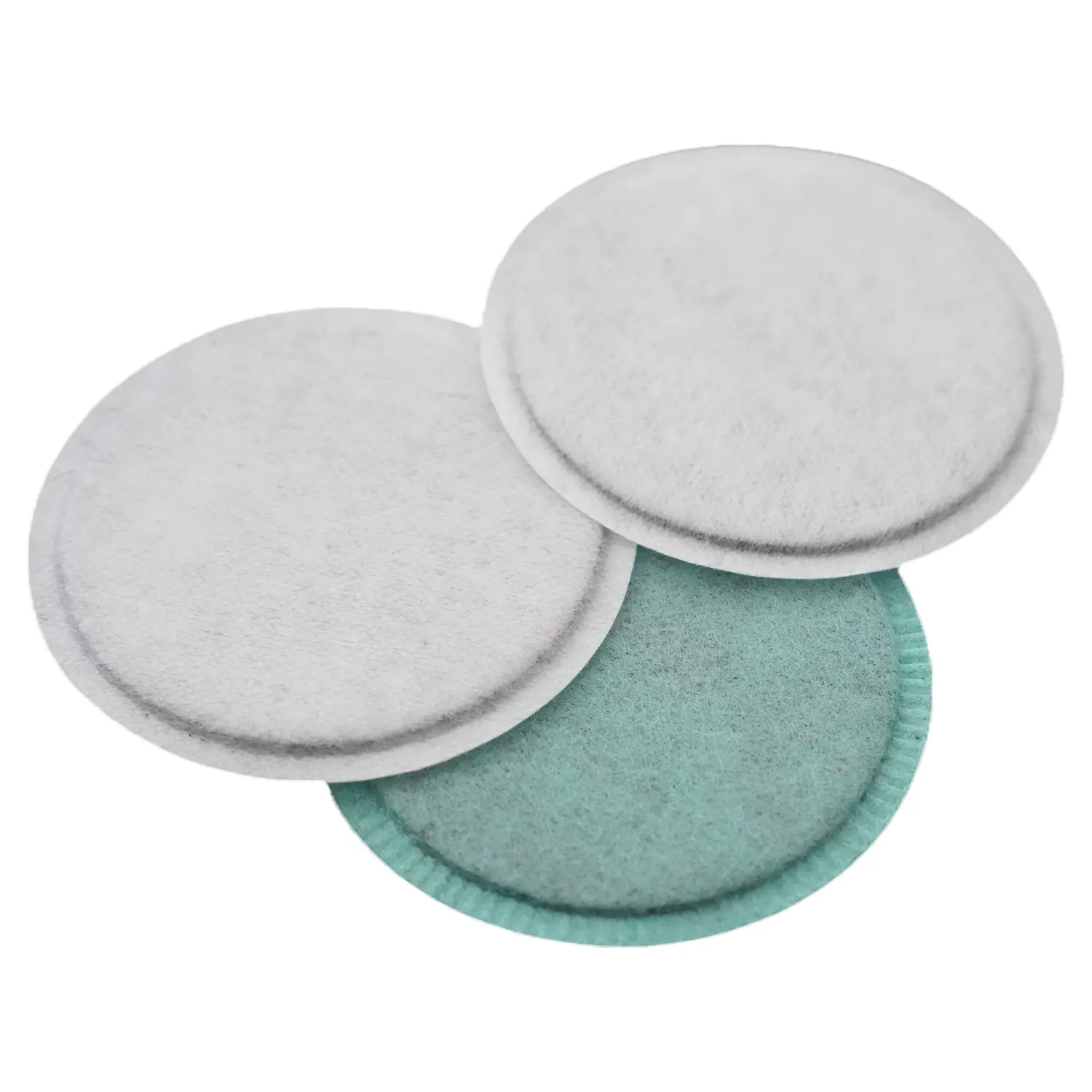
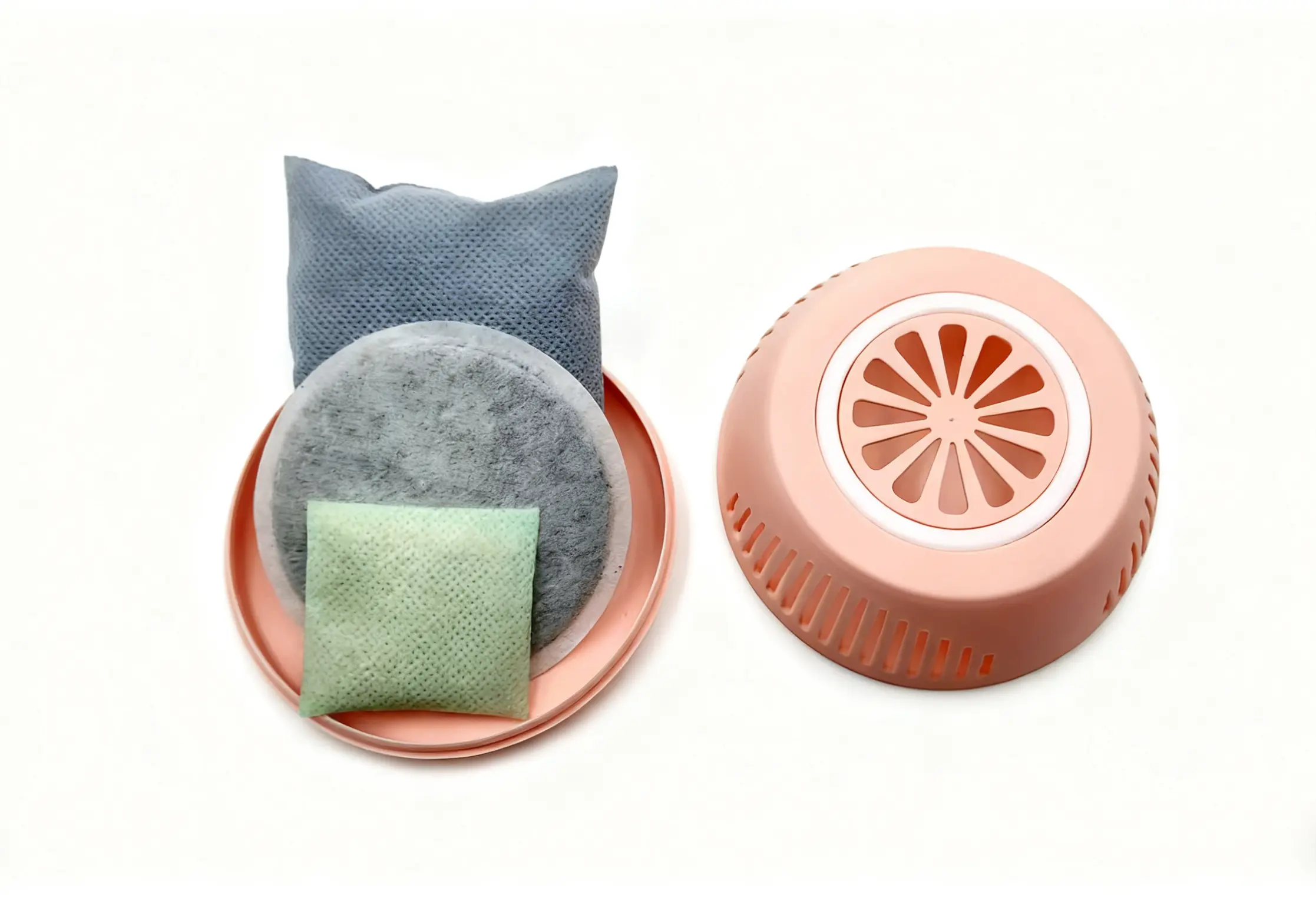
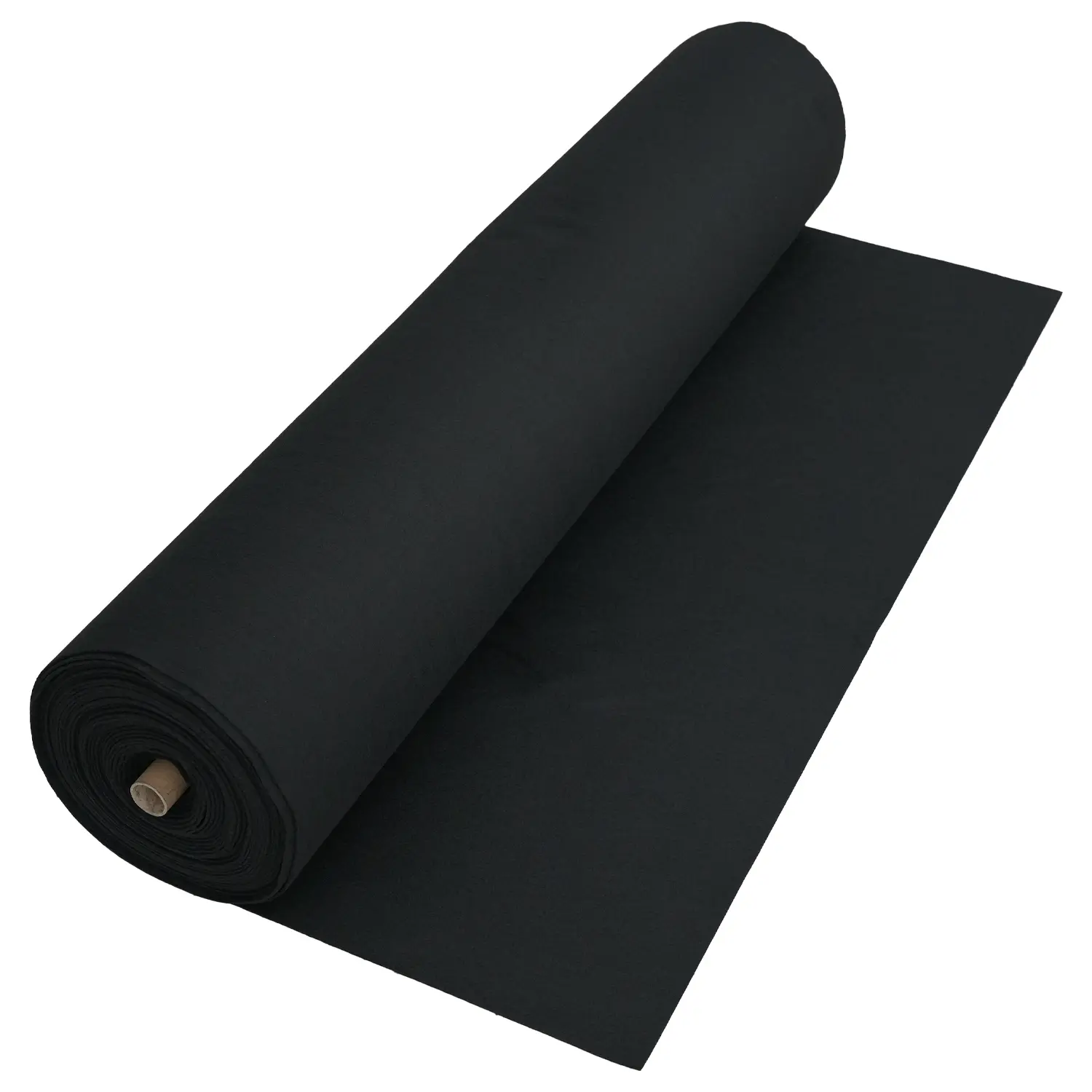
Modified activated carbon fiber felt flips this architecture on its head. The material begins as a non-woven felt of precursor fibers (typically polyacrylonitrile, viscose, or phenolic resin), which undergoes carbonization and activation to develop porosity. The resulting structure consists of straight, uniform micropores that open directly onto the fiber surface. This means adsorbate molecules do not have to wind through a maze of pores—they travel a short, direct path to active sites. The activated carbon fiber felt offers surface areas ranging from 800 to 2000 m²/g, fully comparable to or exceeding GAC.
The “Modified” Difference
Where modified activated carbon fiber felt truly separates itself from both GAC and standard ACF felt is in the surface chemistry. Modification introduces targeted functional groups or catalytic species onto the fiber surface through methods such as liquid-phase oxidation, plasma treatment, or hydrothermal synthesis. This transforms the material from a passive adsorbent into an “adsorption-catalysis” synergistic platform. The dispersion of catalysts is excellent, and the loading can be tailored for different target contaminants and usage environments.
A standard unmodified ACF felt is already a high-performance adsorbent. But the modified activated carbon fiber felt goes further: it does not just trap molecules—it chemically transforms them through catalytic reactions, achieving deeper removal and, in many cases, actually regenerating active sites in the process.
How Modified Activated Carbon Fiber Felt Compares to Granular Carbon
This is where the data matters. Industry studies have repeatedly compared fibrous activated carbon (FAC) to granular activated carbon (GAC), and the findings consistently point in the same direction.
Research comparing fibrous activated carbon cloth and felt to granular activated carbon found that “performance of fibrous activated carbon is significantly better than that of granular activated carbon, and is quite similar to that of powder activated carbon”—but without the handling difficulties of powder. The superior performance comes from the direct connection of micropores to the fiber’s external surface, which reduces mass transfer resistance and speeds up adsorption kinetics.
Let us break down the key performance metrics side by side.
| Parameter | Granular Activated Carbon (GAC) | Modified Activated Carbon Fiber Felt |
|---|---|---|
| Pore structure | Tortuous network (macro→meso→micro) | Straight, uniform micropores |
| Specific surface area | 800–1500 m²/g | 800–2000 m²/g |
| Adsorption rate | Slower (diffusion-limited) | 2–3× faster (direct micropore access) |
| Breakthrough time (toluene, same mass) | ~25 min | ~45 min (≈80% longer) |
| Pressure drop | Moderate | Low (especially in felt form) |
| Regeneration | Energy-intensive, often incomplete | Mild conditions (60–150°C, 15 min) |
| Form factor | Rigid granules (requires containment) | Flexible felt (cut, fold, conform) |
| Catalytic functionality | Limited (requires separate catalyst) | Integrated (adsorption + catalysis) |
*Data sources: toluene breakthrough comparison from Moses-DeBusk et al. 2026; surface area ranges from industry standards; pressure drop data from NIOSH research*
The Breakthrough Time Advantage
A 2026 study from Oak Ridge National Laboratory tested modified activated carbon fiber felt against conventional adsorbents for toluene removal—a representative VOC found in indoor air, industrial emissions, and many other applications. Using identical adsorbent weights under the same conditions, the breakthrough time for ACF felt was 45 minutes compared to just 25 minutes for GAC. That is nearly double the service life from the same weight of material—a difference that directly translates to longer filter change intervals and lower maintenance costs.
The Adsorption Capacity Picture
The relationship between surface area and adsorption capacity requires careful interpretation. A NIOSH study comparing ACF and GAC found that GAC with a surface area of 1800 m²/g had a 25% higher adsorption capacity than the average of ACF samples with 1000 m²/g. However, ACF samples with surface areas of 1500 m²/g and above had 40% higher adsorption capacities than GAC. The lesson is straightforward: not all ACF is created equal. High-quality modified activated carbon fiber felt with adequate surface area outperforms GAC decisively. Lower-quality ACF—like lower-quality GAC—will underperform.
For modified versions, the performance gap widens further. Oxygen-rich modified activated carbon fiber felt achieved a dynamic NH₃ adsorption capacity of 3.70 mmol/g with a bed utilization rate 44% higher than commercial GAC.
Where Modified Activated Carbon Fiber Felt Shines
If you are evaluating modified activated carbon fiber felt for your operation, certain applications deliver outsized returns on the higher upfront cost.
Air Purification and VOC Removal
The Oak Ridge study was not an isolated finding. A comprehensive review of activated carbon fiber cloths and felts for environmental protection confirmed that ACFs are highly effective adsorbents for capturing VOCs, including toluene, benzene, xylene, acetone, and dichloromethane, across a wide range of concentrations. In HVAC applications, electrothermal regeneration of ACF media at ~150°C for 15 minutes yields consistent VOC removal efficiencies of 70–80% across multiple cycles, and even regeneration with unheated outdoor air achieves 50–60% subsequent efficiency. The implications for energy savings are substantial. One model found that combining ACF air cleaning with a 50% reduction in ventilation rates could decrease indoor VOC concentrations by 60–80% while reducing heating and cooling energy requirements by 35% to nearly 50%. For a building owner or facility manager, those numbers translate directly to operating cost reductions.
Industrial Odor Control and Specialty Gas Removal
Where modified activated carbon fiber felt truly excels is in applications requiring the selective removal of specific contaminants. Hongrun’s modified ACF felt achieves targeted loading of low-temperature catalysts for different usage environments and different target harmful gases, with significant improvement in the removal rate of formaldehyde, acetaldehyde, ammonia, acetic acid, and toluene under ambient temperature and pressure. This is not generic adsorption—it is engineered chemistry.
Wastewater and Heavy Metal Treatment
The wastewater treatment sector is adopting modified activated carbon fiber felt at an accelerating pace. With global water scarcity affecting nearly 40% of the population and industrial wastewater volumes increasing by 8% annually, water treatment applications already account for over 35% of total activated carbon felt consumption.
Recent research demonstrates the power of modification. Plasma-assisted MnO surface engineering on ACF felt achieved maximum adsorption capacities of 163.39 mg/g for Cu(II) and 214.59 mg/g for Cd(II), with the modified material maintaining effective performance for up to five cycles. Integration of MnO₂ nanostructures increased specific capacitance from 31.5 F/g to 65.8 F/g, enabling superior chromium removal through capacitive deionization. Even simpler modifications—such as plasma treatment of viscose rayon-based ACF felt—maintained 60% removal efficiency for heavy metals across five cycles. For industrial facilities subject to tightening heavy metal discharge regulations, the combination of higher capacity and reusability can justify the material switch within a single fiscal year.
CO₂ Capture
The direct air capture (DAC) sector has also recognized the potential of modified activated carbon fiber felt. ACF-K₂CO₃ composite felts are flexible, low-cost, chemically stable, and show stable CO₂ capture performance up to ten cycles. Another modification using epoxide-modified aminating agents achieved CO₂ adsorption of about 60 mg/g at 1000 ppm CO₂ with mild-temperature regeneration at 60°C.
The Financial Reality: When Is the Premium Justified?
Let us be direct about the economics. The activated carbon fiber market was valued at approximately USD 291 million in 2025 and is projected to reach USD 592 million by 2032, growing at a CAGR of 10.67%. The broader activated carbon fiber segment (including all forms) was estimated at USD 4.1 billion in 2025, with a projected CAGR of 7.7%. The activated carbon felt subsegment alone was valued at USD 234 million in 2024 and is expected to reach USD 389 million by 2032. That growth trajectory reflects increasing industrial acceptance—but it also reflects the cost premium that manufacturers must justify to customers.
Industry analysis indicates that the production costs for activated carbon felt are approximately 40% higher than those of conventional activated carbon products. That is a meaningful premium. The question is whether the operational savings—longer service life, lower pressure drop (which reduces fan energy costs), faster cycle times, and easier regeneration—offset that premium in your specific use case.
For high-flow, high-throughput applications where downtime is expensive, the faster kinetics and lower pressure drop of modified activated carbon fiber felt create value that GAC cannot match. For batch treatment of highly concentrated contaminants where adsorption capacity per gram is the only metric that matters, the premium may be harder to justify. For applications requiring selective removal of specific target compounds where GAC alone is insufficient, modified activated carbon fiber felt is not just better—it is the only solution that works.
What Hongrun Offers in Modified Activated Carbon Fiber Felt
Jiangsu Hongrun Purification Co., Ltd. produces modified activated carbon fiber felt designed to address real-world industrial purification challenges. The product offers several features that directly address the limitations of GAC:
-
Adsorption-catalysis synergy: Targeted loading of low-temperature catalysts achieves “adsorption-catalysis” deep synergy for different harmful gases based on the specific usage environment. The catalyst exhibits excellent dispersion across the felt structure.
-
Broad contaminant coverage: Significantly improves removal rates for formaldehyde, acetaldehyde, ammonia, acetic acid, and toluene under ambient temperature and pressure.
-
Extended service life: The combination of high adsorption capacity and catalytic regeneration capability delivers longer operational life between changeouts compared to conventional adsorbents.
-
Flexible and tailorable: Soft felt form factor suits complex shapes and custom configurations. MOQ is 100 kg with 20-day delivery, making the material accessible for both pilot projects and full-scale production.
-
Application-ready: Used in various air purification fields including odor removal filters, HVAC systems, industrial emission control, and specialty gas treatment.
The modification approach can be customized for different target contaminants. For air purification applications targeting VOCs, the catalyst loading can be tuned for specific compounds. For industrial odor control, the formulation can emphasize ammonia or sulfur compound removal. For wastewater applications, the surface chemistry can be engineered for heavy metal or organic pollutant adsorption.
How to Evaluate Whether the Switch Makes Sense for You
Making the decision between modified activated carbon fiber felt and GAC is not about which material is “better” in absolute terms. It is about which material is more cost-effective for your specific operating conditions.
Consider GAC if: Your application involves bulk organic removal at moderate concentrations where breakthrough time is not a critical constraint. Your operating conditions do not require rapid adsorption kinetics. Your regeneration capability is limited to high-temperature thermal reactivation. Your budget is the primary constraint, and the 40% premium for felt is prohibitive.
Consider modified activated carbon fiber felt if: Your application requires the removal of specific target compounds at trace concentrations where GAC performs poorly. Your adsorption cycle times need to be minimized to increase throughput. Your system is pressure-sensitive, and every Pascal of pressure drop matters. You need regeneration at mild conditions (60–150°C) rather than high-temperature thermal reactivation. Your filter change intervals need to be extended to reduce maintenance labor and downtime. You are dealing with contaminants where catalytic conversion is beneficial or necessary.
Conclusion
So, is modified activated carbon fiber felt worth it over granular carbon?
It depends on your application. For low-concentration, high-flow systems where pressure drop and adsorption speed directly affect operating cost, modified activated carbon fiber felt usually delivers better efficiency and longer service life. For simpler applications with moderate loads, granular activated carbon can still be the more economical choice.
In practice, the gap is narrowing as fiber technology improves and environmental requirements become stricter, making modified activated carbon fiber felt increasingly competitive. The most reliable way to decide is still real-world testing in your own system.
If you are evaluating options, we can provide modified activated carbon fiber felt samples and technical support tailored to your application.