
Abstract
This comprehensive guide explores the corrugated filter for air purification as an advanced deodorizing solution for commercial systems. Covering technical specifications, material engineering, regulatory compliance, and industrial applications, this article serves as a definitive resource for procurement managers, HVAC engineers, and facility operators seeking high-performance filtration for air purifiers and central AC systems. The corrugated filter for air purification represents a critical intersection of mechanical and chemical filtration technologies, delivering superior odor control and particulate removal in demanding commercial environments. With activated carbon integration and optimized airflow geometries, this corrugated filter for air purification addresses the growing need for indoor air quality management across healthcare, manufacturing, hospitality, and office facilities while maintaining energy efficiency and operational cost-effectiveness.
Understanding Corrugated Filter Technology for Deodorization
Core Structural Design and Airflow Mechanics
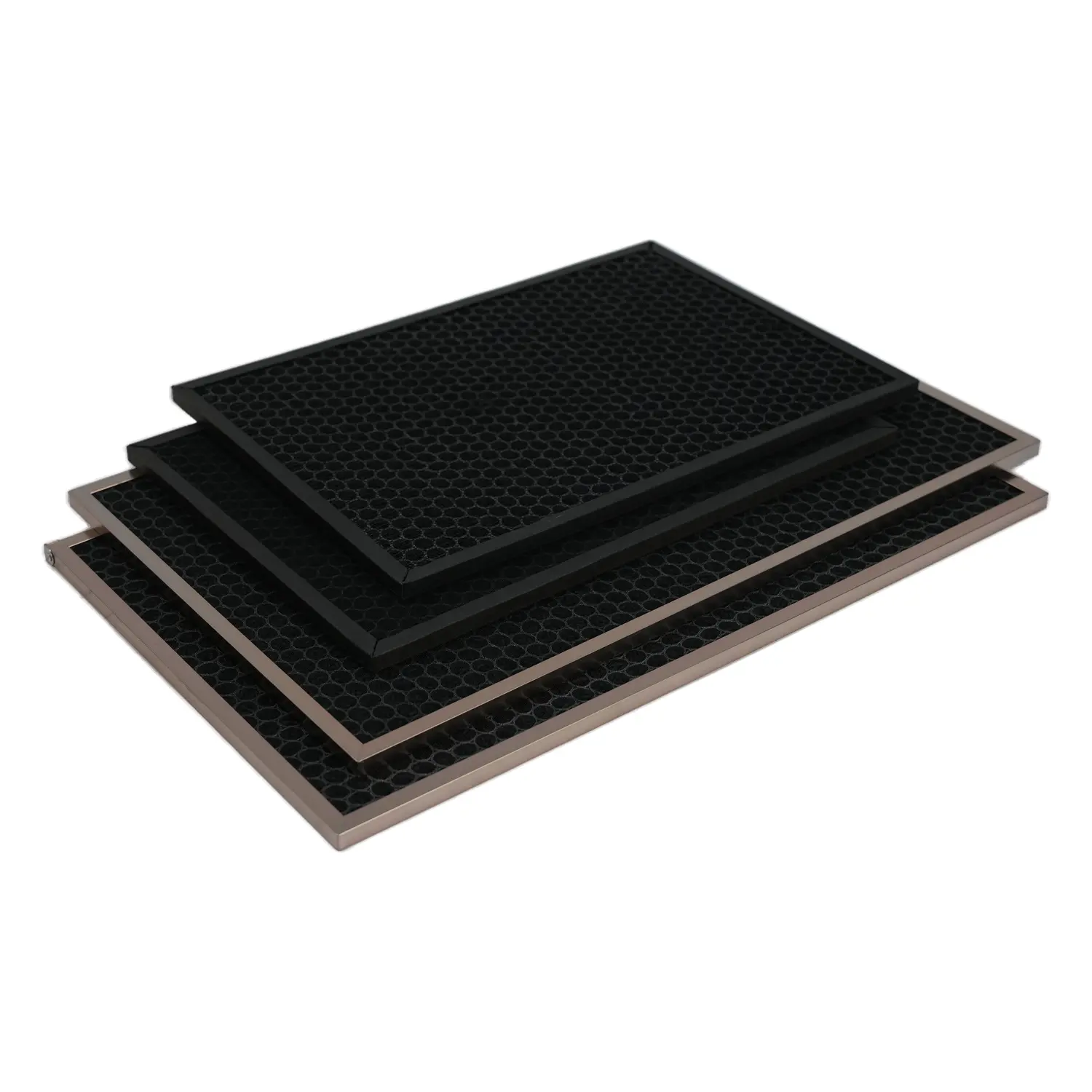
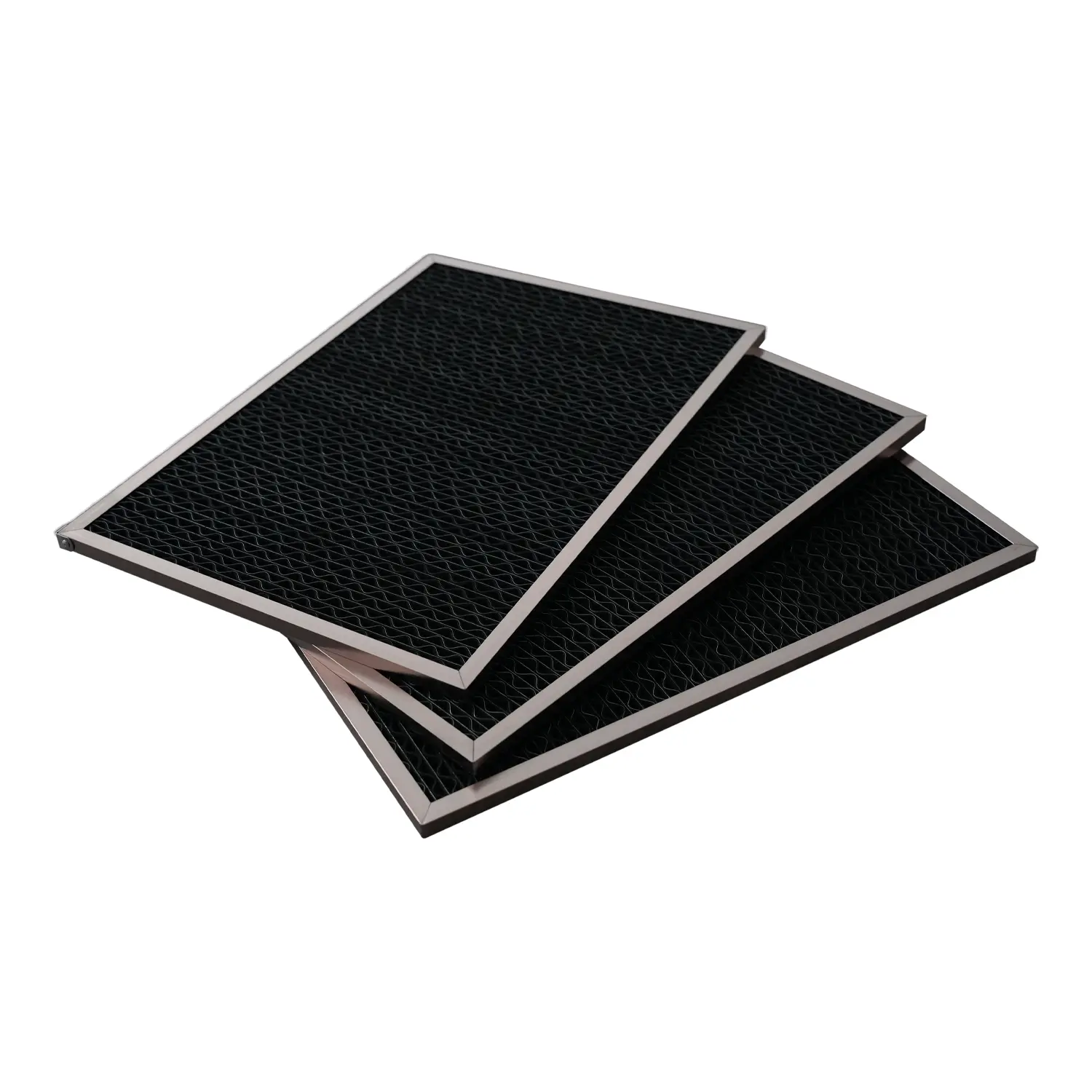
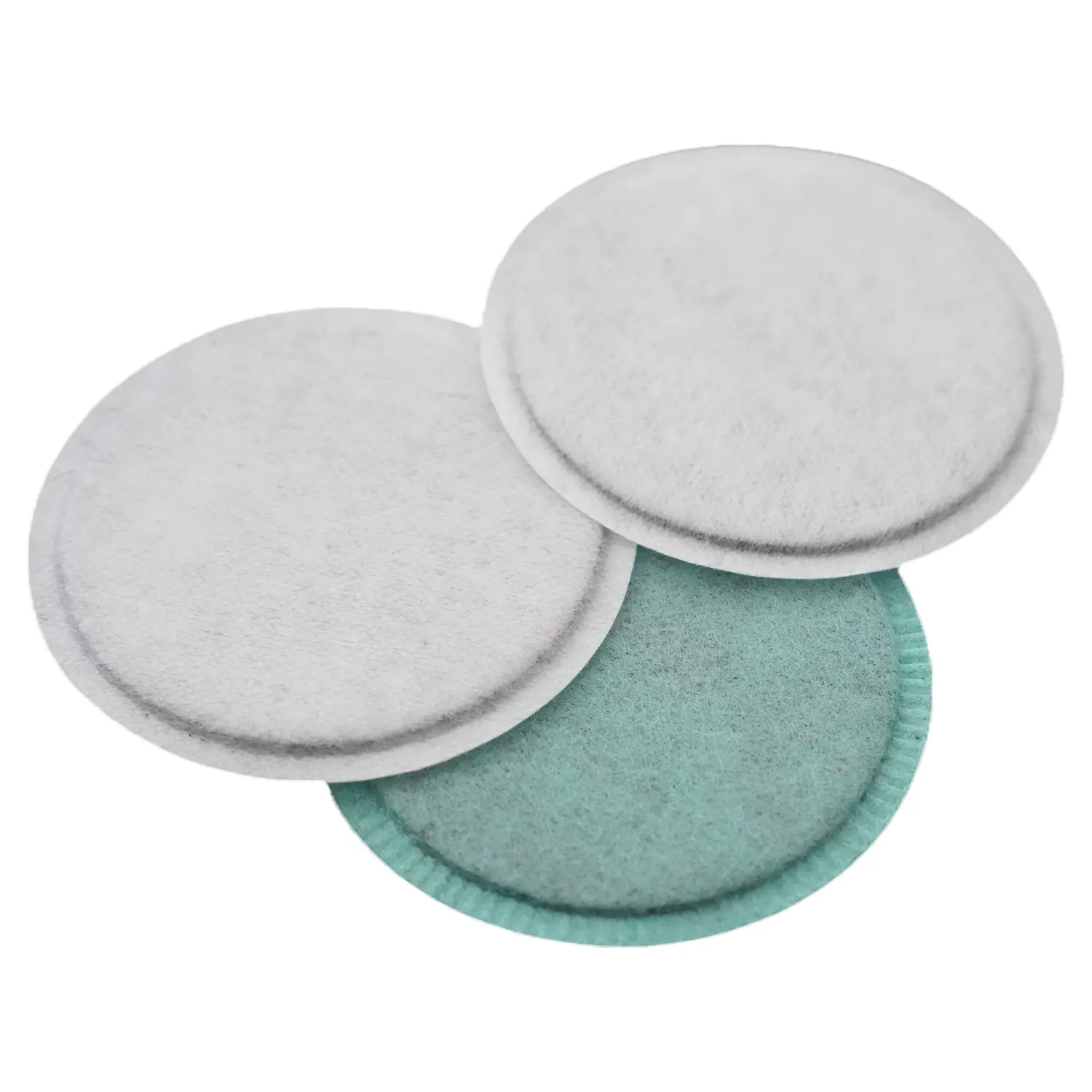
The corrugated filter for air purification fundamentally differs from conventional flat panel and pleated designs through its wave-pattern geometry. This structural configuration creates 40-60% greater surface area compared to equivalent-sized flat filters, directly enhancing particle capture efficiency and extending service intervals. The corrugated ridges induce controlled turbulent airflow patterns that force air molecules into prolonged contact with filter media, maximizing exposure time for both mechanical filtration and chemical adsorption processes.
The alternating peaks and valleys in corrugated structures create micro-vortices that improve particle impaction and interception mechanisms. Unlike standard pleated filters, where airflow channels remain relatively linear, the corrugated filter for air purification forces directional changes that increase collision probability between airborne contaminants and filter substrates. This turbulent flow regime proves particularly effective for capturing sub-micron particles and gaseous pollutants that would otherwise pass through conventional filters.
Airflow resistance management represents another critical advantage of the corrugated filter for air purification. The corrugated profile distributes pressure drop across a larger three-dimensional surface, reducing initial resistance by 15-25% compared to densely pleated alternatives of equivalent filtration efficiency. This translates to lower fan energy consumption in HVAC systems—a significant operational cost factor in commercial facilities running 24/7 air handling operations.
Activated Carbon Integration and Odor Removal Mechanisms
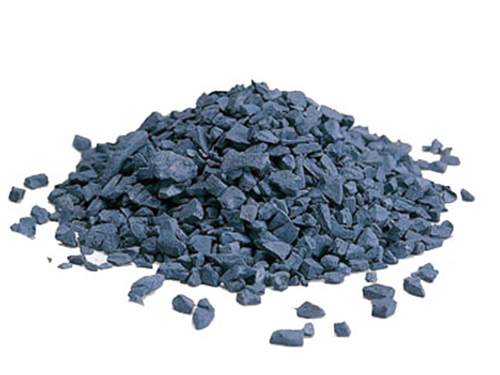
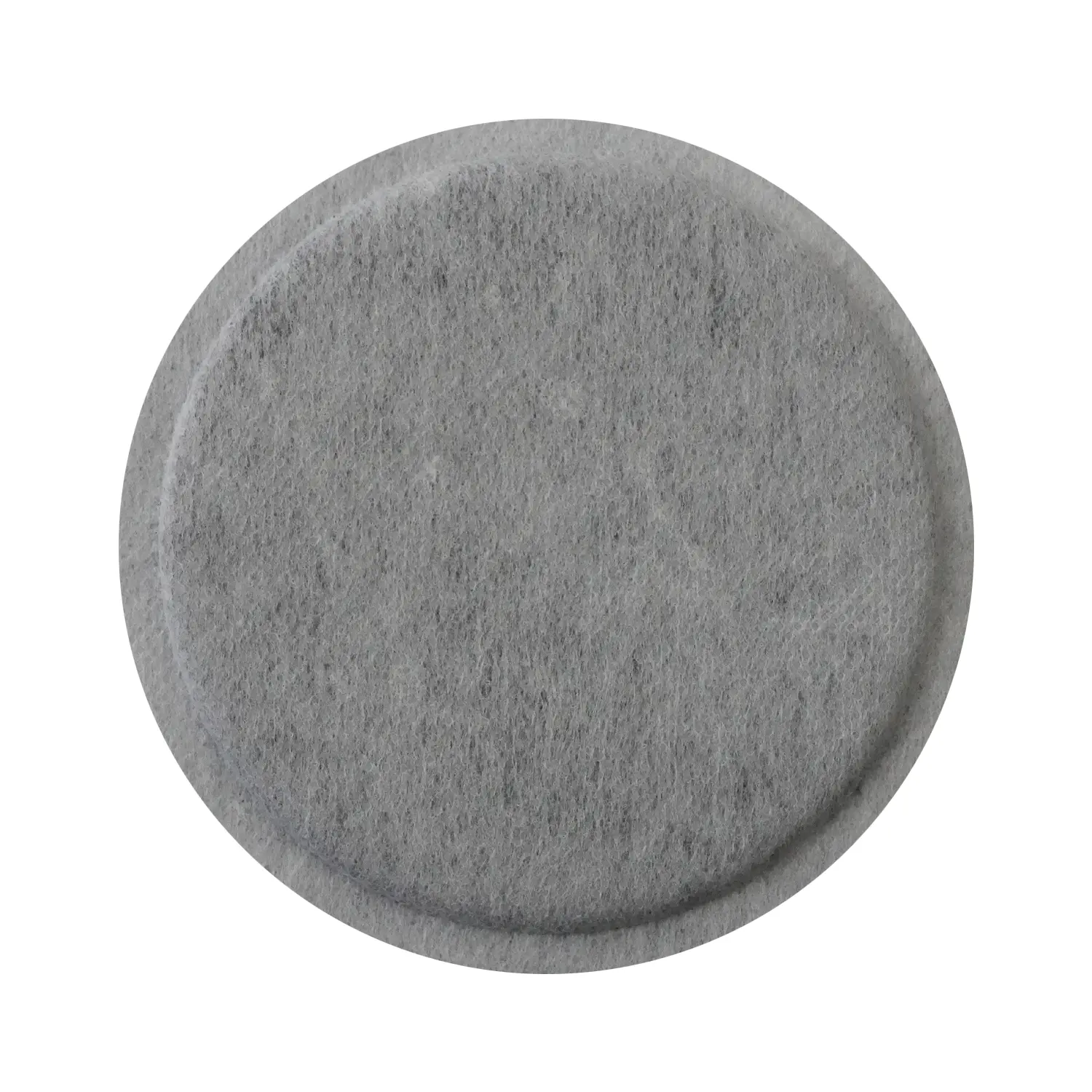
Activated carbon integration transforms the corrugated filter for air purification from a purely mechanical barrier into a dual-function system capable of chemical filtration. The adsorption process relies on carbon’s extremely high surface area (800-1500 m²/g) and microporous structure, which traps volatile organic compounds (VOCs), odor molecules, and gaseous contaminants through van der Waals forces and chemical bonding.
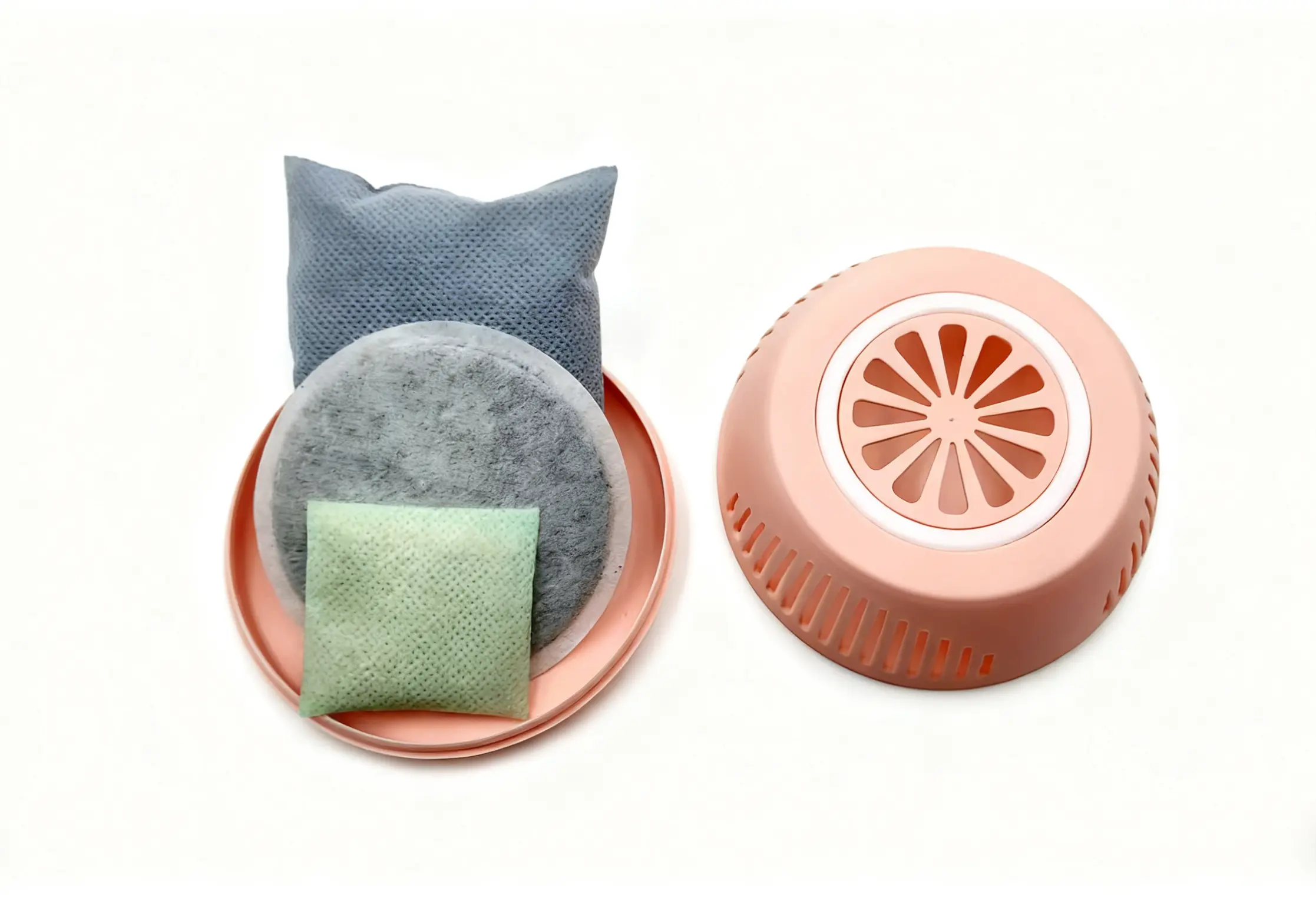
Modern corrugated deodorizing filters employ three primary carbon application methods. Impregnated substrate techniques involve bonding activated carbon particles directly into synthetic fiber matrices during manufacturing, creating uniform distribution throughout the filter depth. Coating applications apply carbon layers to corrugated media surfaces, optimizing contact with passing airstreams. Hybrid designs combine both methods, positioning high-density carbon zones at turbulent flow points for maximum adsorption efficiency. Each design variant of the corrugated filter for air purification offers distinct advantages depending on the target pollutants.
VOC removal rates vary by molecular weight and carbon activation level. Standard commercial corrugated filters for air purification achieve 65-85% single-pass removal efficiency for common indoor pollutants, including formaldehyde, benzene, and ammonia. Specialized formulations with chemically treated carbon (potassium permanganate or phosphoric acid activation) reach 90%+ efficiency for targeted compounds in industrial applications.
The distinction between chemical and mechanical filtration becomes critical in system design. While mechanical filtration captures particulates through physical barriers, chemical adsorption neutralizes gaseous contaminants at the molecular level. The corrugated filter for air purification combines both mechanisms to provide comprehensive air quality management—essential for environments where odor control and particulate removal occur simultaneously, such as commercial kitchens, healthcare facilities, and manufacturing plants.
Technical Specifications and Performance Parameters
Material Composition and Filter Media Standards
Substrate selection determines filter durability, chemical compatibility, and thermal resistance. Polyester-based corrugated media dominates commercial applications due to superior moisture resistance and dimensional stability across temperature fluctuations (operational range: -20°C to +80°C). Fiberglass substrates offer enhanced fire resistance and higher temperature tolerance (+120°C) for industrial exhaust applications, though with reduced flexibility. Synthetic blend formulations combine polyester with polypropylene or nylon fibers, balancing mechanical strength with chemical resistance for harsh environments. Regardless of substrate, the corrugated filter for air purification must maintain structural integrity under varying loads.
Carbon coating techniques significantly impact filter performance. Electrostatic deposition applies uniform carbon layers while maintaining low airflow resistance, ideal for high-volume HVAC systems. Adhesive bonding methods create thicker carbon beds (2-5mm) for heavy-duty odor control but increase pressure drop. Carbon weight specifications typically range from 150-400 g/m² for commercial applications, with industrial-grade corrugated filters for air purification reaching 600 g/m² for extreme odor environments.
MERV (Minimum Efficiency Reporting Value) ratings classify particulate filtration performance. Most corrugated deodorizing filters achieve MERV 8-11 ratings, capturing 65-85% of particles in the 3-10 micron range. ISO 16890 standards provide more granular classification, with the corrugated filter for air purification typically rated ePM10 50-80% for coarse dust and ePM2.5 40-65% for fine particulates. Flame retardancy classifications follow UL 900 Class 1 or Class 2 standards, critical for building code compliance in commercial installations.
| Specification Category | Standard Range | High-Performance Range | Compliance Standards |
|---|---|---|---|
| Filter Thickness | 25-50mm | 50-100mm | ASHRAE 52.2 |
| Pleat Depth | 15-30mm | 30-50mm | EN 779 |
| Frame Materials | Galvanized steel, aluminum | Stainless steel (corrosive environments) | UL 900 |
| Airflow Resistance (Initial) | 75-150 Pa @ 2.5 m/s | 50-100 Pa @ 2.5 m/s | ISO 16890 |
| Dust Holding Capacity | 250-450 g | 500-800 g | ASHRAE 52.2 |
| Carbon Weight | 150-300 g/m² | 350-600 g/m² | Manufacturer specific |
| MERV Rating | 8-11 | 11-13 | ASHRAE 52.2 |
| Temperature Resistance | -20°C to +80°C | -40°C to +120°C | UL 900 |
Filtration Efficiency and Service Life Metrics
Initial efficiency represents filter performance immediately after installation, while average efficiency accounts for dust loading effects throughout service life. The corrugated filter for air purification exhibits favorable efficiency curves, typically maintaining 85-95% of initial performance until reaching 80% of maximum pressure drop. This contrasts with flat panel filters that may experience 30-40% efficiency degradation at similar loading levels.
Pressure drop progression follows predictable patterns in commercial environments. Clean filter resistance starts at 75-120 Pa, increasing linearly with dust accumulation. Replacement intervals trigger when pressure drop reaches 250-350 Pa (final resistance), typically occurring at 3-6 month intervals in standard office environments, 2-4 months in light industrial settings, and 1-2 months in heavy manufacturing or high-traffic commercial spaces. Properly specified, the corrugated filter for air purification delivers consistent performance throughout its service life.
Service life extension strategies include pre-filtration staging and proper system design. Installing MERV 6-8 pre-filters upstream captures larger particulates, reducing corrugated filter loading rates by 40-60% and extending replacement cycles proportionally. Proper air handling unit sizing prevents excessive face velocities (maintain <2.5 m/s) that accelerate carbon depletion and mechanical wear on the corrugated filter for air purification.
Industrial Applications and System Integration
Central AC and HVAC System Deployment
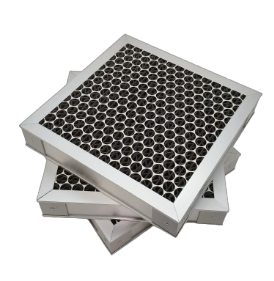
Air handling unit (AHU) integration requires careful dimensional planning and structural support. The corrugated filter for air purification installs in standard filter banks with side-access or front-access configurations, typically positioned after cooling coils to prevent moisture interference with carbon adsorption. Frame gaskets must provide airtight seals to prevent bypass—even 1% leakage reduces system efficiency by 20-30%.
Ductwork compatibility considerations include access panel placement for maintenance and sufficient upstream/downstream straight-run distances (minimum 1.5x duct diameter) to ensure uniform airflow distribution across filter faces. Zoning applications in multi-tenant buildings benefit from individual filter banks per zone, allowing customized replacement schedules based on occupancy patterns and odor generation rates.
Energy consumption impact calculations reveal significant operational advantages. The corrugated filter for air purification‘s lower pressure drop reduces fan power requirements by 10-18% compared to equivalent MERV-rated pleated filters. In a 10,000 CFM system operating 6,000 hours annually, this translates to 4,500-8,000 kWh savings at typical commercial electricity rates—offsetting filter costs within 12-18 months.
Standalone Air Purifier and Cleanroom Applications
Commercial air purifier sizing follows the CADR (Clean Air Delivery Rate) methodology, requiring filter area calculations based on room volume and air change rates. The corrugated filter for air purification in standalone units typically handles 500-2,000 CFM capacities, suitable for conference rooms (6-8 ACH), open office areas (4-6 ACH), and retail spaces (8-12 ACH).
Healthcare and laboratory environments demand enhanced filtration for infection control and chemical fume management. Corrugated filters for air purification serve as secondary stages in multi-filter arrays, positioned after HEPA pre-filters to remove odors from biological specimens, sterilization processes, and pharmaceutical compounding. The activated carbon component neutralizes formaldehyde, glutaraldehyde, and other preservation chemicals without impeding HEPA filter performance.
Food processing and manufacturing odor control applications leverage the high carbon loading capacity of the corrugated filter for air purification. Commercial kitchens, meat processing facilities, and chemical manufacturing plants generate concentrated odor streams requiring 400-600 g/m² carbon weights. Custom formulations with alkaline-impregnated carbon neutralize acidic fumes, while specialty catalytic carbons oxidize organic vapors at the molecular level.
Compliance Standards and Commercial Value Proposition
Regulatory Requirements and Certifications
UL 900 certification validates fire safety performance through standardized flame spread and smoke generation testing. Class 1 filters demonstrate flame spread index <25 and smoke developed index <50, meeting stringent building codes for occupied spaces. Class 2 ratings (FSI <25, SDI <450) suffice for industrial applications with reduced occupancy. The corrugated filter for air purification should always carry an appropriate UL classification.
ANSI/ASHRAE Standard 52.2 establishes testing protocols for arrestance, efficiency, and dust holding capacity. Third-party laboratory certification ensures published specifications reflect real-world performance rather than theoretical calculations. ASHRAE 62.1 ventilation standards reference filter efficiency requirements for acceptable indoor air quality, making certified corrugated filters for air purification essential for code compliance in new construction and renovation projects.
LEED (Leadership in Energy and Environmental Design) certification credits reward high-efficiency filtration systems. Installing MERV 11+ corrugated filters for air purification contributes to IEQ Credit 5 (Indoor Air Quality Management), worth 1-2 points toward overall building certification. Energy-efficient filter designs further support EA Credit 1 (Optimize Energy Performance) through reduced HVAC system power consumption.
Indoor air quality regulations from OSHA (Occupational Safety and Health Administration) and EPA (Environmental Protection Agency) establish maximum contaminant levels for workplace environments. The corrugated filter for air purification helps facilities maintain compliance with permissible exposure limits (PELs) for VOCs, providing documented air quality improvements through system performance data and third-party testing reports.
Total Cost of Ownership and ROI Analysis
Procurement cost analysis must account for total system expenses beyond initial filter prices. While the corrugated filter for air purification commands 15-30% price premiums over basic pleated alternatives, extended service life (20-40% longer replacement intervals) and reduced labor costs (fewer changeouts annually) offset upfront investments. Volume purchasing agreements and standardized sizing across facilities generate an additional 10-15% cost reductions.
Operational savings derive from multiple sources. Energy efficiency gains from lower pressure drop save $0.08-$0.15 per CFM annually in fan power costs. Reduced HVAC system wear extends equipment life by 10-15%, deferring capital replacement expenses. Improved indoor air quality decreases occupant complaints and potential liability from air quality-related health issues.
Maintenance labor reduction represents significant hidden savings. The corrugated filter for air purification‘s extended service life and standardized dimensions simplify inventory management and reduce technician time per installation. Facilities managing 50+ filter positions save 15-25 labor hours annually compared to high-maintenance flat panel systems requiring monthly attention.
Downtime minimization proves critical in 24/7 commercial operations. The corrugated filter for air purification‘s predictable pressure drop curves enable condition-based maintenance scheduling, preventing emergency shutdowns from clogged filters. Facilities can plan replacements during scheduled maintenance windows rather than responding to system failures during peak occupancy periods.
FAQ
Q1: What is the typical lifespan of a corrugated deodorizing filter in a commercial central AC system?
Service life depends largely on the environment. In typical office buildings with moderate occupancy and controlled conditions, filters usually last 3 to 6 months. Light industrial sites, facing more dust, require changes every 2 to 4 months, while heavy manufacturing or busy retail spaces might need monthly replacements. The main factors affecting lifespan are particulate levels, gaseous contaminants, and airflow volume. Adding MERV 6-8 pre-filters to catch larger particles can boost filter life by 30 to 50%. The best way to know when to replace a filter is by monitoring pressure drop—once resistance hits between 250 and 350 Pa, or if odor control drops, it’s time for a change.
Q2: How do corrugated filters compare to HEPA filters for odor removal in industrial environments?
Corrugated deodorizing filters and HEPA filters serve complementary rather than competing functions. HEPA filters excel at particulate removal (99.97% of 0.3-micron particles) but provide minimal odor control since they lack activated carbon components. The corrugated filter for air purification prioritizes gaseous contaminant adsorption and odor neutralization while delivering moderate particulate filtration (MERV 8-11). Industrial applications requiring both capabilities employ multi-stage systems: HEPA filters for particle removal followed by corrugated carbon filters for VOC and odor control. This configuration protects expensive HEPA media from premature carbon dust contamination while maximizing air quality across both particulate and gaseous pollutant categories. Cost considerations also differ significantly—corrugated filters for air purification cost 60-75% less than equivalent-sized HEPA units, making them more economical for odor-focused applications.
Q3: Can corrugated filters be customized for specific VOC types or extreme humidity conditions?
Manufacturers provide a wide range of customization options for specific needs. For instance, carbon treatments target certain VOCs: potassium permanganate is used for formaldehyde and ammonia, phosphoric acid for hydrogen sulfide and mercaptans, and catalytic carbon for ozone and nitrogen oxides. To handle high humidity—common in coastal or industrial settings—products use hydrophobic coatings and moisture-resistant materials like synthetic polymers instead of cellulose. Custom sizes fit unusual AHU filter banks, and frame materials such as stainless steel or plastic composites help resist corrosion in chemical plants. Custom corrugated air purification filters usually require orders of 50-100 units and take 4-8 weeks longer than standard lead times. Manufacturers often offer engineering support to choose the right carbon, weight, and substrates based on air quality data and application needs.
Conclusion
The corrugated filter for air purification delivers exceptional value for commercial air purification through its unique combination of high surface area geometry, dual mechanical-chemical filtration capability, and cost-effective operation. The corrugated structure’s inherent advantages—40-60% greater media surface area, optimized turbulent airflow patterns, and reduced pressure drop—translate directly into superior particulate capture, extended service life, and lower energy consumption compared to conventional flat panel alternatives. Activated carbon integration elevates the corrugated filter for air purification beyond simple dust barriers, providing comprehensive odor control and VOC removal essential for maintaining healthy, productive indoor environments.
For central AC and HVAC system applications, the corrugated filter for air purification represents the optimal balance between performance and total cost of ownership. Its compatibility with standard filter banks, predictable maintenance requirements, and energy efficiency contributions make it ideal for facilities managers seeking reliable, compliant air quality solutions. Standalone air purifier deployments benefit equally from corrugated technology’s compact efficiency and adaptability to diverse commercial environments.
Regulatory compliance advantages strengthen the procurement case for the corrugated filter for air purification. UL 900 fire safety certifications, ASHRAE performance validation, and LEED credit contributions ensure these products meet stringent building codes while supporting corporate sustainability initiatives. The combination of documented performance, third-party certifications, and proven ROI through operational savings positions the corrugated filter for air purification as a strategic investment rather than a consumable expense. For B2B buyers prioritizing indoor air quality, energy efficiency, and long-term cost management, the corrugated filter for air purification delivers measurable value across all critical procurement criteria.