
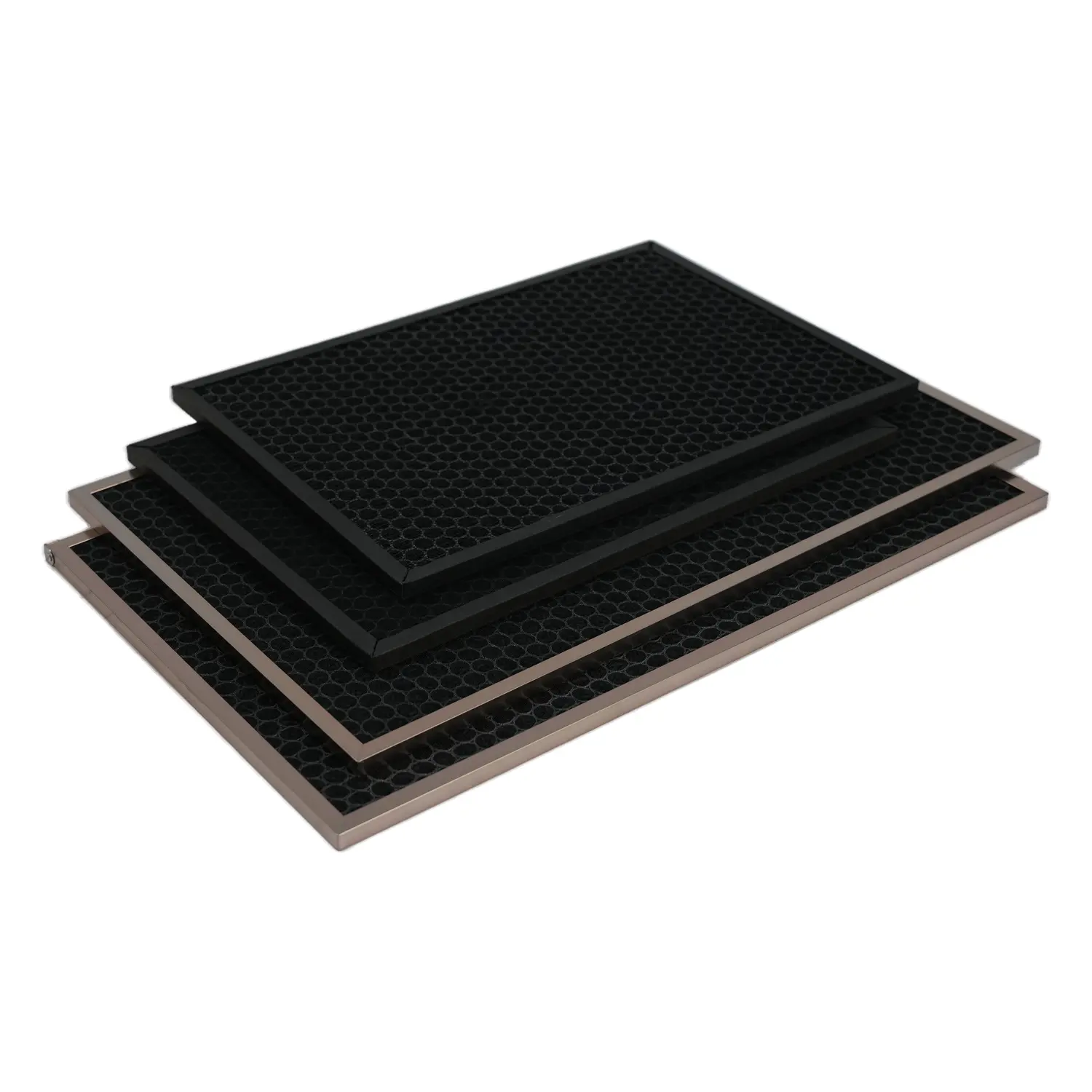
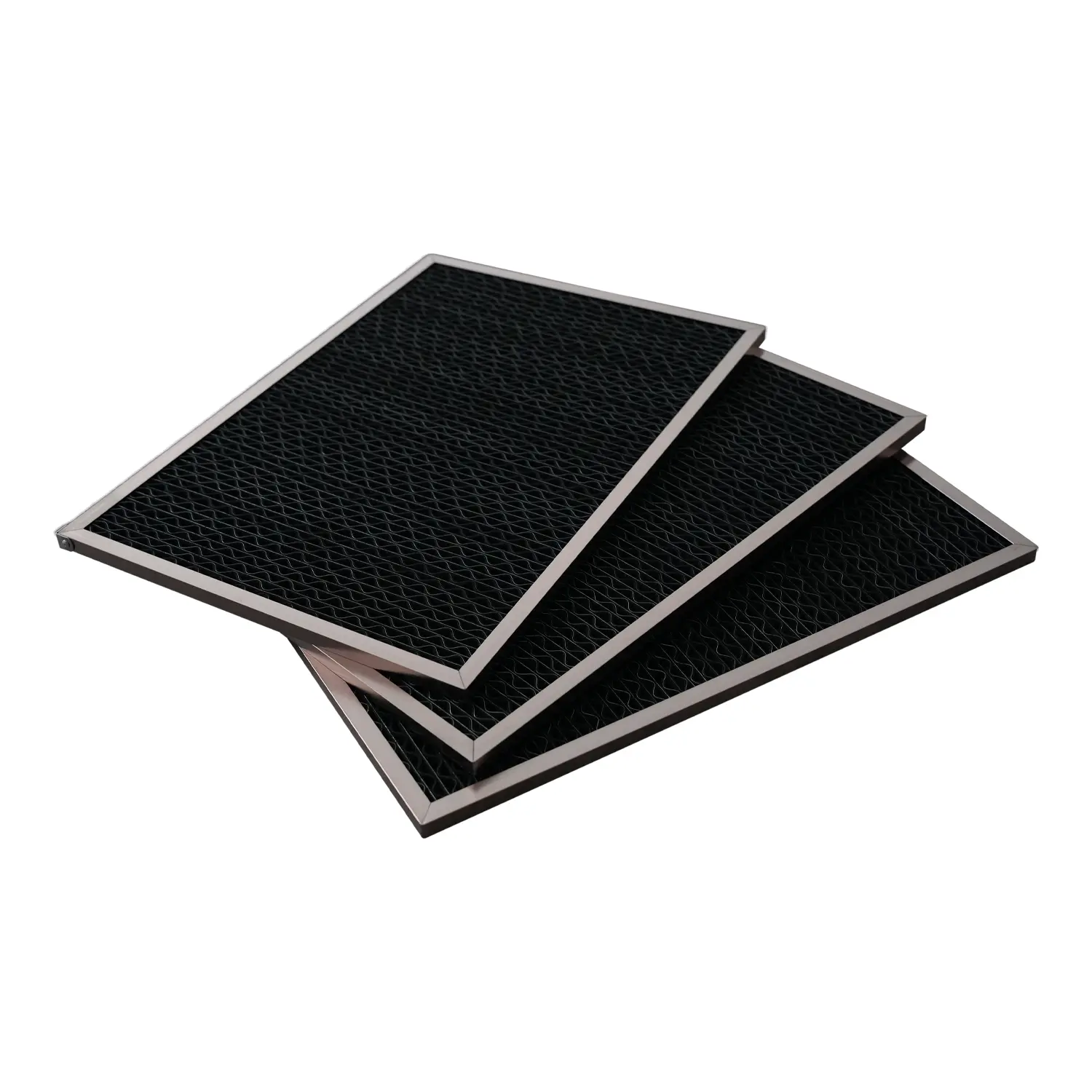
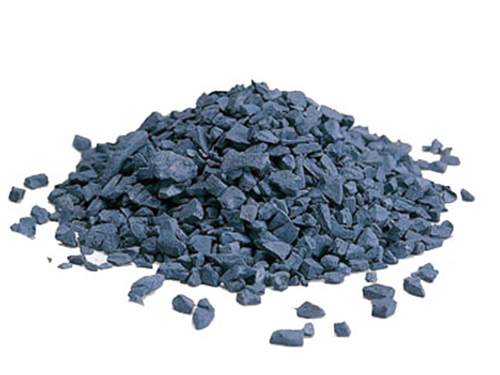


The Rising Global Pressure to Control NOx Emissions
In the global push for cleaner air and stricter environmental regulations, nitrogen oxides (NOx) have emerged as one of the most closely monitored and tightly regulated pollutants in modern industry and transportation. NOx — a collective term for nitric oxide (NO) and nitrogen dioxide (NO₂) — is produced during high-temperature combustion in diesel engines, power plant boilers, marine vessels, industrial furnaces, and stationary generators. These gases are not only toxic to human health but also act as key contributors to smog, acid rain, atmospheric particulate matter, and ecosystem degradation.
Across the European Union, North America, Asia, and global maritime authorities, emission standards have grown exponentially stricter over the past two decades. Euro VI, EPA Tier 4 Final, China 6, and MARPOL Annex VI have collectively reduced allowable NOx output by more than 90% compared to regulations at the turn of the century. For vehicle fleet operators, power generation facilities, manufacturing plants, and shipping companies, compliance is no longer a choice but a legal and operational necessity. At the heart of meeting these standards lies a critical component: a dependable NOx filter system. Without consistent, high-performance NOx reduction, businesses face heavy financial penalties, operational shutdowns, restricted market access, and irreversible harm to public health and natural environments.
A well-designed NOx filter system does more than simply trap pollutants; it neutralizes harmful nitrogen oxides through advanced chemical and catalytic processes, converting them into harmless nitrogen and water vapor. As industrial activity and transportation demand continue to rise, the reliability of these systems directly determines whether operations can remain sustainable, compliant, and environmentally responsible. This article explores why a robust NOx filter system has become indispensable for clean exhaust, examining its technical function, health and environmental impacts, performance benefits, industry applications, and long-term economic value.
How a Modern NOx Filter System Delivers Consistent Exhaust Purification
To understand the importance of a NOx filter system, it is first necessary to clarify how these systems transform toxic exhaust into clean, safe emissions. Unlike basic particulate filters that physically capture soot and ash, NOx filter systems rely on catalytic reactions and chemical reduction to break down pollutants at a molecular level. This advanced treatment ensures compliance with even the strictest global emission limits.
-
Core Technologies That Define NOx Reduction Efficiency
The most widely adopted technology in modern NOx filter systems is Selective Catalytic Reduction (SCR), which forms the basis of a high-efficiency NOx filter system for diesel engines. In an SCR system, a urea-based fluid known as Diesel Exhaust Fluid (DEF) or AdBlue is injected into the hot exhaust stream. The heat breaks down the urea into ammonia, which then reacts with NOx over a specialized catalyst. This reaction converts nearly all harmful nitrogen oxides into elemental nitrogen and water vapor — completely harmless substances released into the atmosphere. Top-tier SCR systems achieve NOx conversion rates between 90% and 95%, making them the gold standard for heavy-duty and industrial applications.
Lean NOx Trap (LNT) systems, also called NOx adsorbers, provide an alternative solution for smaller engines or space-constrained installations. These systems absorb NOx during normal lean-burn operation and periodically switch to a rich fuel mixture to release and reduce the trapped pollutants. While LNT systems are lighter and more compact, they typically achieve 70% to 80% efficiency, making them suitable for light commercial vehicles rather than heavy industrial use.
Many modern systems combine SCR with a Diesel Particulate Filter (DPF) into a single integrated unit. This hybrid design reduces space requirements while simultaneously controlling NOx and particulate matter, ideal for applications where exhaust system layout is limited. For industrial settings, an SCR-based NOx filter system for industrial boilers is engineered to handle extremely high exhaust flow rates and temperatures, maintaining stable performance under continuous operation.
-
Key Components That Ensure System Reliability
A truly dependable NOx filter system depends on precision-engineered components working in harmony. The catalyst substrate — typically made of ceramic or metal with zeolite or vanadium-based coatings — provides the surface area necessary for chemical reactions. Precision injectors deliver DEF in carefully measured doses, while upstream and downstream NOx sensors provide real-time feedback to the engine control unit (ECU). The ECU adjusts injection rates and reaction conditions based on engine load, speed, temperature, and exhaust composition.
Together, these components ensure that the NOx filter system performs consistently across changing operating conditions. Without this level of coordination, efficiency drops sharply, leading to non-compliance, increased maintenance, and premature system failure. For this reason, manufacturers and operators prioritize integrated, well-built NOx filter systems over low-cost alternatives that sacrifice reliability for short-term savings.
Health and Environmental Imperatives Driving NOx Control
The urgency behind adopting a high-performance NOx filter system stems from the severe risks that unfiltered NOx emissions pose to public health and ecological stability. Scientific research consistently links elevated NOx levels to widespread health crises and long-term environmental damage.
-
Public Health Risks of Uncontrolled NOx Emissions
Nitrogen dioxide, the primary toxic component of NOx, irritates the respiratory tract and penetrates deep into lung tissue. Short-term exposure causes coughing, chest pain, bronchitis, and asthma attacks, particularly in children, the elderly, and individuals with pre-existing conditions. Long-term exposure is associated with reduced lung function, increased cardiovascular disease risk, and higher mortality rates from respiratory illnesses. According to the World Health Organization (WHO), NOx pollution contributes to millions of premature deaths worldwide each year.
Urban areas with high concentrations of diesel vehicles and industrial activity often exceed safe NOx limits. In major cities, roadside monitoring stations frequently record NO₂ levels 30% to 50% above WHO guidelines. A properly functioning NOx filter system can reduce these ambient concentrations by 40% to 60%, directly lowering hospital admissions and improving public health outcomes. Communities near ports, highways, and industrial zones benefit most from widespread NOx filtration, as these areas typically face the highest exposure levels.
-
Ecological Damage Caused by Unregulated NOx
Beyond human health, NOx emissions drive significant environmental harm. NOx reacts with volatile organic compounds in sunlight to form ground-level ozone, the main component of urban smog. It also contributes to acid rain, which damages forests, freshwater ecosystems, and agricultural soil. Additionally, nitrogen oxides trigger eutrophication in lakes and coastal waters, leading to algal blooms that deplete oxygen and create aquatic dead zones.
NOx is also a potent indirect greenhouse gas, with a global warming impact far greater than carbon dioxide over short timeframes. By reducing NOx through a reliable NOx filter system, industries and transportation operators simultaneously mitigate smog, acidification, water pollution, and climate-related harm. For marine environments, a low-maintenance NOx filter system for marine engines protects coastal ecosystems and sensitive marine life from shipping exhaust, supporting global biodiversity goals.
Operational and Economic Benefits of a Reliable NOx Filter System
While environmental and health motivations are paramount, the practical and economic advantages of a dependable NOx filter system make it an essential investment for commercial and industrial operators. From regulatory compliance to fuel efficiency and equipment longevity, the benefits extend far beyond emission reduction.
-
Regulatory Compliance and Avoidance of Penalties
Non-compliance with NOx emission regulations carries severe financial consequences. In the United States, the Environmental Protection Agency (EPA) can issue fines of up to $50,000 per day for facilities or vehicles that exceed emission limits. European Union authorities can restrict vehicle registration, ban road operation, or impose heavy penalties on non-compliant trucks and buses. Industrial facilities may face shutdown orders until their exhaust systems meet standards.
A compact NOx filter system for heavy-duty vehicles ensures that trucks, buses, and construction equipment remain compliant throughout their service life. For stationary power sources, a regenerable NOx filter system for stationary generators maintains emissions within legal limits even during prolonged use. The table below compares the performance of common NOx reduction systems, highlighting why high-reliability designs dominate professional applications.
| System Type | NOx Reduction Efficiency | Typical Application | Expected Service Life |
|---|---|---|---|
| Standard SCR System | 90–95% | Heavy-duty trucks, buses | 5–7 years |
| Hybrid SCR-DPF | 85–92% | Marine engines, generators | 6–8 years |
| LNT System | 70–80% | Light commercial vehicles | 4–5 years |
| Industrial SCR | 88–95% | Power plants, boilers | 7–10 years |
By maintaining consistent efficiency, a reliable NOx filter system eliminates compliance risks and supports uninterrupted operations.
-
Improved Fuel Efficiency and Engine Longevity
Modern NOx filter systems optimize engine performance rather than hindering it. Older emission control technologies, such as heavy Exhaust Gas Recirculation (EGR), reduced NOx but significantly increased fuel consumption and engine stress. Today’s high-efficiency NOx filter system for diesel engines allows engines to operate at optimal combustion conditions, improving fuel efficiency by 3% to 5% compared to outdated EGR-only setups.
Additionally, reducing corrosive NOx gases lowers exhaust system wear and protects engine components from damage. Well-maintained NOx filter systems extend the overall service life of engines and reduce unexpected breakdowns. Over years of operation, these savings easily offset the initial investment in a high-quality exhaust treatment system.
-
Durability Under Extreme Operating Conditions
Industrial and heavy-duty applications expose exhaust systems to extreme temperatures, vibration, humidity, and contamination. A low-maintenance NOx filter system for marine engines, for example, must resist saltwater corrosion, high humidity, and fluctuating loads. Industrial systems must handle continuous high-temperature exhaust without catalyst degradation.
Premium NOx filter systems use corrosion-resistant materials, self-regenerating catalysts, and robust sensor systems to maintain performance in harsh environments. These systems resist poisoning from sulfur, ash, and oil contaminants, ensuring efficiency remains above 85% throughout their design life. For operators in mining, construction, marine, and power generation, this level of durability is non-negotiable.
Wide-Ranging Applications Across Key Industries
The versatility of modern NOx filter systems allows them to serve nearly every sector that relies on combustion engines or heat-based industrial processes. From road transportation to marine travel and stationary power generation, these systems ensure clean exhaust across diverse applications.
-
Transportation: On-Road and Off-Road Equipment
A compact NOx filter system for heavy-duty vehicles dominates the on-road transportation sector, enabling trucks, buses, and delivery fleets to meet Euro VI and EPA Tier 4 standards. Off-road machinery, including excavators, tractors, and construction equipment, uses similarly robust systems to reduce emissions at job sites, improving air quality for workers and nearby communities.
-
Industrial and Power Generation Facilities
An SCR-based NOx filter system for industrial boilers provides large-scale NOx reduction for power plants, manufacturing facilities, cement kilns, and waste incinerators. These systems handle exhaust flows exceeding 1,000,000 Nm³ per hour while maintaining industry-leading reduction rates. They are essential for energy providers aiming to balance power demand with environmental responsibility.
-
Marine and Stationary Generator Applications
Marine engines face some of the strictest global regulations under MARPOL Annex VI. A low-maintenance NOx filter system for marine engines allows large vessels to operate within Emission Control Areas (ECAs) without penalty. Similarly, a regenerable NOx filter system for stationary generators ensures backup and primary power sources produce clean exhaust, making them suitable for urban, residential, and industrial settings.
Long-Term Value and Future-Proofing Through Quality NOx Filtration
Investing in a reliable NOx filter system delivers long-term value that extends far beyond initial compliance. Modern systems are designed to adapt to future regulatory changes, reducing the need for frequent upgrades.
-
Low Maintenance and Reduced Operational Downtime
High-quality NOx filter systems require minimal routine maintenance. Self-cleaning catalysts, extended service intervals, and durable components reduce labor costs and downtime. Many systems include diagnostic capabilities that alert operators to potential issues before they cause failure, further improving reliability.
-
Enhanced Asset Value and Market Access
Equipment fitted with a certified NOx filter system retains significantly higher resale value. Compliant engines and machinery command better prices in global markets, where emission standards are becoming universal. Additionally, businesses using clean exhaust technology improve their brand reputation, meeting customer and stakeholder demands for sustainable operations.
-
Adaptability to Stricter Future Standards
As governments continue to tighten emission limits, a modern NOx filter system can often be updated through software recalibration or minor component upgrades. This future-proofing prevents costly full system replacements and ensures operations remain viable as environmental standards evolve.
Conclusion
A reliable NOx filter system is no longer an optional accessory but a foundational component of responsible and compliant combustion operations. By efficiently neutralizing toxic nitrogen oxides, these systems protect public health, preserve ecosystems, ensure regulatory compliance, improve fuel efficiency, and extend equipment life. From high-efficiency models for diesel engines to industrial-grade systems for power plants, the right NOx filter system delivers consistent clean exhaust across every demanding application.
In an era defined by environmental accountability, the choice is clear: investing in a robust, well-designed NOx filter system is essential for sustainable operations, long-term economic stability, and global air quality progress. For any industry relying on combustion-based power or propulsion, dependable NOx filtration is the cornerstone of clean, responsible, and future-ready exhaust management.