
Introduction
Air quality in the workplace is not only a matter of comfort, but also of worker health, the performance of equipment, and compliance with laws. Odors from manufacturing processes, chemical reactions, waste treatment, or ventilation systems can indicate the presence of harmful gases, volatile organic compounds (VOCs), or airborne molecular contaminants (AMCs).
A deodorizing combi filter is an ideal combination of particulate filtration, carbon adsorption, and catalytic decomposition in one unit. The filter removes visible dust and particles, but also eliminates odors and gases, resulting in cleaner, healthier air in the workplace.
This guide will help you understand how a deodorizing combi filter works in HVAC and industrial air handling systems, where it is used, what performance measures matter, and how to choose the right industrial deodorizing combi filter for your application.
What Is a Deodorizing Combi Filter?
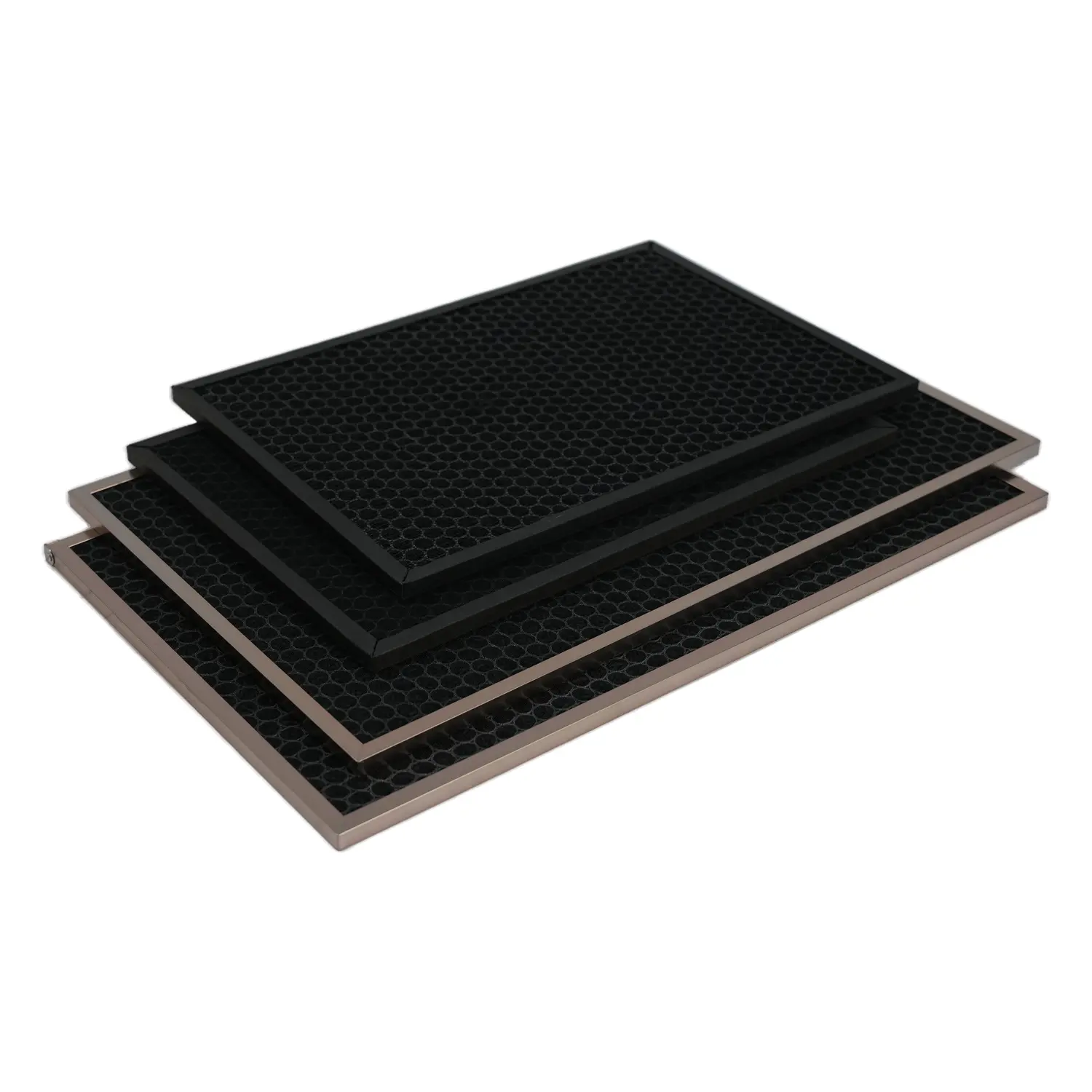
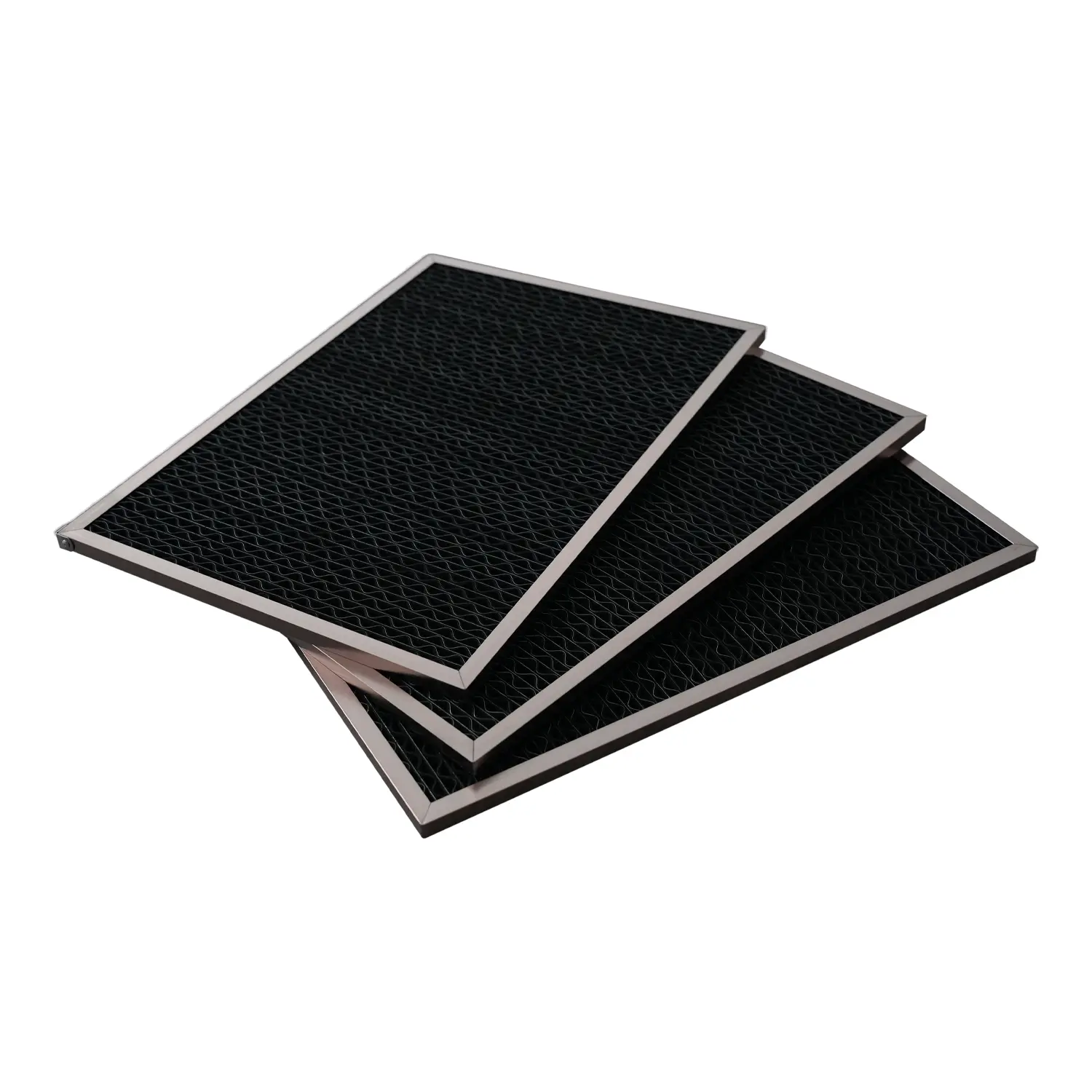
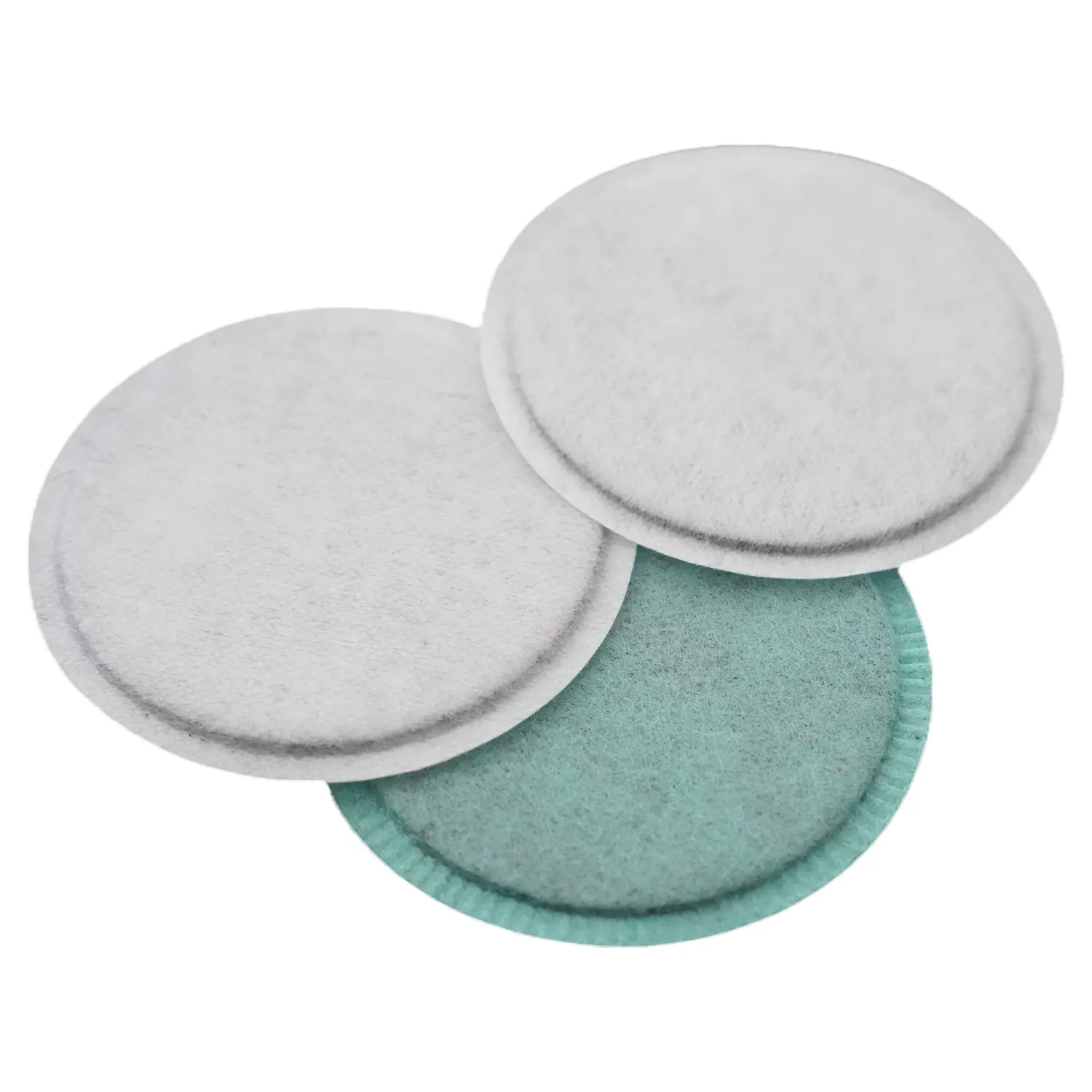
A deodorizing combi filter (short for combination filter) integrates multiple filtration technologies—typically particulate filtration, activated carbon adsorption, and sometimes catalytic decomposition—into a single filter assembly that removes airborne particles, odorous gases, and chemical vapors simultaneously. Unlike traditional single-stage filters that capture only dust or only odors, a high-efficiency deodorizing combi filter addresses the full spectrum of air quality challenges in one device.
The term “combi filter” refers to the combination of different media layers within the same frame. Depending on how they are combined, filter media with various performance characteristics can be created, targeting specific harmful gases and application requirements. While standard HVAC filters rely on mechanical capture of solid particles, a deodorizing combi filter relies principally on the adsorption phenomenon of activated carbon to remove gaseous contaminant molecules from the air stream. It combines adsorption, chemical transformation, and sometimes catalytic processes to achieve comprehensive air purification.
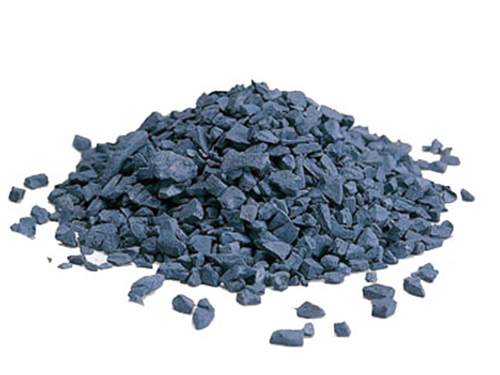
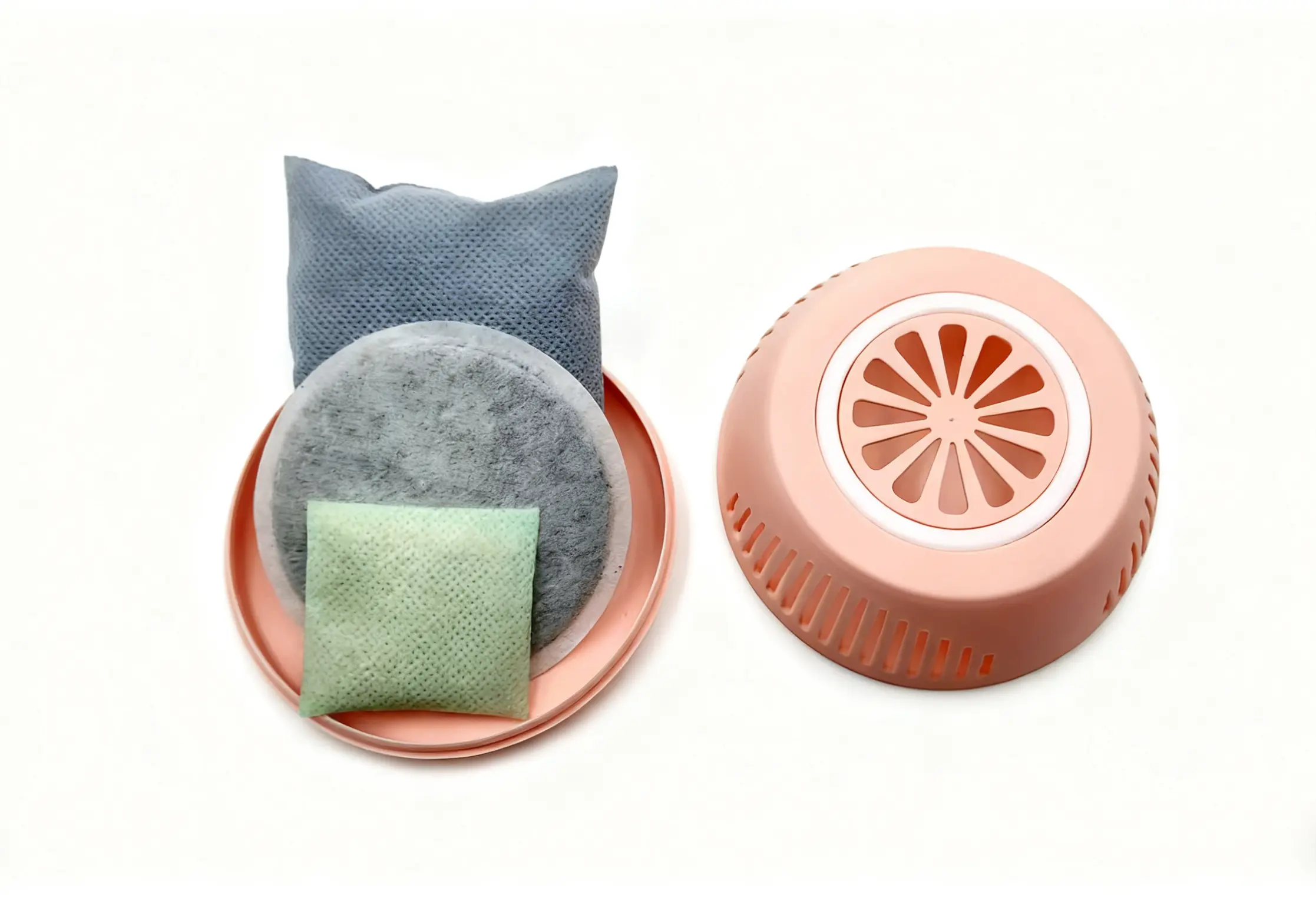
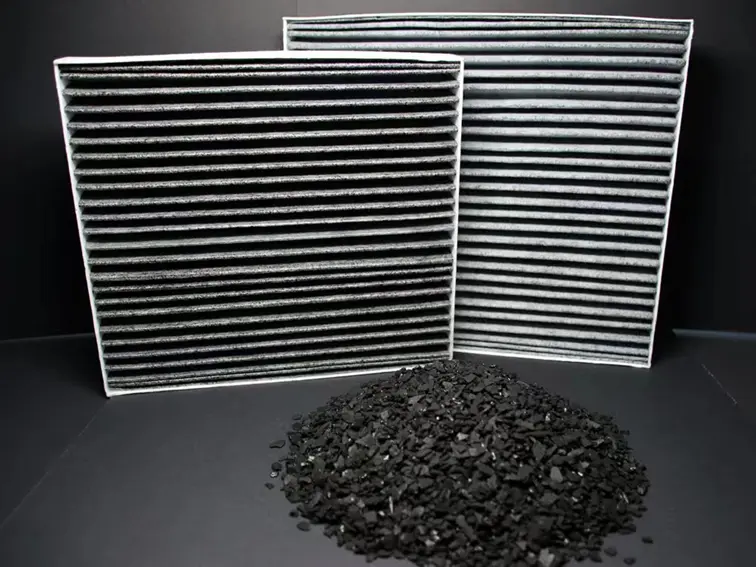
The core of an activated carbon deodorizing combi filter is highly active granular or broken carbon media. In the Combi filter manufactured by Jiangsu Hongrun Purification Co., Ltd., for example, the main material for adsorbing and decomposing harmful gases is highly active broken carbon carrying low-temperature catalysts, with nano-scale low-temperature catalysts evenly distributed within the effective pore size. This catalyst integration is what elevates the filter beyond basic adsorption into more advanced gas-phase filtration, enabling it to decompose certain harmful gases rather than merely trapping them.
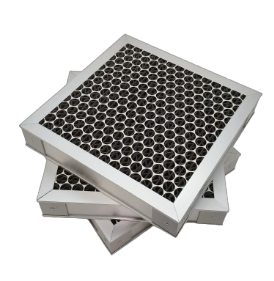
Other manufacturers produce combi filters using activated carbon and zeolite variants, which are well-suited to industrial processes such as commercial kitchen hoods, exhaust air systems, and general industrial ventilation. Combi filters also come in configurations integrating metal filter meshes with carbon cartridges, allowing conversion of standard metal grease filters into combination particulate-and-odor control units with easy-to-remove carbon inserts.
How a Deodorizing Combi Filter Works – The Three-Stage Mechanism
The deodorizing combi filter working principle relies on three complementary mechanisms.
Stage 1: Physical Adsorption (Activated Carbon)
As air passes through the filter, gas molecules—including VOCs, odors, and chemical vapors—come into contact with the vast internal pore structure of the activated carbon media. Activated carbon is highly porous, with an enormous internal surface area relative to its volume, typically 500 to 1,500 square meters per gram. Odorous gases and vapors are attracted to and held by the unique properties of the activated carbon material through physical adsorption, where molecules become trapped within the microscopic pores. This process is particularly effective for organic compounds with molecular weights above approximately 50 g/mol.
Stage 2: Chemical Transformation (Catalyst)
For certain harmful gases, the high-efficiency deodorizing combi filter goes beyond simple adsorption. When nitrogen oxides hit the activated carbon, some get stuck in the pores and are physically adsorbed there. Another part reacts with the humidity in the air, producing nitrous acid, which also remains in the filter. Low-temperature catalysts embedded in the carbon media promote chemical reactions that decompose harmful gas molecules into harmless byproducts, extending the effective service life beyond what adsorption alone would allow. For example, formaldehyde can be catalytically oxidized to carbon dioxide and water vapor, eliminating the pollutant rather than simply storing it.
Stage 3: Particle Capture (Pre-Filtration)
The HVAC deodorizing combi filter often includes a pre-filter layer that captures larger dust particles, grease, oil mists, and other particulate matter before the air reaches the carbon media. This multi-stage approach prevents the carbon surface from becoming prematurely clogged with dust and extends the filter’s useful life. Pre-filter layers are typically made of synthetic fibers with efficiencies ranging from G2 to F5 (EN 779 classification), capturing particles down to 1–5 microns.
Tests conducted by industry manufacturers such as Mann+Hummel show that a deodorizing combi filter can reduce harmful gases and unpleasant odors by more than 90% compared to a conventional particle filter. Independent studies confirm that combination particulate and gas‑phase filters are capable of controlling primary air pollutants to below levels specified by national air quality standards, while also removing bacteria, mold, and fungi.
Industrial Deodorizing Combi Filter Applications
Industrial deodorizing combi filter systems are deployed across diverse sectors where air quality directly impacts product quality, worker health, or environmental compliance.
Commercial kitchens and food processing. In food preparation environments, grease particles, cooking vapors, and lingering food odors must be removed before air is exhausted or recirculated. Combi filters are typically used in commercial kitchen hoods, where they are ideal for filtering grease particles, vapors, oil mists, and unpleasant cooking odors, returning purified air to the facility. In high-volume restaurant chains, replacing traditional grease filters with combi filters has reduced odor complaints from neighboring properties by up to 70%.
Chemical manufacturing and laboratories. Chemical processes often release VOCs, solvent vapors, and acidic gases that require careful control. Activated carbon deodorizing combi filters are installed in HVAC systems and exhaust hoods to adsorb benzene, sulfuric acid gas, nitrogen dioxide, ozone, and formaldehyde, providing excellent removal performance for these harmful air contaminants. In pharmaceutical R&D labs, combi filters are used in fume hoods to protect researchers from solvent vapors while maintaining energy efficiency through recirculation.
Semiconductor and electronics fabrication. The semiconductor industry requires extremely clean air to protect sensitive manufacturing processes. Airborne molecular contaminants (AMCs), including volatile organic compounds and acid gases, can degrade product yields. High-efficiency deodorizing combi filters are used in cleanroom make-up air handling units to provide combined particulate and gas-phase removal, ensuring that process environments meet stringent air quality standards such as ISO Class 5–7.
Wastewater treatment and pumping stations. Odor control is a top priority at wastewater treatment plants, where hydrogen sulfide, ammonia, and other organic decomposition gases create offensive smells. Deodorizing combi filters installed in ventilation systems remove these gases effectively, improving working conditions and reducing odor complaints from surrounding communities. A typical municipal plant can process 10,000 m³/h of foul air through combi filters, reducing hydrogen sulfide from 50 ppm to below 1 ppm.
Refrigeration and cold storage. Refrigeration facilities can accumulate odors from stored food products, spoilage, and cleaning chemicals. Combi filters integrated with molecular filtration media have higher removal capacity for applications in fertilizer manufacturing, semiconductor fabs, refrigeration, and cold storage applications. In large cold storage warehouses, recirculated air through combination filters reduces cross-contamination of odors between different food categories.
Parking garages and tunnels. Vehicle exhaust in enclosed parking garages and tunnels contains carbon monoxide, nitrogen oxides, and hydrocarbons. HVAC deodorizing combi filters are specifically developed for use in parking garage ventilation systems, where air quality and odor control are critical for worker and user safety. In underground parking facilities, combi filters can reduce NO₂ levels from 0.5 ppm to under 0.05 ppm, meeting WHO guideline values.
Soldering and welding fume extraction. Metalworking processes produce fine particulates and irritating fumes. HS-Combi filters are used for exhaust air processes where gaseous and particulate, as well as toxic air impurities, have to be filtered securely, including soldering and welding fume filtration for industrial exhaust systems. These filters typically achieve >99% removal efficiency for welding fume particles while adsorbing generated ozone and nitrogen dioxide.
The table below summarizes key applications and their typical performance:
| Industry | Primary Contaminants | Typical Efficiency |
|---|---|---|
| Food processing | Cooking vapors, grease, VOCs | >90% odor reduction |
| Chemical plants | Solvents, acid gases, ammonia | 85–98% VOC removal |
| Semiconductor fabs | AMCs, VOCs, acid gases | >99% for AMCs |
| Wastewater treatment | H₂S, ammonia, organic gases | H₂S <1 ppm outlet |
| Parking garages | NOx, hydrocarbons | >90% NO₂ reduction |
| Welding/soldering | Metal fumes, NOx, O₃ | >99% particle removal |
Choosing the Right Deodorizing Combi Filter
Selecting the correct industrial deodorizing combi filter requires careful evaluation of operating conditions, contaminant types, and system constraints.
Contaminant identification. Identify the target gases and their concentrations. For general odor control, standard activated carbon deodorizing combi filters are sufficient. For more aggressive chemical environments with high concentrations of specific gases, chemically impregnated carbons or specialty media may be required. A gas detector or passive dosimeter survey over 7–14 days provides baseline data for proper sizing.
Airflow and pressure drop. Every deodorizing combi filter introduces some resistance to airflow. A well-designed low-maintenance deodorizing combi filter balances high removal efficiency with low pressure drop, ensuring that the HVAC fan can deliver adequate airflow without excessive energy consumption. The Combi filter from Jiangsu Hongrun Purification is specifically engineered to have low air resistance while maintaining high efficiency in removing harmful gases. Typical pressure drop for a clean combi filter is 50–150 Pa; replacement is recommended when pressure drop reaches 300–400 Pa or when outlet gas concentration exceeds limits.
Humidity and temperature. Activated carbon performance can be affected by high humidity levels, which compete for adsorption sites. The CamCarb PM V series of gas-phase filters, for example, operates effectively at up to 90% relative humidity. For applications in humid environments, selecting a deodorizing combi filter with high moisture tolerance or chemically treated media is recommended. Operating temperature also matters; most activated carbon filters are rated for maximum continuous temperatures around 80°C. Above this, thermal degradation of adsorbed compounds may occur, or the carbon may ignite in the presence of oxygen at elevated temperatures.
Maintenance and replacement intervals. Low-maintenance deodorizing combi filters are designed for easy replacement, often with pre-filters that can be serviced separately from the carbon media. When selecting a filter, consider the accessibility of the filter housing, the availability of replacement cartridges, and the expected service life under actual operating conditions. Some combi filters feature metal filter sections that are dishwasher-safe for cleaning and reuse, with separate carbon cartridges that can be replaced when saturated. A typical guideline is to replace the carbon element every 6–12 months for moderate contaminant loads, or every 3–6 months for heavy-duty applications like chemical exhaust.
Deodorizing Combi Filter vs. Other Odor Control Methods
| Comparison Factor | Deodorizing Combi Filter | Standalone Carbon Filter | Chemical Scrubber | UV/Ozone System |
|---|---|---|---|---|
| Initial cost | Medium ($500–2,000) | Low ($100–500) | High ($10k–50k) | Medium ($1k–5k) |
| Operating cost | Low | Medium | High | Low |
| Maintenance complexity | Low (simple replacement) | Low | High (chemical handling) | Low |
| Contaminant range | Broad (particles + gases) | Limited (gases only) | Narrow (specific gases) | Moderate (VOCs only) |
| Space required | Low (fits standard AHU) | Low | High (scrubber tower) | Medium |
| Chemical safety | None | None | Requires handling | Ozone safety concerns |
| Suitable for both particles and gases | Yes | No | No | No |
For most industrial applications requiring simultaneous particle and gas-phase control, the deodorizing combi filter offers the most practical balance of performance, cost, and ease of maintenance.
FAQ
Q1: What is a deodorizing combi filter used for in industrial applications?
It removes VOCs, odorous gases, and particulates from HVAC systems and exhaust air in chemical plants, food processing, semiconductor fabs, wastewater treatment, and parking garages.
Q2: How often should an industrial deodorizing combi filter be replaced?
Replacement depends on contaminant load, airflow, and carbon type, ranging from 6 to 24 months. Pressure drop monitoring and outlet gas detection help determine the correct change-out schedule.
Q3: Can an HVAC deodorizing combi filter be installed in an existing air handling unit?
Yes. Many combi filters are drop-in replacements for standard panel filters in existing AHUs, often in 2-inch or 4-inch space configurations, requiring no modifications.
Q4: What gases does a high-efficiency deodorizing combi filter remove?
Formaldehyde, acetaldehyde, ammonia, acetic acid, toluene, benzene, nitrogen dioxide, sulfur dioxide, ozone, and hydrogen sulfide.
Q5: Is a low-maintenance deodorizing combi filter cost-effective compared to standalone systems?
Yes. Combining multiple technologies in one housing reduces installation complexity, maintenance frequency, and spare parts inventory, resulting in lower total cost of ownership.
Q6: How does activated carbon adsorb gases at the molecular level?
Gas molecules diffuse into microscopic pores and are held by Van der Waals forces. Adsorption capacity depends on surface area (500–1,500 m²/g) and the molecular weight of the contaminant.
Conclusion
A deodorizing combi filter is an essential component for maintaining fresh, safe air in demanding industrial environments. By combining particulate filtration, activated carbon adsorption, and catalytic decomposition in a single assembly, it addresses the full spectrum of air quality challenges that traditional filters cannot handle—removing not just dust but the invisible gases and odors that affect health, comfort, and regulatory compliance.
From food processing and chemical manufacturing to semiconductor fabrication and wastewater treatment, industrial deodorizing combi filters have proven their value across sectors. Their compact design fits standard HVAC housings, their low-maintenance operation minimizes downtime, and their high removal efficiency delivers measurable improvements in indoor air quality. Understanding the principles of adsorption, the role of catalysts, and the importance of proper sizing ensures that you select the right deodorizing combi filter for your specific requirements.
Ready to improve the air quality in your industrial facility? Jiangsu Hongrun Purification Co., Ltd. specializes in high-efficiency deodorizing combi filters with activated carbon and low-temperature catalyst media.
Please feel free to contact us anytime with any questions or needs.