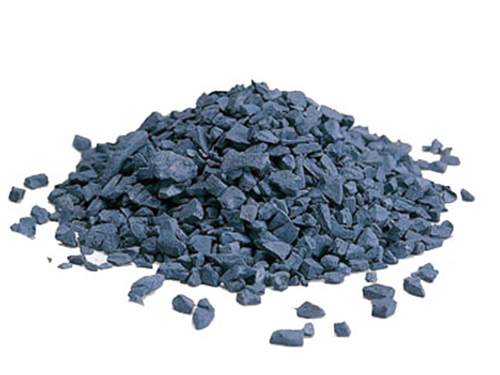
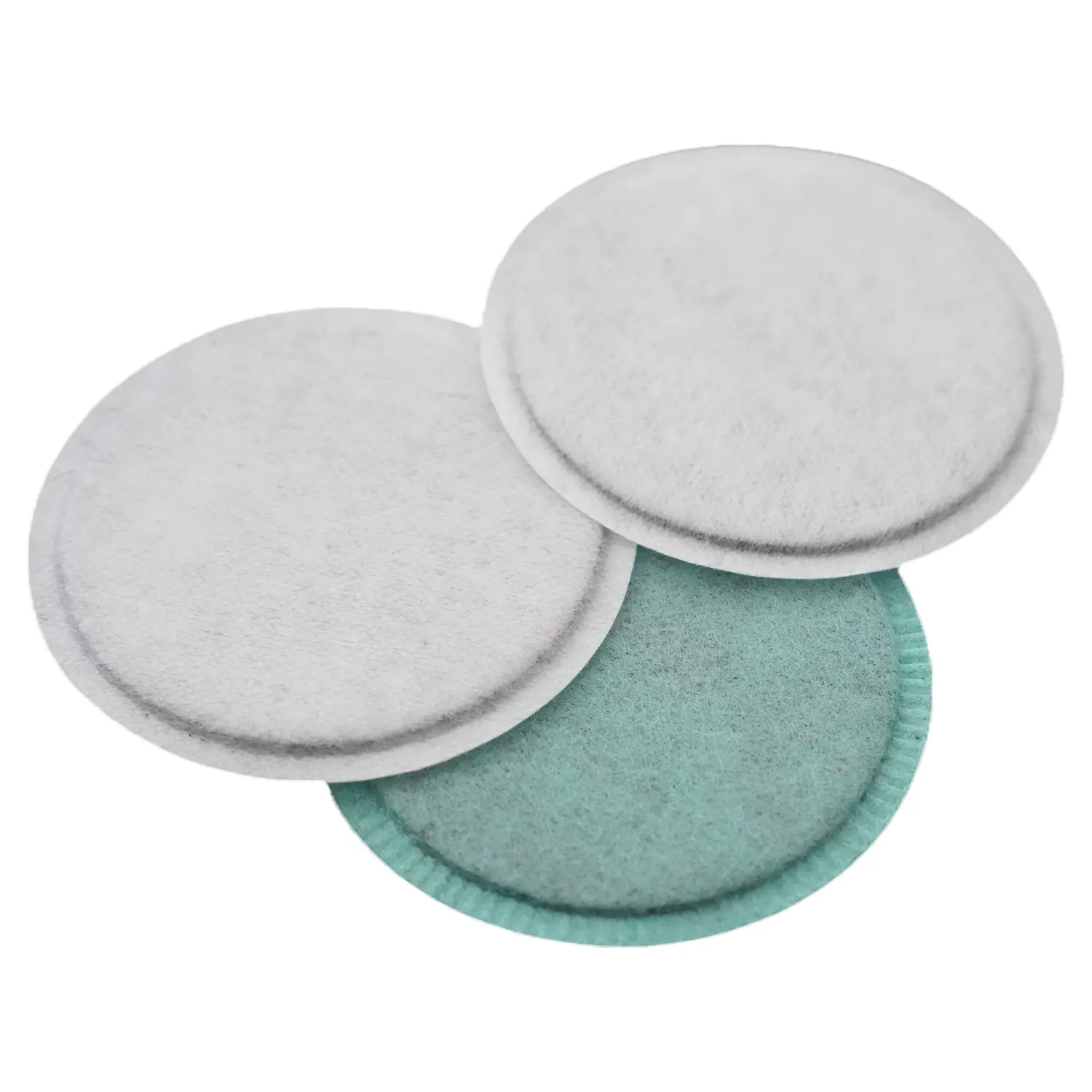
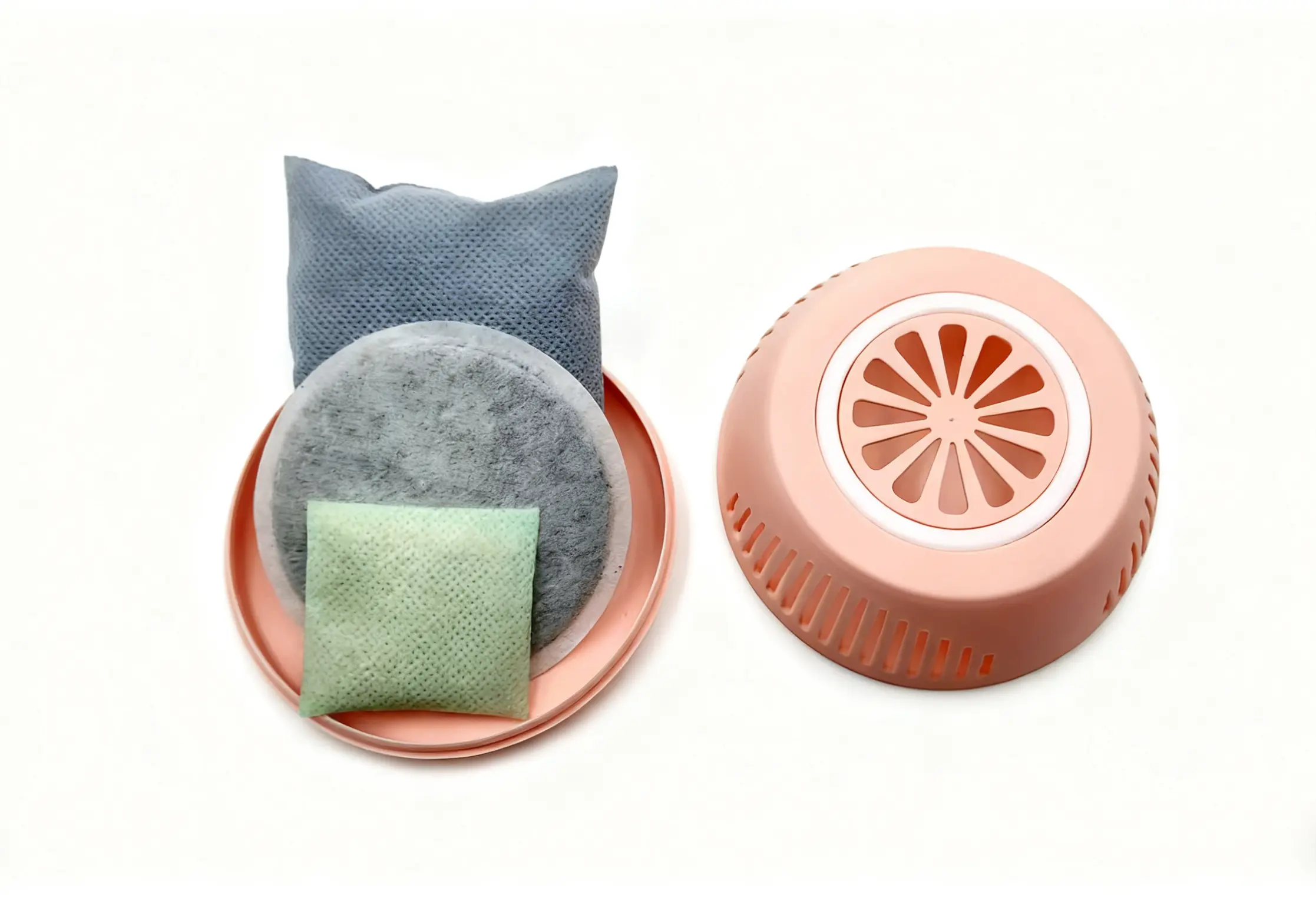
Introduction
Activated carbon is a proven filtration solution with high surface area and broad-spectrum adsorption that effectively removes many common contaminants. But anyone who has managed industrial filtration knows that some contaminants slip through, saturation occurs too early, and frequent changes can cause costs to rise.
The answer is not that carbon is ineffective. Simply put, physical adsorption cannot capture all contaminants at the same time. Modified activated carbon fills that gap by tailoring the carbon surface — through catalyst impregnation, chemical treatment, or surface chemistry — to provide the selectivity, capacity, and longevity that unmodified carbon cannot. Globally, the activated carbon filter market is forecast to grow at around 8% per year through 2033, with modified grades being the fastest-growing category because they address the problems that increase operating costs. For facilities looking to improve their process, high-performance modified activated carbon is becoming the norm, not the upgrade.
What kind of modified activated carbon should a facility manager or engineer use for water filtration, air purification, or industrial processes? What chemistry should the media be using to maximize performance and reduce cost throughout its lifetime? Look beyond price per kilogram.
What Sets Modified Activated Carbon Apart
Regular carbon removes contaminants via physical adsorption — pollutants are trapped in pores by weak van der Waals forces. This mechanism works well for many organics but struggles with highly volatile substances, certain inorganic gases, and low-concentration pollutants.
Modified activated carbon adds chemical and catalytic mechanisms on top of physical adsorption. Reactive compounds introduced onto the carbon surface enable targeted chemical reactions that destroy, neutralize, or chemically bind pollutants instead of simply trapping them. This synergy delivers removal efficiencies that neither adsorption nor catalysis could achieve alone. The result is a filtration medium that can be tuned to the specific pollutant profile of a facility, making it a far more efficient modified activated carbon solution than conventional one-size-fits-all approaches.
A comprehensive review in the Journal of the Saudi Chemical Society confirmed that surface modification enhances adsorption capacity, improves selectivity for target pollutants, and promotes better regeneration ability — directly addressing the three main limitations users face with conventional carbon. The review examined modification methods, including acid treatment, base treatment, and impregnation with various chemical agents, finding consistent performance improvements across diverse contaminant categories.
The modification process works at the molecular level. Activated carbon naturally carries oxygen-containing functional groups like hydroxyl and carboxyl groups. Modification techniques alter this surface chemistry in specific ways:
-
Oxidation treatments increase the density of oxygen-containing functional groups, enhancing affinity for polar molecules and metal ions. This can significantly boost the carbon’s ability to capture dissolved metals that would otherwise pass through.
-
Chemical impregnation deposits reactive compounds such as metal oxides or alkali agents directly onto the carbon surface to selectively target specific pollutants. This is the foundation of many high-performance industrial grades.
-
Plasma treatment exposes the carbon surface to reactive gas species that modify surface functionality without damaging the bulk pore structure, preserving valuable adsorption space while adding catalytic activity.
The key to getting the most out of modified activated carbon lies in matching the modification method to the specific filtration challenge. A mismatched modification can be as ineffective as no modification at all, while the right chemistry can transform a struggling system.
Key Types of Modified Activated Carbon
Catalyst-Impregnated Carbon for Air Purification
Catalyst-impregnated modified activated carbon represents a fundamentally different approach to air purification. Rather than simply capturing pollutants, it actively converts them. Metal compounds deposited onto the carbon surface enable low-temperature catalytic decomposition of formaldehyde, acetaldehyde, ammonia, acetic acid, and toluene into harmless carbon dioxide and water — all at ambient temperature and pressure.
Recent research published in Applied Sciences demonstrated the effectiveness of CuMnOx-modified activated carbon fibers for indoor VOC removal. Benzene removal efficiency reached 97.5%, and 96.6% of formaldehyde was removed within just 30 minutes — far exceeding what raw activated carbon fibers could accomplish. The modified material retained a high specific surface area of 1,342.7 m²/g, proving that catalytic modification does not necessarily sacrifice physical adsorption capacity. Low-temperature redox activity enables continuous pollutant destruction rather than mere storage, a critical advantage where saturation and breakthrough are major operational concerns. This is exactly what defines efficient modified activated carbon use: the media works continuously, not just until its pores fill up.
Surface-Modified Carbon for Water Treatment
Water filtration demands different modification strategies. Dissolved organic matter, disinfection byproducts, pharmaceutical residues, and heavy metals each require specific surface chemistry for effective removal. Modified activated carbon for water filtration is often tailored with functional groups that can form complexes with specific dissolved contaminants, greatly increasing its capacity compared to physical adsorption alone.
Surface modification typically adjusts the carbon’s chemical functionality to enhance selectivity. Several approaches have proven effective:
-
Acid treatments introduce oxygen-containing groups that improve the binding of metal cations such as lead, copper, and cadmium, making the carbon more effective for industrial wastewater treatment
-
Base treatments modify surface basicity to better adsorb acidic organic compounds, which are common in chemical manufacturing effluents.
-
Metal oxide impregnation creates reactive sites that chemically bind or catalytically destroy specific waterborne pollutants like arsenic or chloramine.s
Specialized catalytic grades designed for chloramine and hydrogen sulfide removal chemically break down these compounds rather than merely adsorbing them, significantly extending media life. Research on modified activated carbon from oil palm leaves demonstrated rapid COD removal from produced water — reaching significant adsorption within 90 minutes through combined chemical adsorption and intraparticle diffusion mechanisms.
Impregnated Carbon for Industrial Emissions Control
Industrial gas streams frequently contain contaminants at concentrations too low for efficient physical adsorption yet high enough to exceed regulatory limits. Hydrogen sulfide, sulfur dioxide, mercury vapor, and ammonia are common challenges where conventional carbon achieves only partial success. Industrial modified activated carbon applications rely heavily on impregnated grades to meet strict air quality standards.
Impregnated activated carbon overcomes these limitations through targeted chemical reactivity. For hydrogen sulfide removal, impregnated grades exceed 99.9% purification efficiency — far beyond what physical adsorption can deliver. For ammonia, they reliably reduce concentrations to safe workplace levels.
While impregnated carbon typically costs 30% to 50% more than ordinary carbon, its service life can be 2 to 3 times longer in demanding applications. For facilities where change-out involves production downtime or specialized handling, this extended service interval often lowers the total cost of ownership. Furthermore, the ability to regenerate some impregnated grades through thermal or chemical means adds another dimension to efficient modified activated carbon use.
How Modified Activated Carbon Performs Across Applications
Water Filtration
Modified activated carbon for water filtration spans municipal drinking water, industrial wastewater, groundwater remediation, and point-of-use systems.
In municipal treatment, catalytic grades remove chloramines and hydrogen sulfide more effectively than conventional carbon by chemically breaking down these compounds, extending bed life, and reducing disinfection byproduct formation. Industrial wastewater from textiles, pharmaceuticals, and chemical manufacturing often contains dyes and solvents that resist conventional treatment; metal-impregnated carbon provides targeted removal to meet discharge permit requirements.
For groundwater remediation, iron-impregnated carbons combine adsorption with reductive dechlorination, converting harmful chlorinated solvents into less toxic end products. Point-of-use filters increasingly use modified carbon blends that address chlorine, lead, VOCs, and microbial cysts within a single cartridge, leveraging engineered surface chemistry for multi-contaminant performance in space-constrained applications.
Air Purification
Modified activated carbon for air purification addresses indoor environments, industrial workplaces, and specialized emission control systems.
Modern buildings accumulate VOCs, including formaldehyde, benzene, toluene, and acetaldehyde from furniture, building materials, and cleaning products. The International Agency for Research on Cancer classifies benzene, toluene, and formaldehyde as Group 1 human carcinogens, underscoring the health urgency of effective indoor VOC mitigation. Catalyst-impregnated carbon actively decomposes these gases at room temperature, eliminating them as carbon dioxide and water rather than accumulating them within the filter media.
Industrial workplaces involving solvents — printing, coating, electronics assembly, chemical processing — benefit from modified carbon filters integrated into exhaust ventilation or ambient air purification units. Unlike conventional filters that progressively lose effectiveness as pores fill, catalytic grades maintain consistent performance because they actively destroy captured pollutants. HVAC integration allows building-wide VOC control through carbon modules in air handling units, with modification chemistry tailored to each building’s specific pollutant profile.
Industrial Applications
Industrial modified activated carbon applications address flue gas treatment, chemical processing, landfill gas, and odor control.
Halogen-impregnated carbon chemically binds mercury vapor from power plant flue gas streams for downstream particulate capture. Sulfur-impregnated grades handle heavy metals through similar mechanisms. In landfill gas treatment, hydrogen sulfide removal using impregnated activated carbon exceeds 99.9%, protecting downstream equipment from corrosion while enabling beneficial use of captured methane.
For odor control at wastewater treatment plants, rendering facilities, and food processing operations, modified carbon targeting hydrogen sulfide and ammonia provides reliable abatement with predictable media life and manageable operating costs. The ability to destroy odorous compounds rather than just store them makes modified carbon a more sustainable long-term option.
Modified vs. Conventional Activated Carbon
The decision between conventional and modified activated carbon affects both upfront cost and long-term operating expense.
| Performance Factor | Conventional Activated Carbon | Modified Activated Carbon |
|---|---|---|
| Removal Mechanism | Physical adsorption only | Physical plus chemical/catalytic — targeted destruction or permanent binding |
| Selectivity | Low — broad but non-specific | High — engineered for specific pollutant classes |
| Removal Efficiency | Good for common organics at moderate concentrations | Excellent — >99% for targeted pollutants such as H₂S, mercury, formaldehyde |
| Service Life | Shorter — pores saturate primarily through physical filling | Longer — 2–3× in demanding applications due to chemical destruction, preventing saturation |
| Regeneration Potential | Limited | Enhanced — catalytic sites accept thermal regeneration cycles |
| Unit Cost | Lower | 30–50% higher |
| Lifetime Cost | Can be higher with frequent change-outs | Often lower when change-out labor and downtime are included |
| Best Applications | General dechlorination, taste, and odor removal | Targeted removal of low-concentration, toxic, or chemically resistant pollutants |
For simple contaminant profiles, conventional carbon remains a cost-effective choice. When the pollutant mix includes species that physical adsorption handles poorly — light VOCs, reactive gases, heavy metals — modified activated carbon consistently delivers better results with lower total cost of ownership. This performance gap is what drives the rapid adoption of high-performance modified activated carbon across industries.
Maximizing Modified Activated Carbon Performance
Match the Modification to the Pollutant
Selecting the right modification chemistry is the single most important factor in achieving optimal performance. Different modifications address different pollutant classes:
-
For formaldehyde and light VOCs, catalyst-impregnated grades using metal oxides such as CuMnOx deliver the highest removal rates through catalytic decomposition at ambient temperature
-
For hydrogen sulfide and sulfur compounds, caustic-impregnated or metal oxide-impregnated grades provide the chemical reactivity needed to neutralize acidic sulfur gases.
-
For ammonia and amines, acid-impregnated carbons neutralize basic nitrogen compounds through acid-base chemistry.
-
For mercury — sulfur-impregnated or halogen-impregnated grades, convert elemental mercury vapor to chemically bound mercury.ms
-
For heavy metals in water, metal-oxide-impregnated grades bind dissolved metals through ion exchange and surface complexat.ion
Optimize Operating Conditions
Even the best-modified carbon underperforms when operating conditions stray from design parameters. Several factors demand attention:
-
Contact time — catalytic reactions may require longer residence time than physical adsorption; specify adequate bed depth and control flow rate accordingly. Insufficient contact time is one of the most common reasons for disappointing performance.
-
Temperature and humidity — modification chemistry performs optimally within specific ranges; caustic-impregnated carbons require some moisture but lose effectiveness if water condenses within the bed.
-
Contaminant concentration — modified carbon excels at low-concentration removal, but very high loads can overwhelm catalytic sites prematurely. Understanding the concentration profile is critical for sizing.
-
Bed geometry and flow distribution — proper design prevents channeling and ensures all process fluid or gas contacts the carbon surface. Even distribution maximizes the use of every gram of modified activated carbon in the vessel.
Regeneration and Longevity Practices
To achieve truly efficient modified activated carbon use, operators should explore regeneration options. Many catalytically impregnated carbons can undergo thermal regeneration, where adsorbed organics are driven off, and catalytic sites are reactivated under controlled conditions. This can restore a significant portion of the original activity, further extending the already impressive 2–3 times service life advantage. For some applications, on-site regeneration systems offer a closed-loop solution that minimizes both media replacement cost and environmental footprint. Regular monitoring of pressure drop and effluent quality helps determine the optimal point for regeneration, ensuring the media is not replaced prematurely or run beyond its effective cycle.
Selecting the Right Modified Activated Carbon
| Selection Criteria | What to Evaluate | Why It Matters |
|---|---|---|
| Target Contaminants | Specific pollutants, concentrations, and co-contaminants | Determines which modification chemistry will be effective |
| Base Carbon | Feedstock type, pore structure, activation method | Different base carbons suit different modification processes |
| Modification Method | Impregnation chemical, catalyst loading, treatment parameters | Directly controls the removal mechanism and efficiency |
| Operating Conditions | Temperature, humidity, flow rate, contact time | Chemistry performs optimally within specific operating windows |
| Service Life Expectation | Projected media life, regeneration capability | Longer life offsets higher unit cost |
| System Compatibility | Existing filter dimensions, pressure drop limits | Mismatched media can cause channeling or excessive pressure drop |
Collaboration with carbon suppliers ensures the modification chemistry is precisely matched to your operating conditions. Share complete contaminant profiles, operating data, and past performance issues to receive the most effective grade recommendation. A reputable supplier can also provide pilot testing data or small-scale trials to validate the selection before full-scale deployment.
FAQ
Q: What is modified activated carbon?
A: It is activated carbon engineered through catalyst impregnation, chemical treatment, or surface alteration to add targeted chemical and catalytic removal on top of standard physical adsorption, capturing pollutants that conventional carbon cannot.
Q: Which pollutants does it target that regular carbon misses?
A: Formaldehyde, acetaldehyde, ammonia, hydrogen sulfide, chloramines, mercury vapor, and dissolved heavy metals — compounds poorly removed by physical adsorption alone, especially at low concentrations.
Q: How much more effective is modified activated carbon?
A: CuMnOx-modified carbon achieves 97.5% benzene and 96.6% formaldehyde removal. Impregnated carbon exceeds 99.9% for hydrogen sulfide levels that conventional carbon cannot approach for these challenging contaminants.
Q: Is modified activated carbon more expensive?
A: Unit cost is 30–50% higher, but service life is often 2–3 times longer in demanding applications, frequently resulting in lower total cost of ownership when change-out labor and downtime are included.
Q: Can I use the same grade for both air and water applications?
A: Generally not. Different modification chemistries target different contaminant types and process media. Always select a grade designed specifically for your medium and target pollutants.
Q: When should I replace modified activated carbon?
A: Monitor breakthrough of target contaminants at the bed outlet, increased pressure drop, or declining removal efficiency. Catalytic grades may show performance decline when catalyst sites deactivate, not just when pores saturate.
Q: Can the base carbon material be customized?
A: Yes. Coconut shell, coal, and wood-based feedstocks can be flexibly adopted according to user requirements, allowing optimization of pore structure and surface chemistry before modification.
Conclusion
Modified activated carbon advances filtration beyond physical adsorption by adding precisely engineered chemical and catalytic functionality. Catalyst-impregnated grades achieve over 96% removal for formaldehyde and benzene. Impregnated carbons exceed 99.9% for hydrogen sulfide. Surface-modified grades extend service life two to three times beyond conventional carbon in demanding applications, offsetting a 30–50% unit cost premium.
The carbon filter market continues to grow steadily as industries worldwide strengthen environmental controls. Modified grades lead this expansion because they solve the hardest challenges — low-concentration, high-toxicity, or chemically resistant pollutants that define modern regulatory priorities. High-performance modified activated carbon is no longer a specialty item; it is a mainstream solution for facilities that refuse to compromise on filtration efficiency.
For facility managers and engineers evaluating filtration upgrades, the most important question is not whether modified activated carbon costs more upfront. It is what poorly controlled contaminants cost in compliance risk, equipment corrosion, and change-out labor. When those costs are fully counted, efficient modified activated carbon use consistently delivers better value.
Ready to improve your filtration performance? Contact us to discuss your specific contaminant challenges and receive a tailored recommendation for the right modified activated carbon solution.