
Introduction
The air in homes, offices, cars, and public transport may contain higher concentrations of some pollutants than outdoor air. Cleaning sprays, cooking fumes, new furniture, building materials, and inadequate ventilation can all contribute to smells, volatile organic compounds (VOCs), and other unwanted airborne contaminants.
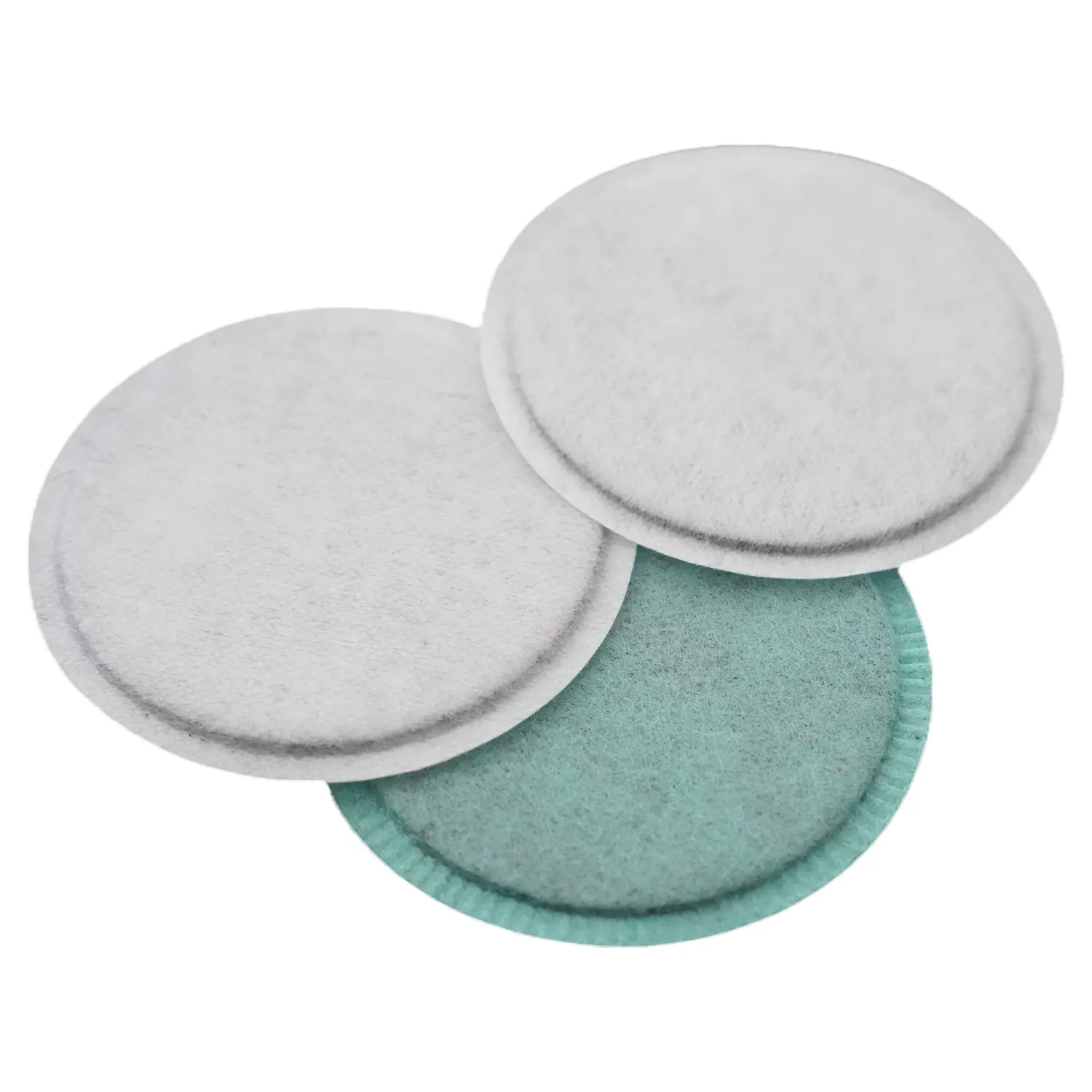
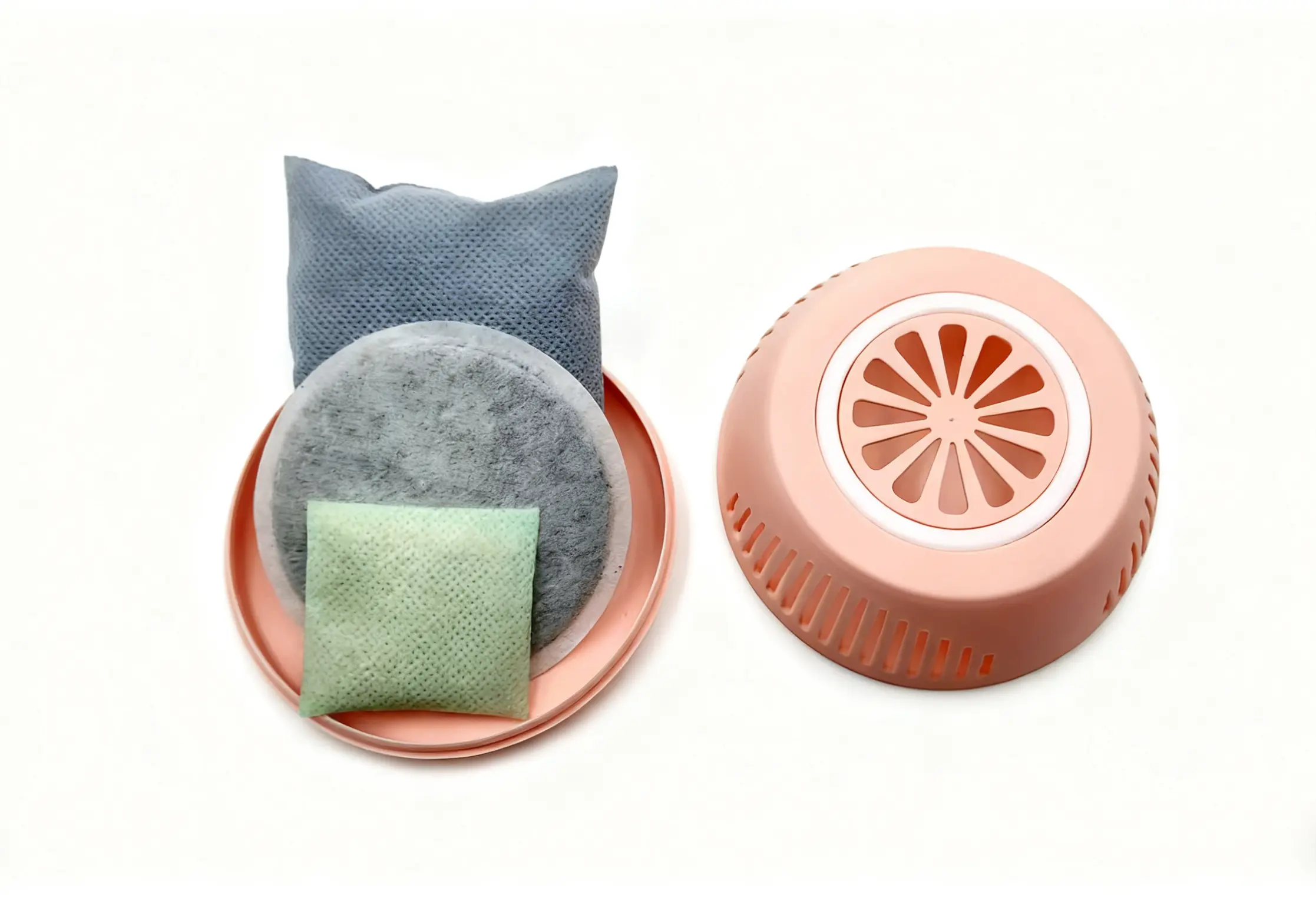
Mask deodorizing filters can help reduce exposures in the real world. Instead of relying on particle filtration, these filters use activated carbon to absorb odors, VOCs, and gaseous pollutants while still being lightweight and breathable.
For commuters, renovation workers, people living in crowded indoor spaces, or anyone sensitive to smells and poor air quality, replaceable mask deodorizing filters can be of great comfort and protection. Here is how they work, when they are needed, and what to look for when purchasing one.
The Hidden Reality of Indoor Air Pollution
Many people assume that staying indoors means breathing cleaner air. Research suggests otherwise. The World Health Organization has identified indoor air pollution as a significant global health concern, with exposure to pollutants such as benzene, formaldehyde, nitrogen dioxide, and carbon monoxide contributing to a range of respiratory and cardiovascular diseases. In spaces with limited ventilation, concentrations of certain volatile organic compounds can accumulate to levels that are concerning for long‑term health.
Where Do These Pollutants Come From?
The sources of indoor air pollution are more diverse than many realize. Cleaning products and cosmetics release VOCs such as acetone and limonene directly into living spaces. Furnishings, paints, and building materials can emit formaldehyde and benzene for months or years after installation. Human activities further add to the load—cooking, heating, and even the simple presence of occupants contribute to measurable levels of carbon dioxide, particulates, and gaseous compounds.
During colder months, when households seal doors and windows to conserve energy, these pollutants can accumulate, contributing to what is sometimes called “sick building syndrome” in offices, cars, and homes. A replaceable mask deodorizing filter addresses this vulnerability by providing on‑demand adsorption of harmful gases without requiring full‑room ventilation or expensive air purification equipment.
How Activated Carbon Technology Works in Replaceable Mask Deodorizing Filters
At the heart of every replaceable mask deodorizing filter is a process called adsorption—distinct from absorption. While absorption involves one substance being taken up inside another, adsorption is a surface‑based phenomenon in which gas molecules adhere to the outer surface of a solid material.
The Science of Adsorption
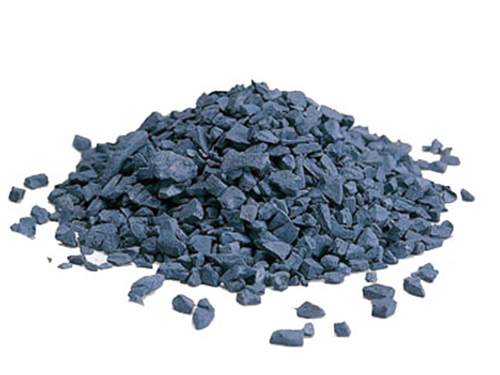
Activated carbon is a specially processed form of carbon that has been treated with heat, steam, or carbon dioxide to create an extensive network of microscopic pores. This activation step dramatically increases its usable surface area: a small amount of activated carbon can have a surface area comparable to that of a sports field. Each of these microscopic pores acts as a capture point for passing gas molecules.
As air is drawn through the filter during inhalation, pollutant molecules—including formaldehyde, benzene, VOCs, and odor‑causing compounds—are physically trapped within the porous structure of the activated carbon. This adsorption mechanism removes harmful substances from the airstream before they reach the lungs.
Why Replaceability Is Critical for Effectiveness
Unlike washable fabric masks or permanent filter systems, replaceable mask deodorizing filters are designed to be changed once the activated carbon reaches saturation. The reason is straightforward: adsorption capacity is finite. Over time, the micropores fill with captured pollutants. Once this saturation point is reached, the filter can no longer trap additional contaminants effectively.
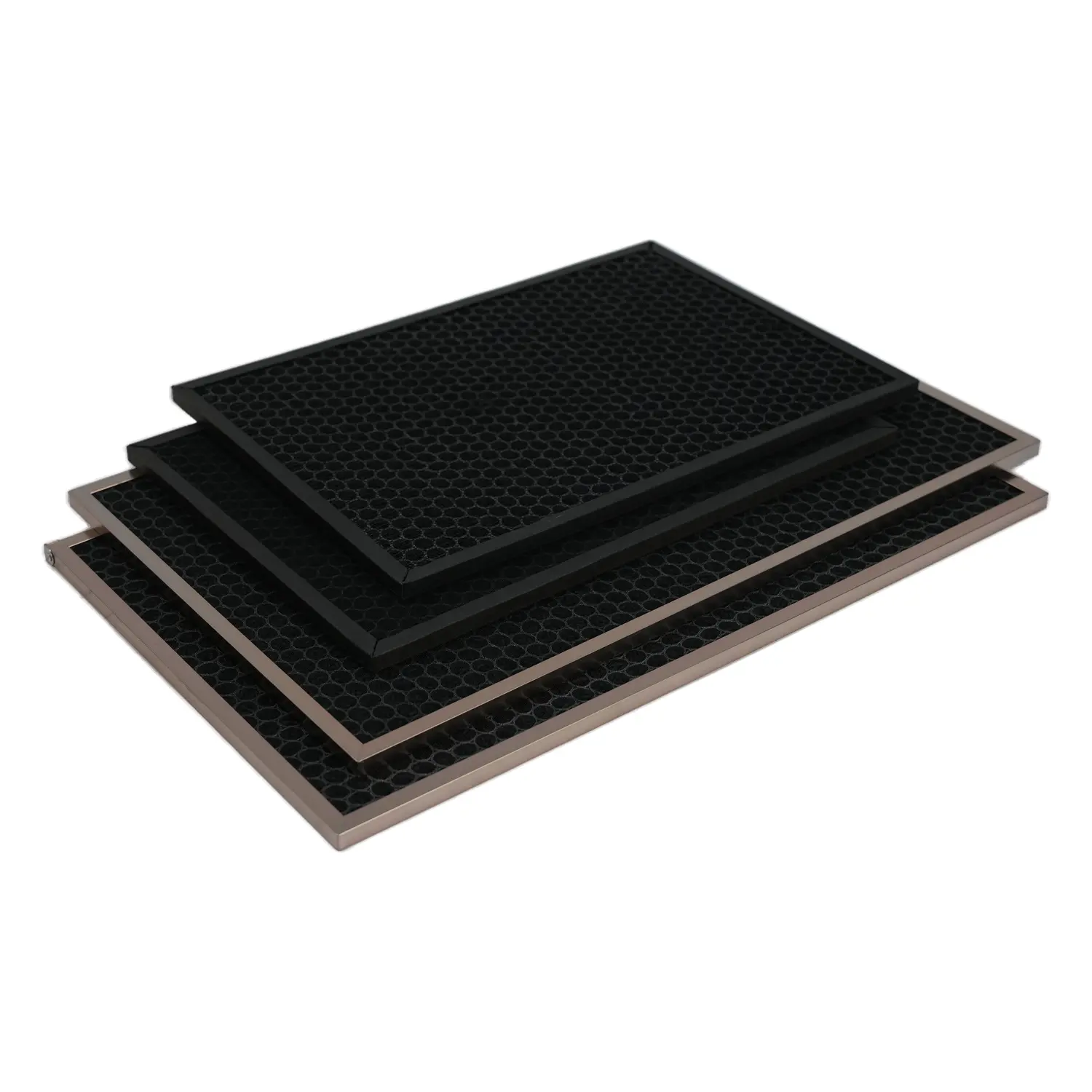
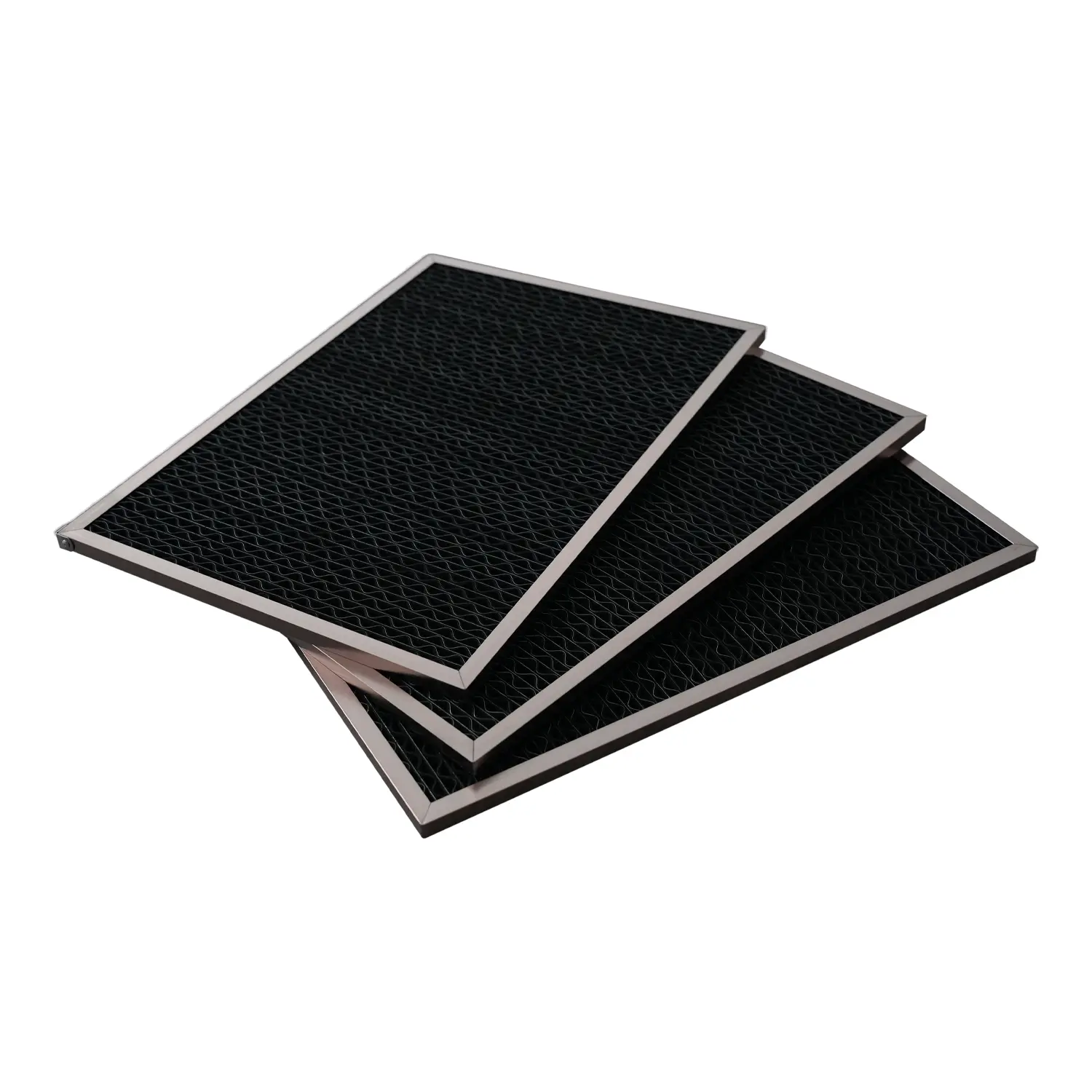
In a high‑quality replaceable mask deodorizing filter, the base material typically incorporates a honeycomb structure filled with high‑performance columnar carbon. This architecture maximizes surface‑area contact while minimizing airflow restriction, resulting in efficient removal of harmful gases. Replaceability ensures that users are never relying on an expired or saturated filter for protection.
Low Ventilation Resistance for Comfortable Wear
One of the most common concerns about mask use is breathing difficulty. Advanced replaceable mask deodorizing filters address this by engineering a low‑ventilation‑resistance structure, allowing the user to breathe more freely than with many disposable alternatives. This design is achieved through an optimal pore size distribution and careful placement of activated carbon within the supporting matrix. The result is a filter that removes gaseous pollutants without forcing the wearer to work harder to inhale, making it suitable for extended daily use in workplaces, travel, or higher‑demand environments.
Replaceable vs. Disposable Masks — A Side‑by‑Side Comparison
Comparison Table
| Parameter | Replaceable Mask Deodorizing Filter | Disposable Paper Mask |
|---|---|---|
| Filtration mechanism | Activated carbon adsorption + physical interception | Primarily physical interception |
| VOC/odor removal capability | High — adsorbs formaldehyde, benzene, VOCs, smoke, odors | Limited — gases may pass through |
| Lifespan per unit | Multiple weeks of regular use | Typically, hours of use |
| Replacement frequency | Every few weeks (or when saturated) | After each shift or day |
| Annual cost | Moderate | Can be high with frequent use |
| Environmental impact | Reusable frame + replaceable cartridges | Single‑use waste |
| Particulate filtration efficiency | High (depending on design) | Varies significantly |
| Breathability | Low resistance — designed for sustained wear | Can be restrictive |
| Maintenance | Replace filter regularly; wipe frame clean | Discard the entire mask |
Why the Differences Matter for Daily Air Quality
Disposable paper masks are primarily designed for particulate control and may offer limited performance against gaseous pollutants such as VOCs, smoke, or chemical odors. For anyone spending significant time in environments with painting, cleaning, cooking, or off‑gassing from new furniture, this limitation is substantial. A standard disposable mask may not adequately protect the lungs from common indoor air threats. Meanwhile, a replaceable mask deodorizing filter is purpose‑built for gas and odor removal, turning an ordinary mask into a more effective barrier against both particulates and gaseous contaminants.
For homeowners in flood‑affected or fire‑affected zones, and for anyone completing renovation projects, the difference is tangible: the replaceable filter can significantly reduce discomfort from irritating odors, gases, and fumes.
Key Features That Define a High‑Quality Replaceable Mask Deodorizing Filter
Honeycomb Carbon Structure for Maximum Efficiency
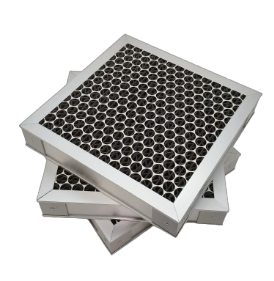
One of the most important design elements in a professional‑grade replaceable mask deodorizing filter is its honeycomb base material. This engineered structure incorporates high‑performance columnar carbon throughout a grid‑like supporting matrix. The honeycomb pattern provides several critical advantages: it maximizes the amount of activated carbon within the available space, maintains low airflow resistance, and ensures that all air passing through the filter contacts the carbon surface before reaching the wearer.
A honeycomb configuration delivers uniform adsorption across the entire filter area, preventing “channeling” where air might otherwise bypass the carbon bed. Users receive the full benefit of the carbon content across every breath cycle.
No Adhesive Contamination
Some lower‑cost mask filters rely on adhesives to hold the activated carbon layer in place. These adhesives can contain volatile compounds that may off‑gas during use, potentially exposing the wearer to additional contaminants. Professional‑grade replaceable mask deodorizing filters often feature a no‑adhesive construction, which helps ensure that the filter does not introduce its own emissions into the airstream.
Carbon Cloth and Activated Carbon Fiber Options
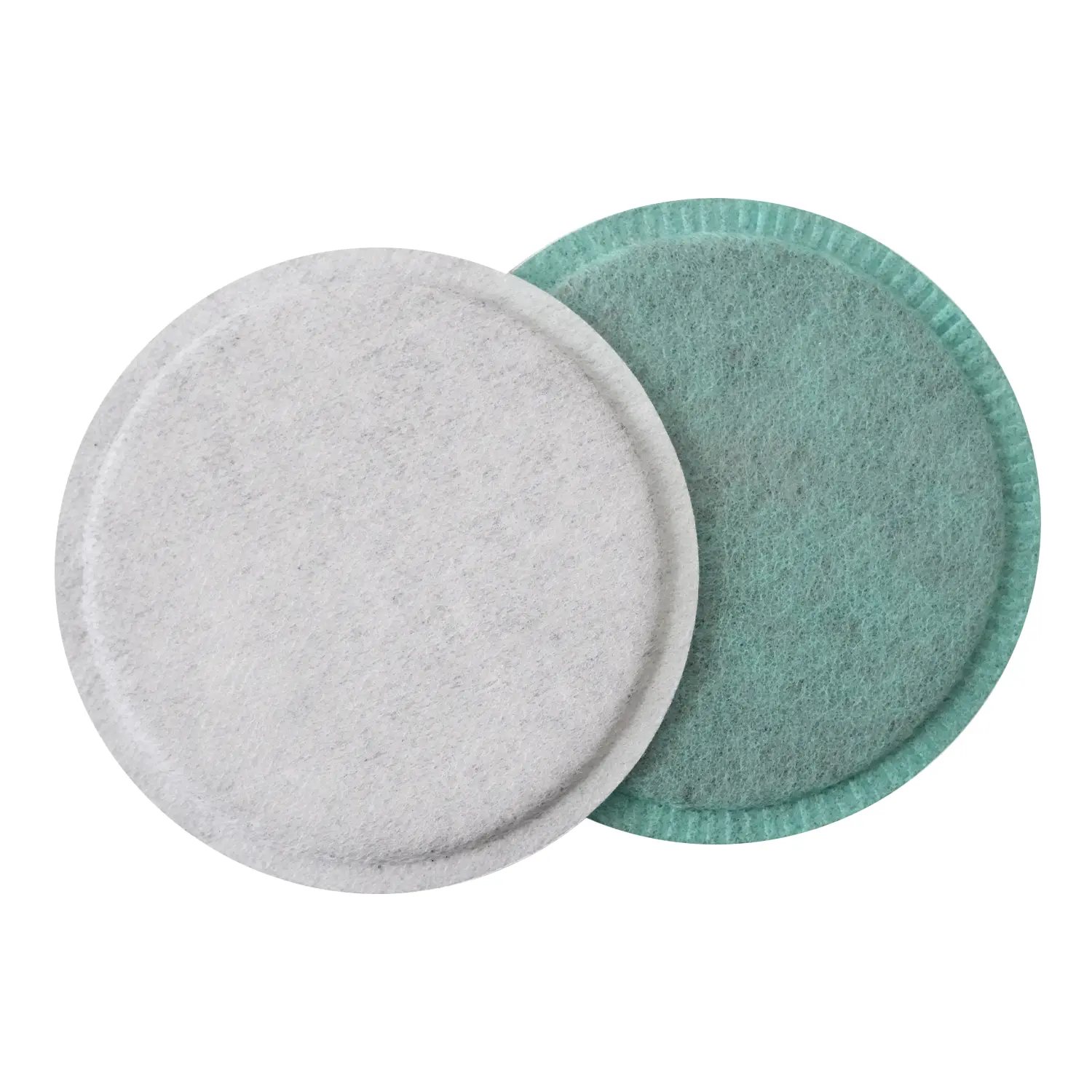
Premium replaceable mask deodorizing filters are typically available in both carbon cloth and activated carbon fiber (ACF) variants. Carbon cloth offers good flexibility and conformability for complex mask shapes. Activated carbon fiber, with its high surface‑area‑to‑mass ratio, provides rapid adsorption kinetics—meaning it captures pollutants quickly as air passes through. Both options remain lightweight and easy to use, adding minimal bulk while adding meaningful protective capacity.
Real‑World Applications for Everyday Air Quality Protection
Urban Commuting and Public Transportation
Millions of people spend hours each week in buses, subways, and trains. These confined spaces can concentrate exhaust fumes, human‑borne particulates, cleaning chemical residues, and body odors. A replaceable mask deodorizing filter can make a commute more comfortable by capturing many of the VOCs and odors that recirculate through transit cabins.
Post‑Renovation and New Furniture Environments
Newly renovated houses or recently purchased furniture may release formaldehyde and other VOCs. Wearing a mask equipped with an activated‑carbon‑based replaceable mask deodorizing filter can reduce inhalation of these emissions, alleviating discomfort until ventilation lowers baseline concentrations.
Smoke and Wildfire Season
Seasonal wildfires expose large populations to drifting smoke and combustion‑related VOCs. Unlike a standard particulate mask, a replaceable mask deodorizing filter can also adsorb some of the gaseous components of smoke—the invisible fraction responsible for the characteristic burning odor. For residents of wildfire‑prone areas, this represents a more comprehensive protection option.
Industrial Settings and Woodworking
Anyone working with paints, solvents, two‑pack finishes, or adhesives—whether professionally or as a hobby—can benefit from enhanced gas‑phase protection. In spray painting workshops or woodworking shops where finishes outgas, a replaceable mask deodorizing filter provides odor and VOC reduction that a dust mask cannot match.
Pet Households and Gardening
Pet dander, litter box odors, and pesticide residues are all sources of airborne irritants. For allergy sufferers, a replaceable mask deodorizing filter can help reduce exposure to these compounds, making chores more comfortable. The activated carbon layer traps many odor molecules, keeping indoor tasks more breathable.
How to Maintain and Replace Your Deodorizing Filter for Maximum Performance
Recognizing When Replacement Is Due
A replaceable mask deodorizing filter performs best when fresh. Over time, the carbon pores become saturated, and the filter loses its ability to adsorb additional pollutants. Unlike a particulate filter that shows visible dirt, an activated carbon filter gives no obvious visual sign of saturation. Users should rely on time‑based and sensation‑based indicators. Many manufacturers recommend replacing carbon filters every few weeks for regular daily use, depending on exposure levels.
If the filter stops removing odors—meaning the wearer can smell scents that were previously blocked—or if the filter’s texture becomes noticeably harder and darker in color, the carbon bed has likely reached its adsorption limit and requires replacement. Trusting the nose is often the most practical method: when odors return, the filter needs changing.
Proper Storage Between Uses
When the mask is not in use, storing the replaceable mask deodorizing filter in a dry, sealed container or a resealable bag can help preserve its remaining adsorption capacity. Humidity and high temperatures may cause activated carbon to release captured pollutants (a process called desorption) or promote microbial growth. A dry, cool, ventilated storage location away from direct sunlight, cooking fumes, and chemicals extends the usable life of each replaceable filter.
Important — Do Not Wash Carbon Filters
A common mistake is attempting to wash the replaceable mask deodorizing filter with water. Water saturates the carbon pores, drastically reducing the available surface area for gas adsorption. In addition, water washing can damage the pore structure, permanently degrading filter performance. If the mask frame or outer cover is washable, only those non‑carbon components should be cleaned with mild detergent and allowed to dry completely before reassembly. The carbon layer itself should remain dry at all times.
Economic and Environmental Considerations
Cost Per Use
Some assume that buying a replaceable mask deodorizing filter plus a compatible mask is more expensive than using disposable paper masks. However, because each replaceable filter lasts for multiple weeks of normal use—while disposables are typically discarded after hours—the cost‑per‑hour equation often favors the replaceable option, especially for regular users.
Reduced Waste
The environmental impact of disposable mask use has become a significant concern. Each discarded mask contributes to plastic waste. A replaceable mask deodorizing filter approach generates substantially less waste: one reusable mask frame plus a supply of replacement filters over a year produces far less discarded material than hundreds of single‑use masks. For environmentally conscious individuals, this sustainability benefit is an important factor.
FAQ
Q1: What does a replaceable mask deodorizing filter remove from the air?
Activated carbon removes volatile organic compounds (VOCs), many odors, smoke, paint fumes, formaldehyde, benzene, cooking smells, pet odors, and secondhand smoke gases through adsorption onto the carbon surface.
Q2: How often should I replace the deodorizing filter?
For regular daily use, many manufacturers suggest changing the filter every few weeks. Under heavy exposure (painting, wildfire smoke, strong chemicals), replacement may be needed sooner. When you notice odors returning, it is time to change the filter.
Q3: Can I wash and reuse the replaceable mask deodorizing filter?
No. Washing the activated carbon filter with water damages its pore structure and reduces its adsorption capacity. Only wash the reusable mask frame or cover, not the carbon filter itself.
Q4: Are replaceable mask deodorizing filters safe for daily wear?
Yes. High‑quality filters with no‑adhesive construction and low ventilation resistance are designed for extended daily use. The activated carbon layer is non‑toxic and chemically stable under normal conditions.
Q5: How do I know when my activated carbon filter is saturated?
Signs include a stiffening of the filter texture, noticeable darkening in color, or the return of odors that were previously blocked. Reaching the manufacturer’s recommended usage time is also a reliable indicator.
Q6: Will a replaceable mask deodorizing filter fit any cloth mask?
Some cloth masks have a filter pocket that can accommodate these filters. However, for the best fit and seal, consider using a mask system specifically designed to work with replaceable deodorizing filters.
Conclusion: Cleaner Air Starts with Small Daily Choices
Indoor air quality affects comfort and health more than many people realize. From commuting and travel to renovation projects and everyday household products, exposure to odors and airborne chemicals is often part of modern life.
Replaceable mask deodorizing filters offer a simple way to reduce that exposure. By using activated carbon to capture many unwanted gases and smells, they add an extra layer of protection when cleaner air is not fully under your control.
For regular commuters, homeowners, workshop users, and anyone sensitive to indoor odors, the right filter system can make daily breathing noticeably more comfortable.
Understanding how these filters work—and replacing them on time—is the key to getting the best results.