Introduction
An air chemical filter system removes VOCs through chemical reactions that neutralize or transform contaminants at a molecular level. In contrast, standard carbon filters rely on physical adsorption, which can be affected by temperature and humidity changes and may lead to partial desorption under certain conditions. As a result, chemical filtration provides more stable and predictable long-term performance.
In industrial applications with strict emission control requirements, this difference directly impacts air quality management, regulatory compliance, and production stability.
System performance depends not only on filter media but also on system placement within the air handling process. Installation position can significantly affect removal efficiency, especially in environments with fluctuating VOC concentrations.
What Actually Happens Inside an Air Chemical Filter System
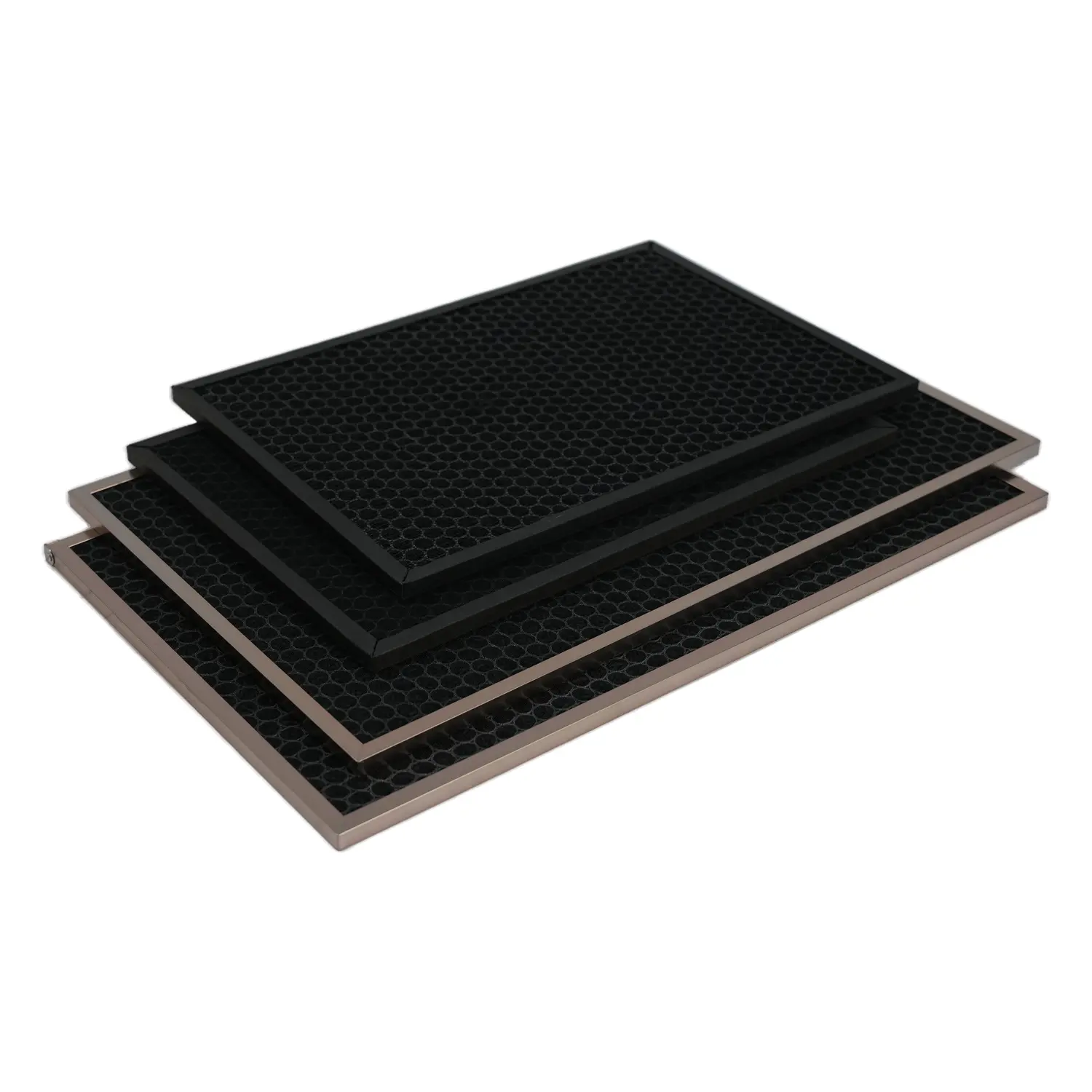
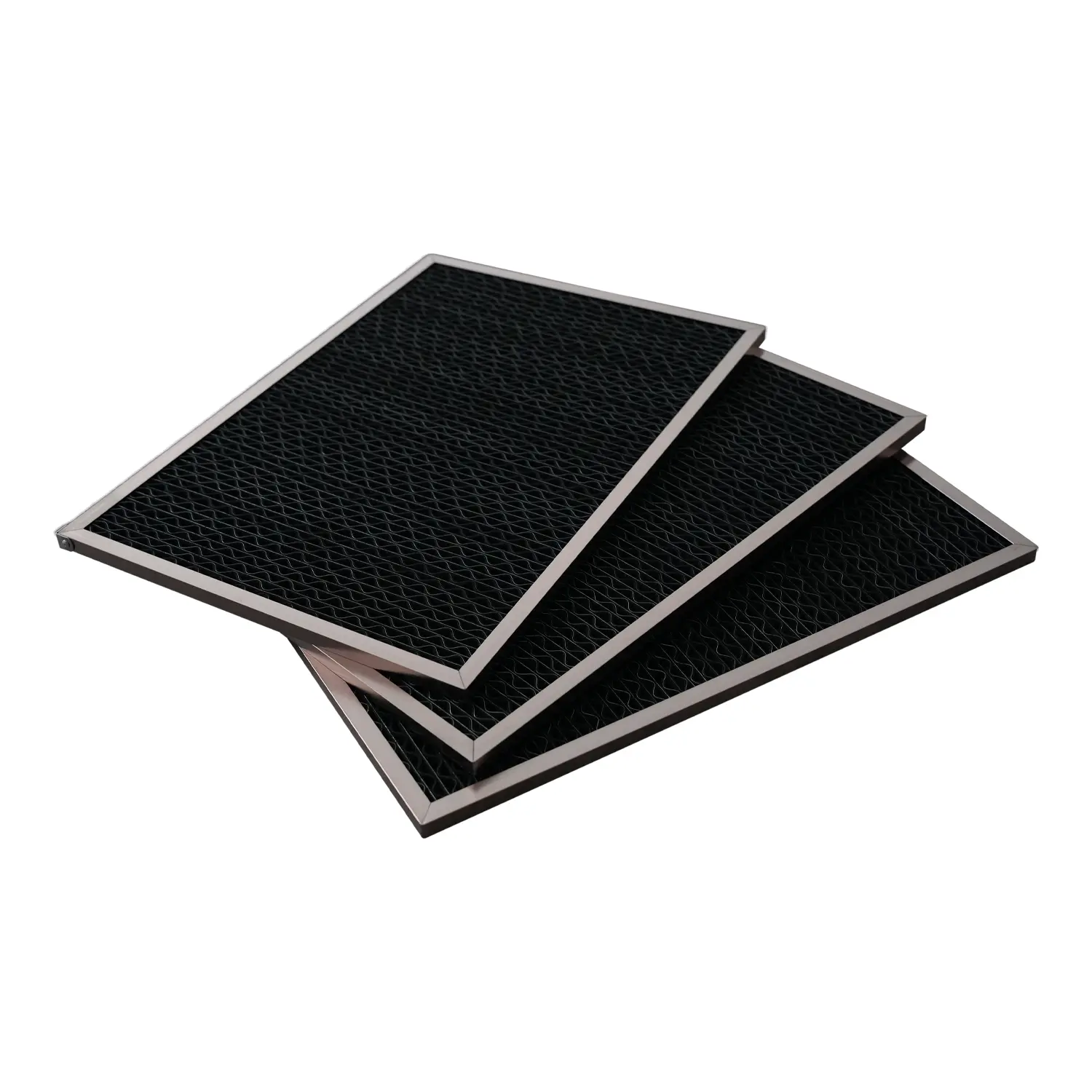
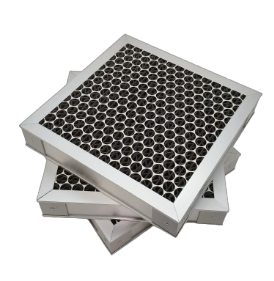
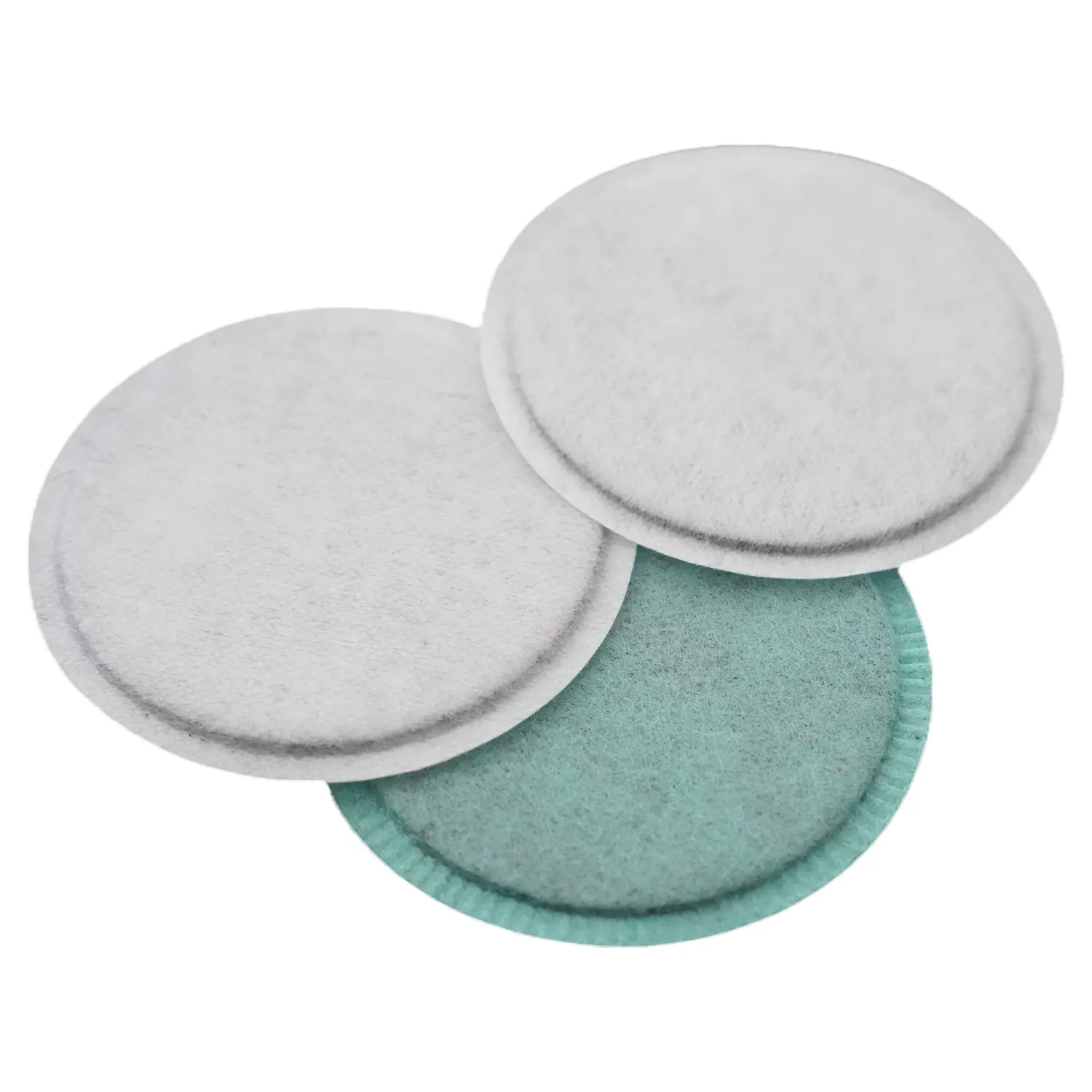
An air chemical filter system is a gas-phase filtration unit designed to remove volatile organic compounds (VOCs), acid gases, alkaline gases, and airborne molecular contaminants (AMCs) through physical adsorption and chemical reactions. Contaminated air passes through a packed media bed of engineered adsorbents, where target molecules are captured, neutralized, or converted depending on media type.
Typical chemical filter media fall into three main categories:
Activated carbon (standard or impregnated) — high surface area for VOC adsorption
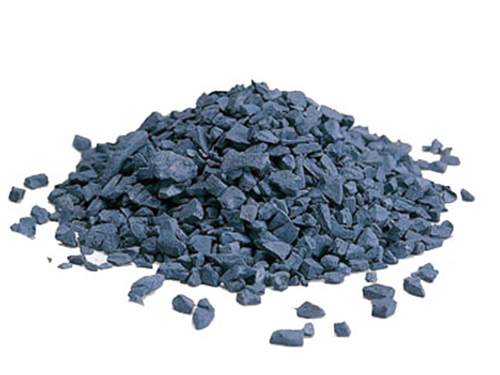
Chemically modified carbon — impregnated with agents such as potassium permanganate (KMnO₄) for oxidation of acid gases and selected VOCs
Alumina-based or zeolite media — designed for polar compounds and low-concentration contaminants where carbon efficiency is limited
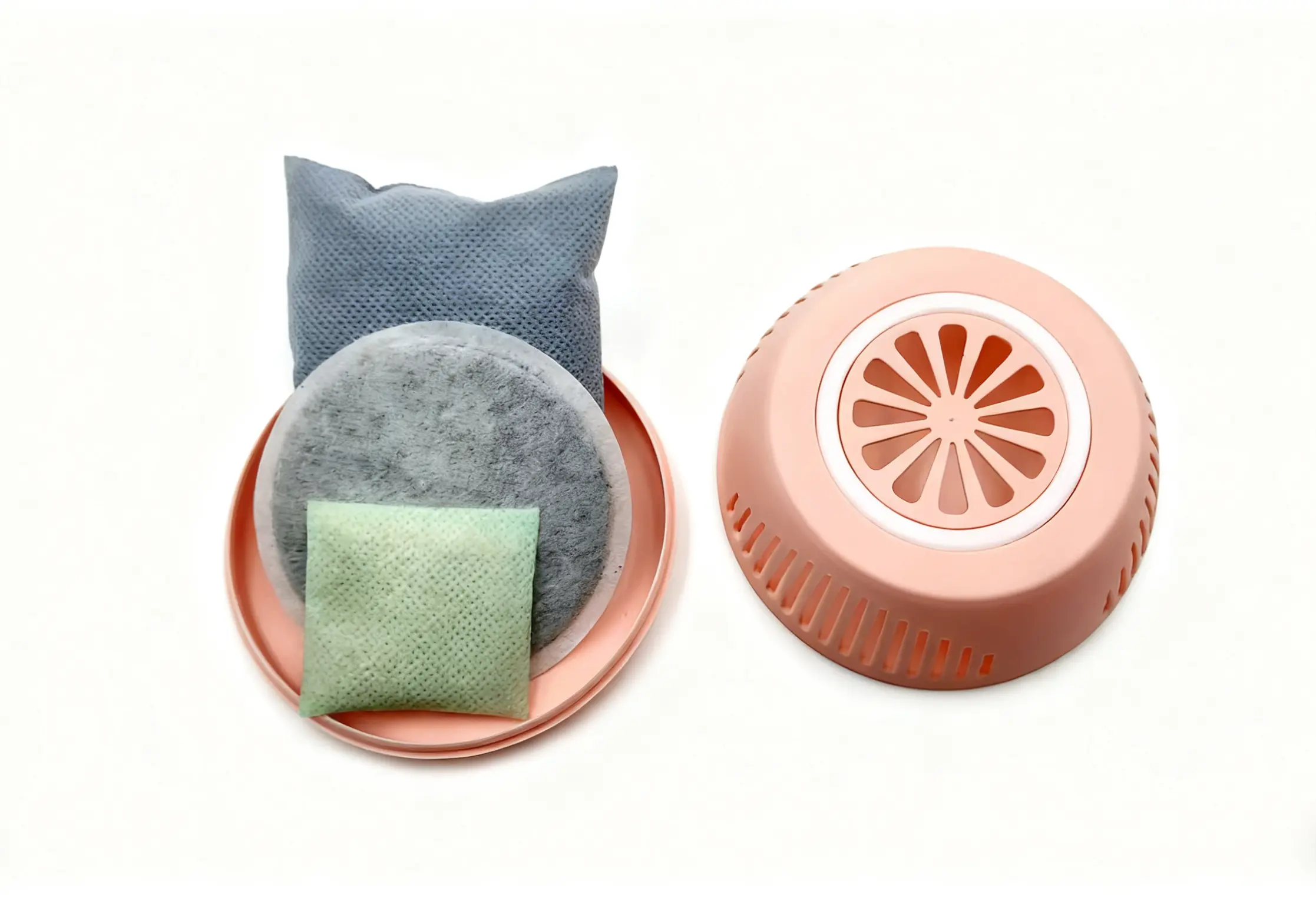
Together, these media define the filtration “spectrum”—including capture range, saturation rate, and breakthrough behavior. A multi-layer air chemical filter system can therefore handle mixed contaminant streams more effectively than single-media designs.
Physical Adsorption vs. Chemical Adsorption: The Real Difference
Physical adsorption, used in standard carbon filters, relies on van der Waals forces to retain VOC molecules within microporous carbon structures. This interaction is reversible, and adsorbed compounds may be released when temperature or humidity conditions change, a phenomenon known as desorption.
Chemical adsorption uses reactive media that chemically bind or convert target molecules through covalent bonding or acid-base reactions. This process is irreversible, meaning captured contaminants are permanently removed from the air stream. An air chemical filter system based on this mechanism, therefore, avoids re-emission risks associated with stored contaminants.
According to industrial practice, activated carbon provides broad but non-selective adsorption, making it effective for large organic molecules but less reliable for small polar gases. Chemical filter media, by contrast, enable targeted removal at very low concentration levels. In mixed gas environments containing compounds such as toluene and hydrogen chloride, conventional carbon filtration may leave gaps in removal efficiency or show unstable performance under varying conditions, where an air chemical filter system becomes necessary.
Why Standard Carbon Filters Often Fall Short for VOCs
Activated carbon is a remarkable material. Its specific surface area can reach up to 2,000 m² per gram—that’s about the size of two football fields packed into a single gram of material. That porosity is exactly what makes it so good at adsorption. But here‘s the problem: activated carbon’s binding mechanism is physical, not chemical. It holds VOC molecules by weak intermolecular forces. When those forces are overcome—by temperature rise, humidity spikes, or competing molecules—the carbon can release what it was holding.
I‘ve seen this happen in the field. A facility installs a carbon-only filter, everything works fine for three months, then a heat wave hits. Suddenly, the VOC monitors start climbing even though the filter is still “new.” The carbon didn’t stop working—it just started releasing its stored inventory. That‘s not a filter failure; it’s a design failure to account for the mechanism. An air chemical filter system, by contrast, doesn‘t store VOCs for later release—it destroys or permanently binds them the moment they contact the media.
Another limitation: carbon filters are non-selective in a way that works against them. They don’t distinguish between a harmful solvent molecule and a harmless large organic compound. Both occupy pore space, and both contribute to saturation. In a mixed-waste environment, that means capacity gets consumed by things you don‘t actually need to remove. Some air chemical filter system designs solve this by layering specialized media—say, one section for acids, another for bases, a third for VOCs—so the filter only spends its capacity on what actually matters to your compliance requirements.
There’s also a practical constraint around service life. Academic research on VOC abatement has demonstrated that activated carbon filters degrade in performance over time as they become saturated, requiring either replacement or regeneration. Without predictive monitoring—knowing when a breakthrough is coming before it happens—facilities either change filters too early (wasting money) or too late (risking compliance). A well-designed air chemical filter system addresses this through media combinations that provide flatter breakthrough curves and more predictable end-of-life indicators.
The Breakthrough Curve: Why Consistent Performance Matters
Every filter has a breakthrough curve—the point at which contaminants start appearing on the clean side at detectable concentrations. The shape of that curve matters enormously for industrial operations.
Conventional carbon filters often show a gradual, unpredictable breakthrough. The filter works perfectly for a long period, then performance degrades slowly, making it hard to know exactly when replacement is necessary. By contrast, well-designed chemical filter media (especially impregnated formulations) often exhibit a much sharper breakthrough profile—near-complete removal right up until the media is exhausted, at which point concentration rises quickly.
To an environmental manager, that sharp breakthrough profile is actually preferable. It means predictable performance, measurable remaining capacity through periodic media sampling, and no guessing games. An industry analysis on high-end semiconductor applications noted that an air chemical filter system’s consumption rate can be precisely calculated through lab analysis of remaining reagent content, translating into scheduled preventative maintenance rather than emergency response. In other words, you can plan your filter changes like oil changes, not like waiting for a check-engine light that might never come.
A case study from a French industrial site illustrates the stakes. A manufacturer with complex gaseous emissions—including ammonia, VOCs, formaldehyde, and acid traces—implemented an air chemical filter system with three distinct media types. The design used non-impregnated carbon for VOCs, basic-impregnated carbon for ammonia and amines, and permanganate-based oxidizing media for acid gases. The result was effective removal across the full spectrum of contaminants, with optimized media life through proper contact time design and predictive maintenance based on periodic coal analysis. That‘s not theoretical—it’s already installed and working.
Where Air Chemical Filter Systems Actually Get Used
The product page for HRFIL‘s chemical filter notes applications in “precision industrial workshops such as IC, chip, and electronic industries, —which is accurate but also undersells the range of use cases. In my experience, you’ll find air chemical filter systems in four main environments.
Semiconductor and electronics manufacturing. This is the most demanding application. Cleanrooms require removal of airborne molecular contaminants (AMCs) at parts-per-trillion levels because molecular contamination directly impacts wafer yields. A review on AMC adsorption in electronics cleanrooms notes that as integrated circuit line widths have shrunk from 800-200 nm in the 1990s to 7 nm or smaller today, cleanliness requirements have tightened correspondingly. Particulate control is well-handled by HEPA/ULPA filters, but gaseous molecular contaminants require chemical filtration. Without an air chemical filter system, wafer surfaces can undergo acid corrosion or salt crystal formation—damage that‘s often only detected during final testing, after significant value has been added.
Chemical and pharmaceutical plants. Here, the concern is both worker exposure and environmental release. Reactor vents, tank openings, and process exhausts emit complex mixtures that change batch to batch. A multi-media air chemical filter system handles this variability better than a single-chemistry approach.
Paint and coating facilities. Spray booths and curing ovens generate high VOC loads that must be reduced before atmospheric release. Chemical filtration is often paired with concentrators or thermal oxidizers in a cascading treatment train.
Food processing and wastewater treatment. Odor control is the primary driver. Hydrogen sulfide, ammonia, and organic amines are the targets—all of which respond well to impregnated chemical media.
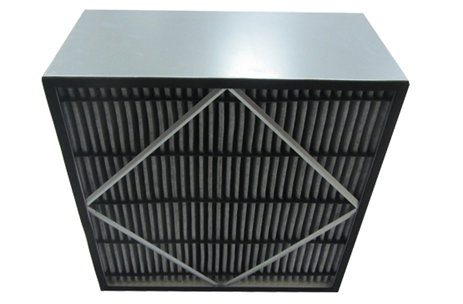
One thing worth noting: an air chemical filter system is rarely a standalone solution. It typically works in a treatment train with particulate pre-filtration (to keep dust from fouling the chemical media) and sometimes with thermal oxidation or biological treatment for the highest concentrations. The packaged unit includes the housing, media, monitoring ports, and pressure drop sensors, but the total installation design always depends on your specific influent concentrations and target exit levels.
Pressure Drop, Media Bed Design, and Operating Costs
Two numbers tell you most of what you need to know about a chemical filter’s operational economics: pressure drop (the resistance air faces passing through) and service life (how long the media stays effective before breakthrough).
Pressure drop is straightforward: higher resistance means bigger fans, more energy consumption, and higher operating costs. A well-designed air chemical filter system keeps pressure drop low while maintaining high contact time between air and media. That balance is why packed-bed depth matters—too shallow, and contact time is insufficient; too deep, and the fan load becomes excessive. Typical pressure drops for industrial chemical filter modules range from 40 to 55 Pa at standard airflow, depending on media configuration.
Service life is more complicated because it depends on inlet concentration, airflow volume, target pollutants, and humidity. No reputable supplier will give you a single number without site-specific data. But there are patterns. A modular air chemical filter system with replaceable media trays—rather than disposable entire housings—can reduce waste disposal volume by more than 60% and cut replacement material costs by over 40% through frame reuse. That‘s not a minor operational saving; it’s a fundamental redesign of how the filter gets maintained.
The related parameter of dust holding capacity—how much particulate the filter can capture before pressure drop becomes unacceptable—also matters. In chemical filtration, reaction byproducts can create additional solids that increase resistance over time. That‘s another reason why pre-filtration of particulates is critical: it keeps the chemical media doing chemistry instead of acting as a dust collector.
Regulatory Drivers: Why Compliance Keeps Getting Harder
The regulatory environment for VOC emissions is not static. It’s getting tighter everywhere.
In the United States, the EPA’s National Emission Standards for Hazardous Air Pollutants (NESHAPs) continue to expand coverage to more source categories. Maximum Achievable Control Technology (MACT) standards are being revisited and, in many cases, tightened.
In China, new VOC emission control standards took effect on January 1, 2026, with updates covering expanded industry categories, including electronics manufacturing, which previously had different requirements. Non-methane total hydrocarbons (NMHC) hourly average limits have been tightened to 20 mg/m³ in key regions. Additionally, GB 37822-2026 sets new fugitive emission control standards with near-zero tolerance for uncontrolled releases. Shanghai introduced China’s first mandatory local standard for VOC leak detection and repair (LDAR) in March 2026.
What this means in practice: facilities that once could rely on simple carbon filters for compliance are now looking at an air chemical filter system as a requirement, not an option. The emission limits are low enough that even minor desorption events or unpredictable breakthrough curves can push a facility over the line. An air chemical filter system provides the stable, predictable performance that regulators increasingly expect.
Common Mistakes When Specifying Chemical Filters
After reviewing dozens of installations, I’ve seen the same mistakes repeat themselves.
Mistake #1: Buying an air chemical filter system without inlet sampling. You cannot specify the right media blend without knowing exactly what‘s in your air. Total VOC numbers aren’t enough—you need speciation. Is it toluene? Ethyl acetate? Hydrogen chloride? Different molecules require different chemistry.
Mistake #2: Ignoring humidity. High relative humidity (above 60-70%) can reduce activated carbon‘s adsorption capacity significantly because water vapor competes for pore space. Some impregnated media are less affected, but the effect should be modeled, not assumed. An air chemical filter system designed for high-humidity environments requires specific media selection.
Mistake #3: Placing the chemical filter downstream of a humidifier or upstream of a heat source without accounting for the temperature and humidity shift. The media’s performance curve changes with both parameters, and what works at 25°C may fail at 40°C.
Mistake #4: Not planning for end-of-life verification. Without periodic media sampling—typically at 3 and 6 months after commissioning—you‘re flying blind. Chemical filters don’t fail suddenly; they saturate gradually. But without data, you won‘t know where on the curve you are. An air chemical filter system with built-in sampling ports makes this process routine rather than disruptive.
Chemical Filter vs. Carbon Filter: When Each Makes Sense
| Feature | Air Chemical Filter System | Standard Carbon Filter |
|---|---|---|
| Removal mechanism | Chemical reaction + physical adsorption | Physical adsorption only |
| Irreversibility | Permanent molecular transformation | Reversible—desorption possible |
| Target pollutants | Wide spectrum; excels on mixed streams, acid/base gases | Primarily VOCs; limited to small polar molecules |
| Removal precision | Can achieve ppt-level for specific targets | Typically ppm-level |
| Breakthrough profile | Sharp—predictable end of life | Gradual—harder to predict failure |
| Humidity sensitivity | Varies by media; some formulations resistant | Significant at >60% RH |
| Upfront cost | Higher | Lower |
| Operating cost at steady load | Comparable or lower when media life is optimized | Higher if early replacement is required |
| Regulatory confidence | Highly stable performance until exhaustion | Moderate—risk of unmonitored desorption |
The decision framework isn‘t “which is better.” It’s “which is appropriate for your specific concentration profile, airflow, and compliance risk tolerance.” For facilities with stable VOC loads, moderate compliance margins, and low humidity, a quality carbon filter with predictive changeout might be perfectly adequate. For facilities with mixed contaminants, tight compliance limits, high humidity, or valuable downstream processes sensitive to molecular contamination (like semiconductor manufacturing), an air chemical filter system is the appropriate engineering choice.
FAQ
What types of VOCs can an air chemical filter system remove?
Most systems target a broad range, including aromatic hydrocarbons (benzene, toluene), oxygenated VOCs (alcohols, ketones), halogenated compounds, and acid gases (HCl, SO₂, NO₂). Effectiveness depends on media selection and contact time.
How long does chemical filter media last before replacement?
Service life ranges from 6 to 24 months, depending on inlet concentration, airflow, and pollutant mix. Regular media sampling at 3-6 month intervals enables predictive replacement rather than reactive changeout.
Can an air chemical filter system handle high VOC concentrations (above 500 ppm)?
Chemical filtration is generally optimized for low to moderate concentrations (sub-100 ppm). Higher concentrations are better addressed by thermal oxidizers, concentrators, or biological treatment upstream of the chemical filter as a polishing step.
Does humidity affect chemical filter performance?
Yes. High humidity can reduce the adsorption capacity of some media by competing for pore space. Select media formulations are less sensitive to humidity, and system design should account for local relative humidity conditions.
What maintenance does an air chemical filter system require?
Periodic pressure drop monitoring, visual inspection of media beds, and scheduled media sampling for laboratory analysis of remaining capacity. No moving parts means minimal mechanical maintenance—the work is in monitoring and changeout planning.
Conclusion: Know Your Chemistry, Know Your Compliance Path
An air chemical filter system removes VOCs through chemical reactions rather than physical adsorption. This provides more stable performance and reduces the risk of desorption that can occur in carbon-only systems under changing operating conditions.
As VOC regulations become stricter, facilities that rely only on standard carbon filtration may face compliance risks if system performance does not match actual air conditions. A properly specified air chemical filter system helps ensure more consistent removal and regulatory stability.
Higher initial cost is often offset by lower maintenance needs and more predictable long-term operation. However, performance depends on correct media selection based on real inlet gas composition.
For mixed contaminants or strict emission requirements, an air chemical filter system offers a more reliable compliance solution when properly engineered.
Ready to Specify the Right Air Chemical Filter System?
Please feel free to contact us anytime with any questions or needs.