
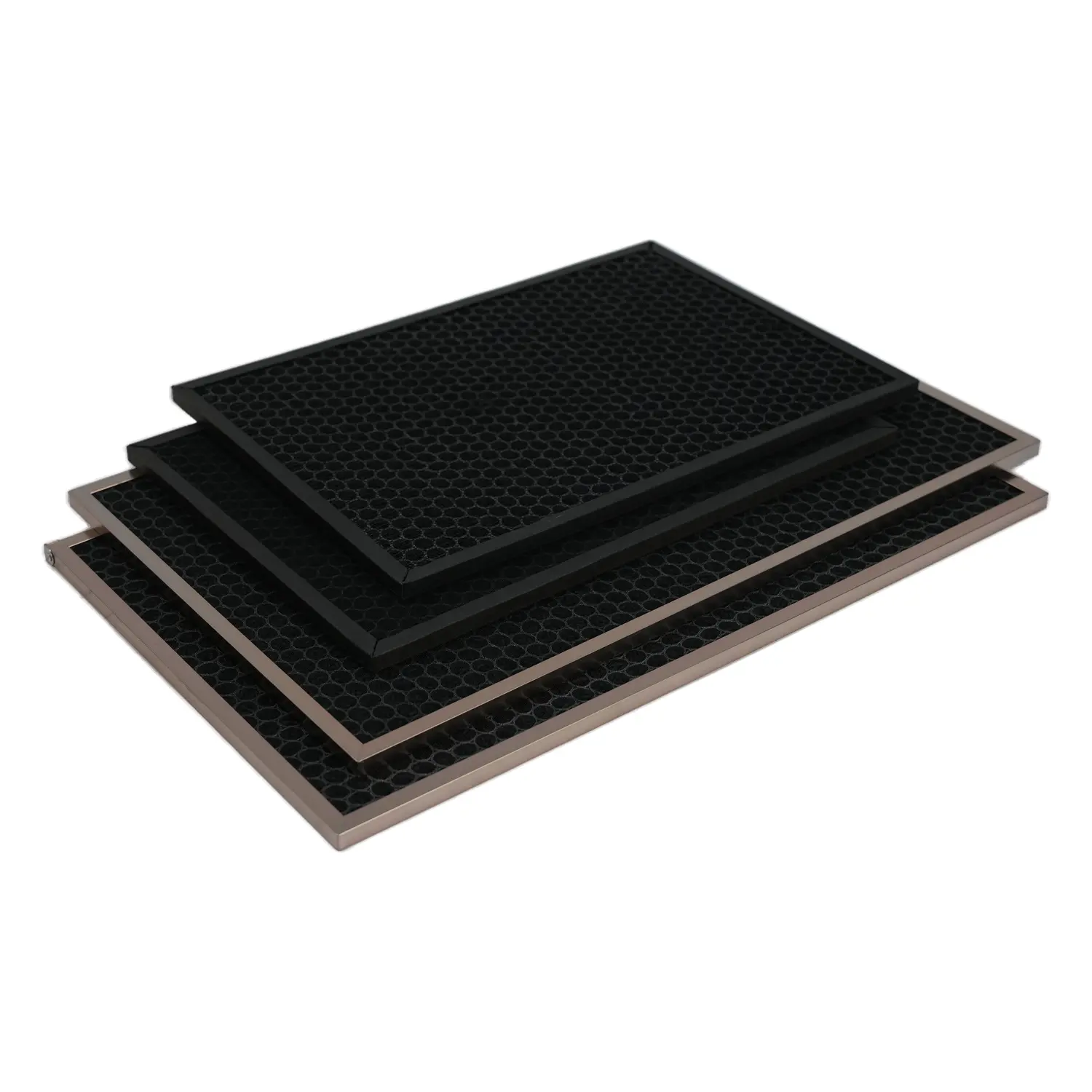
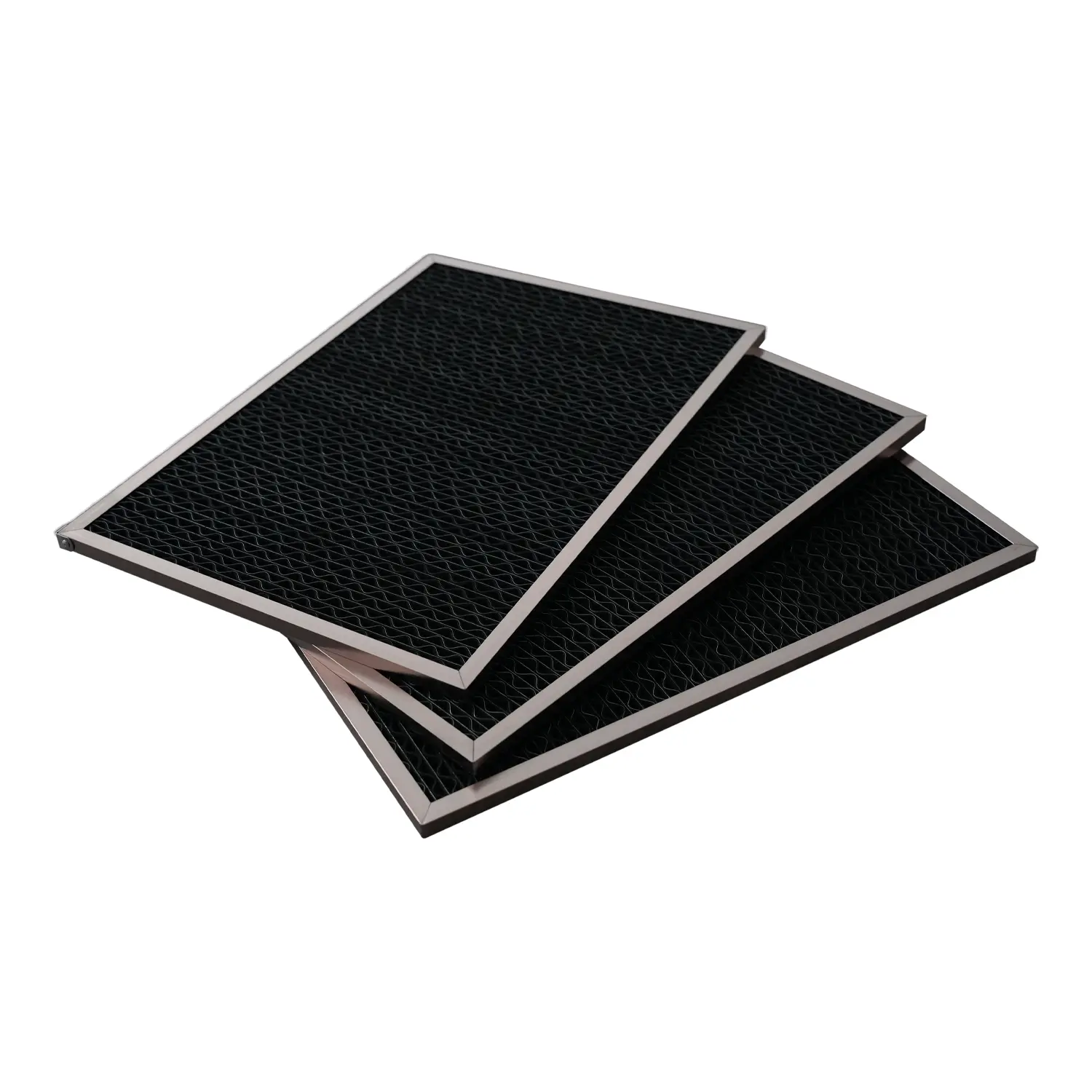
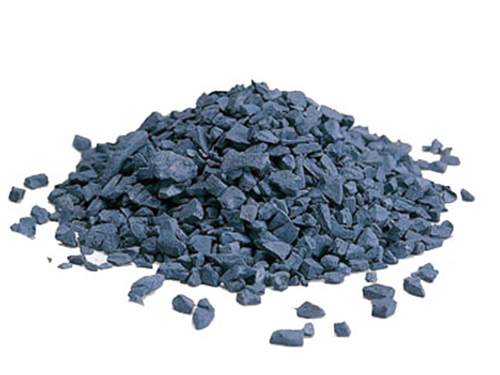
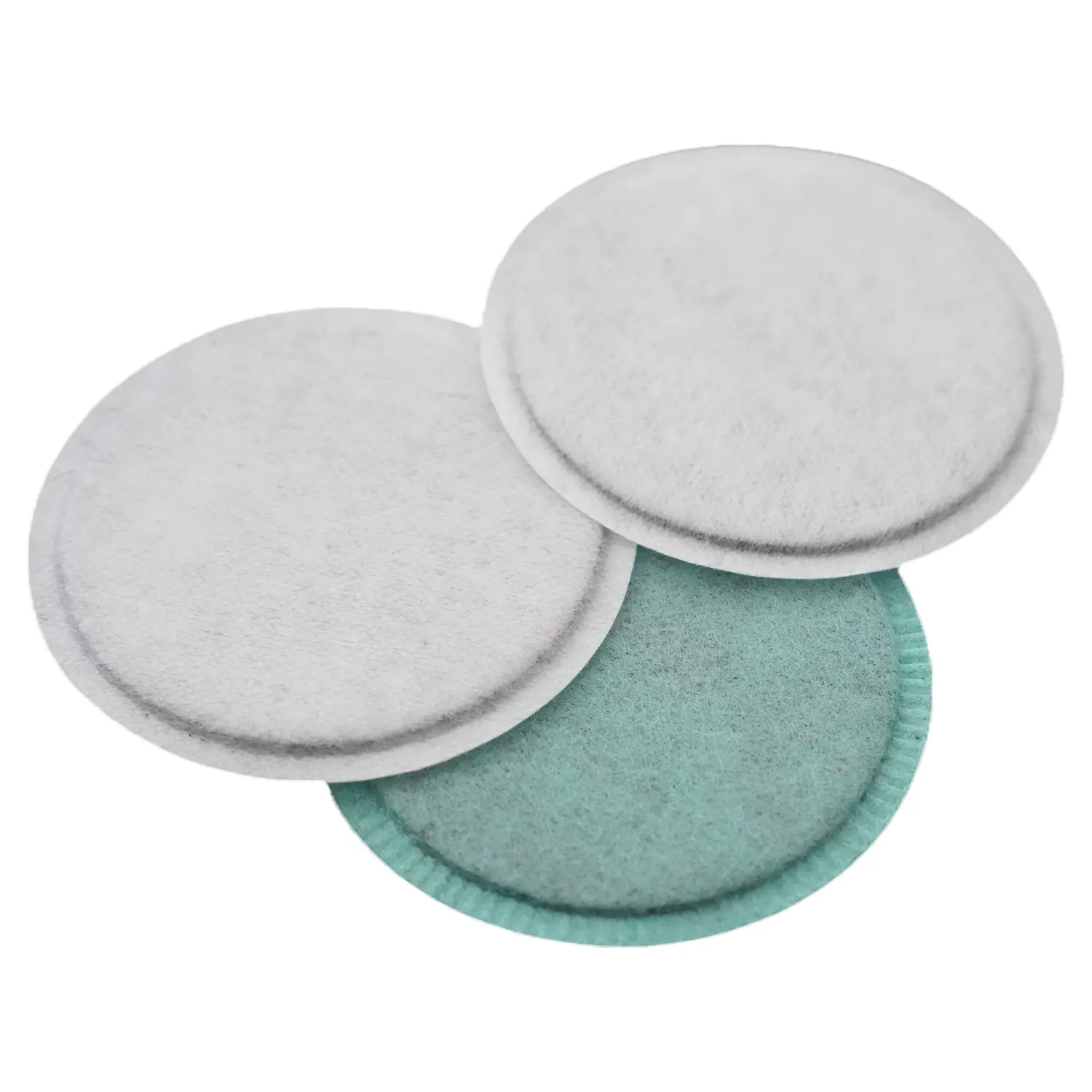
Introduction
The short answer is yes—but the right CO₂ filter can significantly reduce carbon capture costs. Conventional carbon capture systems still face major economic challenges, with industrial capture averaging around $140 per ton and direct air capture (DAC) ranging from $600 to $1,000 per ton. These high costs have slowed large-scale adoption across industries.
However, advanced CO₂ filters are beginning to change the economics of carbon capture. New adsorption materials can reduce energy consumption while improving capture efficiency. In real-world industrial applications, some systems are achieving capture rates of up to 99% while lowering operating costs by nearly 20%.
As carbon capture technologies continue to scale, modern CO₂ filters are becoming one of the most practical solutions for improving efficiency and lowering costs in both industrial facilities and DAC systems.
Why Carbon Capture Costs Have Stayed Stubbornly High
Before looking at how CO₂ filters improve capture efficiency, it is important to understand why carbon capture has remained expensive for so long. The global CCUS market continues to grow rapidly, with more projects moving from pilot programs to commercial deployment. Operational carbon capture capacity has already reached 73 million metric tons annually, with nearly 1,300 projects currently under development. Even so, this is still far below the level required to support global net-zero targets.
The biggest challenge has always been economics. Capture costs vary depending on CO₂ concentration, energy prices, and plant infrastructure. Coal and natural gas power plants still face relatively high capture costs, while cement production remains especially difficult because of process-related emissions. Direct air capture continues to be the most expensive approach, with current costs ranging from $400 to $1,000 per ton.
This is why many carbon capture projects still struggle to scale commercially despite growing policy support and government incentives. Although programs such as the U.S. 45Q tax credit are improving project economics, many conventional systems still face challenges related to energy consumption and long-term operating costs.
The Real Culprit: Energy-Intensive Regeneration
What drives these high costs? The answer lies largely in the regeneration step. Conventional carbon capture relies heavily on amine-based absorption—a chemical process where flue gases run through a solution containing amines, which bind to CO₂. The problem is that releasing that captured CO₂ requires heating the solution to temperatures exceeding 120°C (248°F). That regeneration step consumes enormous amounts of energy, often accounting for 40–50% of total operational costs in DAC systems.
This is where advanced CO₂ filters present a fundamentally different approach. Instead of relying on high-temperature chemical reactions, modern filtration systems use adsorption—a physical process where CO₂ molecules adhere to the surface of specialized solid materials. Regeneration happens through milder heating (80–120°C) or pressure reduction, requiring far less energy input.
That energy advantage translates directly into cost savings. And the gap is widening as filtration materials continue to improve.
How Advanced CO₂ Filters Are Driving Down Capture Costs
The filtration landscape has evolved dramatically in just the past two years. What used to be a narrow field dominated by basic activated carbon has exploded into a rich ecosystem of advanced sorbents, each engineered for specific gas streams and operating conditions. Let us break down what is actually available and what each material type does best.
Solid Amine-Functionalized Materials
These represent the current workhorse of advanced CO₂ filtration. Unlike liquid amines used in conventional absorption, solid amine sorbents are embedded in porous substrates like silica or alumina. They achieve CO₂ capacities of 0.5 to 2.5 mmol per gram at atmospheric concentrations of 400 ppm, with regeneration temperatures between 80 and 120°C and cycling stability exceeding 1,000 cycles.
Polymer-impregnated variants using 30–50 wt% polyethylenimine (PEI) on porous silica deliver the highest capacities at 1.5–2.5 mmol/g, while grafted amines on mesoporous silica substrates offer superior stability at 1.0–1.8 mmol/g. For industrial point-source CO₂ filters—whether for cement kilns, steel mills, or power plants—these materials provide the best balance of capacity, durability, and regeneration efficiency.
Metal-Organic Frameworks (MOFs)
MOFs have become one of the most exciting developments in CO₂ filtration. These crystalline structures combine metal ions with organic linkers to create highly porous frameworks with enormous surface areas—some exceeding 7,000 m² per gram. Recent breakthroughs have achieved capture rates up to 99% while using 17% less energy and reducing operating costs by 19%.
What makes MOFs particularly valuable for CO₂ filters is their tunability. Researchers can precisely control pore size and chemical functionality to optimize selectivity for CO₂ over other gases like nitrogen or oxygen. Some MOFs have demonstrated CO₂/N₂ selectivity exceeding 28, meaning they capture carbon dioxide far more effectively than they capture nitrogen—critical for industrial flue gas applications.
Carbon Nanofiber (CNF) Filters
Perhaps the most distributed application of CO₂ filters comes from carbon nanofiber technology. Researchers have recently developed CNF-based DAC air filters capable of adsorbing CO₂ downstream in ventilation systems—basically turning building HVAC systems into carbon capture devices. These filters achieve CO₂ capacities of 4 mmol/g and can be regenerated via solar thermal or electrothermal methods with low carbon footprints.
Life cycle assessment shows a carbon removal efficiency of 92.1% from cradle to grave, with techno-economic analysis estimating capture and storage costs between 668 per ton of CO₂. More importantly, the global deployment potential is staggering—these filters could remove up to 596 million tons of CO₂ per year worldwide.
Physisorbents (Zeolites and MOFs for Cold Capture)
An entirely different class of CO₂ filters has emerged from research at Georgia Tech, where engineers have demonstrated that cooling air to near-cryogenic temperatures enables physisorbents to capture CO₂ with exceptional efficiency. Materials like Zeolite 13X and CALF-20 show CO₂ capacities approximately three times higher than amine materials operating at ambient conditions, with very low regeneration energy requirements. By integrating this approach with LNG regasification—an industrial process that already generates cold temperatures—the cost of capturing one metric ton of CO₂ could drop to as low as $70, roughly a threefold decrease from current DAC methods.
CO₂ Filters vs. Conventional Capture: A Side-by-Side Comparison
To understand why CO₂ filters represent such a significant leap forward, it helps to see them directly against the alternatives. The table below compares the four primary carbon capture technologies across key performance metrics.
| Technology | Maturity | Energy Requirement | CO₂ Selectivity | Regeneration Condition | Best Application |
|---|---|---|---|---|---|
| Amine Absorption (Liquid) | TRL 7–9 (mature) | Very High (>120°C) | Moderate | High heat | High-concentration point sources |
| Solid Amine Adsorption (CO₂ Filters) | TRL 7–9 | Low to Moderate (80–120°C) | High | Mild heat or pressure swing | Point source, variable concentrations |
| Membrane Separation | TRL 5–7 | Low | Low to Moderate | No regeneration needed | Pre-combustion, natural gas upgrading |
| MOF-based Adsorption (Advanced CO₂ Filters) | TRL 6–8 | Low (17% less than benchmark) | Very High (up to 99%) | Mild heat | Point source, DAC, variable conditions |
Data sources: PMC comparison of capture methods; Energy Evolution Conference 2026
The takeaway is straightforward: absorption-based methods may be mature, but they are energy-hungry and expensive. Membrane separation offers simplicity but struggles with selectivity. CO₂ filters—whether solid amine, MOF-based, or CNF-based—occupy the sweet spot: they are technologically mature enough for deployment, energy-efficient enough for economic viability, and selective enough to work across diverse industrial applications.
Real-World Applications: Where CO₂ Filters Are Making the Biggest Difference
Theory is useful, but what matters is whether these technologies actually work in the field. The evidence from 2025 and 2026 strongly suggests they do.
Cement and Lime Production
Cement manufacturing accounts for approximately 8% of global CO₂ emissions, and the industry has struggled to decarbonize because emissions come both from fuel combustion and from the chemical calcination process itself. Traditional amine-based capture has been tried but proved too expensive. Enter advanced CO₂ filters. In Germany, a cement plant operated by Holcim is now integrating a membrane-based carbon capture module capable of processing up to 37,000 tons of CO₂ per year with recovery rates of 95%. The technology successfully scaled from pilot to demonstration and is now advancing to TRL8 (technology readiness level 8—system proven in operational environment).
Steel Manufacturing
Steel production presents a different challenge: blast furnace gas is CO₂-rich (typically 20–25% CO₂), which actually makes capture easier than for dilute streams. The cost range for steel capture is 133 per ton, with a midpoint around $70. Advanced CO₂ filters are particularly well-suited here because they can handle the variable gas compositions and high particulate loads common in steel mill flue gases. Using solid sorbent filters rather than liquid amines avoids issues with solvent contamination and degradation.
Power Generation
Natural gas and coal power plants remain major targets for CO₂ filters, although economics have historically limited large-scale adoption. The U.S. 45Q tax credit now provides up to $85 per ton for carbon storage, helping narrow the gap with typical natural gas capture costs, which still average around $100 per ton. As capture technologies improve and operating costs decline, commercial viability is increasing rapidly.
Several large-scale projects are already moving forward. One example is the Broadwing Energy project in Illinois, a 400 MW natural gas power plant equipped with carbon capture technology designed to sequester up to 90% of its emissions. Google has signed an agreement to purchase electricity from the facility to support its AI data centers, making it the first power purchase agreement of its kind in the United States.
These developments highlight a growing shift in the market: advanced CO₂ filters and carbon capture systems are moving beyond pilot projects and becoming commercially deployable energy solutions.
Direct Air Capture (DAC)
This is where CO₂ filters face their toughest test—and where the latest breakthroughs are most exciting. DAC systems must capture CO₂ from ambient air at just 420 ppm concentration, requiring enormous volumes of air to be processed. That means sorbent capacity and regeneration energy are absolutely critical. Current DAC costs range from 1,000 per ton, but new filtration materials are projected to drive costs down to 500 per ton by 2030.
MIT researchers have recently demonstrated a simple but powerful improvement: adding a common chemical called tris (tris(hydroxymethyl)aminomethane) to carbonate solutions as a pH buffer allows the system to absorb triple the amount of CO₂ while regenerating at just 60°C rather than 120°C. David Heldebrant, associate professor at Washington State University, called potassium carbonate “one of the holy grail solvents for carbon capture” due to its high chemical stability, low cost, and negligible emissions. This kind of incremental but meaningful innovation—enabled by better CO₂ filter chemistry—is exactly what will drive DAC costs down to commercially viable levels.
Data That Matters: Performance Benchmarks for CO₂ Filters
Numbers tell the story better than words alone. Here is what the latest research and commercial deployments have actually achieved.
| Performance Metric | Conventional Amine Absorption | Advanced CO₂ Filters | Improvement |
|---|---|---|---|
| Capture rate (point source) | 85–90% | Up to 99% | +9–14% |
| Regeneration temperature | >120°C | 60–120°C (depending on material) | 50%+ reduction |
| Energy consumption relative to the benchmark | Baseline | 17% lower | 17% reduction |
| Operating cost relative to benchmark | Baseline | 19% lower | 19% reduction |
| CO₂ capacity at 400 ppm | N/A (not suitable for DAC) | 0.5–4.0 mmol/g | N/A (enables DAC) |
Sources: Energy Evolution Conference 2026; PatSnap DAC Technology Landscape 2026; MIT Climate Portal 2025
Several additional data points are worth highlighting. First, DAC patent filings surged threefold from 2020 to 2025, with Chinese institutions accounting for approximately 60% of patents filed in 2023–2025. That surge reflects accelerating innovation in sorbent materials, electrothermal regeneration, and modular contactor designs—all of which directly relate to CO₂ filters. Second, the learning curve effects forecast by DNV/WEF suggest capture costs will decline approximately 14% by 2030 and 24% by 2035 as deployment scales and manufacturing improve.
The Path Forward: From Kilotons to Gigatons
For all the progress made, carbon capture still faces a fundamental scaling challenge. Global operational capture capacity of 73 million tons per year sounds like a lot until you compare it to the roughly 36 billion tons of CO₂ emitted annually. We are currently capturing about 0.2% of what we emit.
That gap is where CO₂ filters can make the biggest difference. Unlike large-scale amine scrubbers that require massive capital investment and complex infrastructure, many advanced CO₂ filter systems are modular, scalable, and potentially deployable across millions of smaller sources. Carbon nanofiber filters embedded in building ventilation systems could, in theory, remove 596 million tons of CO₂ per year globally by tapping into existing infrastructure. MOF-based filters in industrial flue gas stacks are achieving near-complete capture at reduced energy cost.
The CCUS industry entered what S&P Global calls its “industrial hardening phase” in 2026. That means the technologies have been proven, the economics are improving, and now the focus shifts to deployment at scale. The question is no longer whether carbon capture works—it is whether we can deploy it fast enough and cheaply enough.
The data suggests that advanced CO₂ filters are a critical part of the answer.
FAQ
Q1: How do CO₂ filters compare to traditional amine scrubbers in terms of cost?
CO₂ filters typically have lower operating costs due to reduced regeneration energy requirements (17% lower energy use documented for MOF-based systems). Capital costs are also decreasing as manufacturing scales.
Q2: Can CO₂ filters be retrofitted to existing industrial facilities?
Yes, modular filter systems are designed for retrofit applications. Several cement and steel plants are currently integrating filter-based capture into existing operations with minimal downtime.
Q3: What is the lifespan of a typical CO₂ filter before replacement is needed?
Solid amine sorbents maintain stable performance for over 1,000 capture-regeneration cycles. With proper operation, filter media typically lasts 3–5 years before replacement.
Q4: Do CO₂ filters work for both point-source capture and direct air capture?
Yes, but different materials are optimized for each application. High-capacity sorbents work best for concentrated industrial streams, while specialized materials are needed for ambient air DAC applications.
Q5: Are CO₂ filters safe to handle and maintain?
Modern CO₂ filters use non-toxic, environmentally stable materials such as zeolites, MOFs, and silica-supported amines. They present no handling hazards beyond standard industrial safety protocols for particulate media.
The Bottom Line: CO₂ Filters Are Ready for Prime Time
The carbon capture industry is moving beyond experimental stages, and advanced CO₂ filters are becoming a key part of scalable carbon removal solutions. Compared with traditional amine systems, modern CO₂ filters offer lower energy consumption, higher selectivity, and greater flexibility across industrial and DAC applications.
The economy is improving quickly. In some sectors, capture costs are approaching $70 per ton, while incentives such as the U.S. 45Q tax credit are helping make more projects commercially viable. Global capture capacity has already reached 73 million tons annually, with nearly 1,300 projects in development.
For companies considering carbon capture, the question is no longer whether the technology works, but which CO₂ filter solution best fits their application.
Ready to reduce your carbon capture costs? Contact our technical team to discuss your gas stream, operating conditions, and capture targets.